After Brazil’s worst flood on record, scientists found that natural vegetation shrank by 25% and fragmented across Rio Grande do Sul
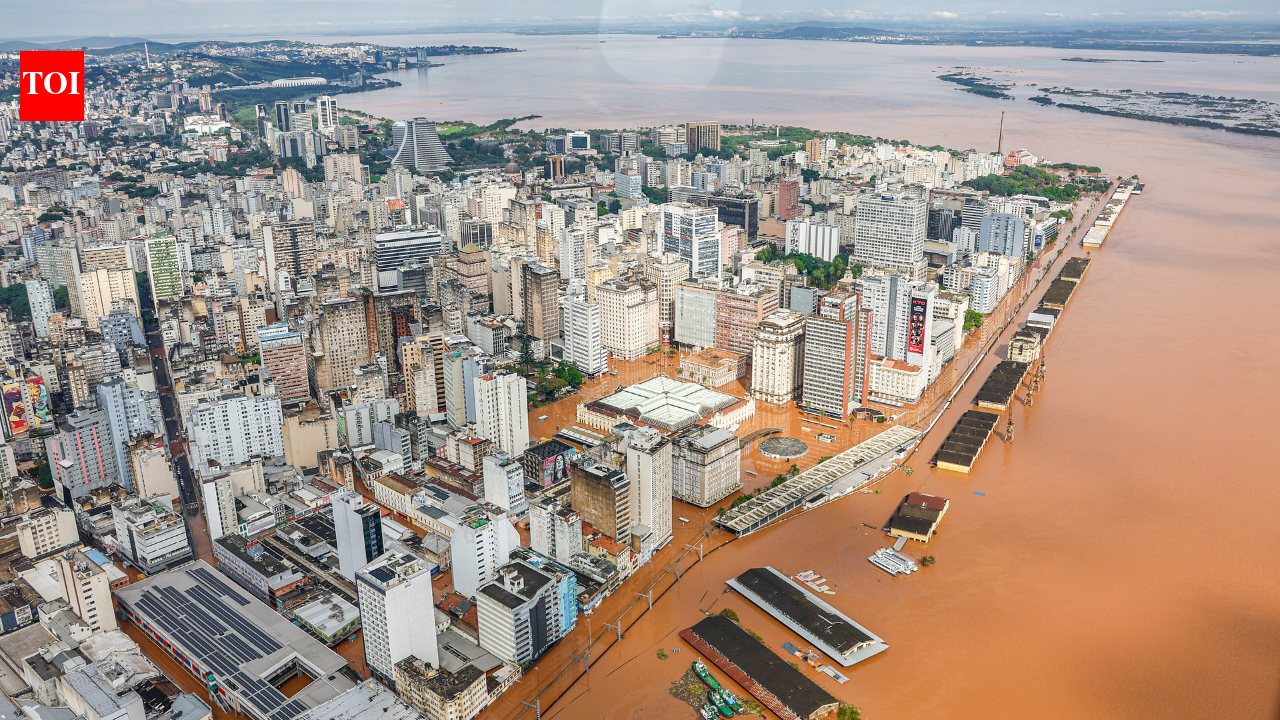
The recent flooding in Brazil's Rio Grande do Sul has led to extensive ecological consequences, with native plant cover diminishing by approximately 25%. As a result, the remnants of natural habitats are now more fragmented and isolated than ever, posing significant hurdles for wildlife mobility and ecosystem restoration. Utilizing satellite data can provide a swift evaluation to enhance conservation strategies in the aftermath of this disaster.
The recent flooding in Brazil's Rio Grande do Sul has led to extensive ecological consequences, with native plant cover diminishing by approximately 25%. As a result, the remnants of natural habitats are now more fragmented and isolated than ever, posing significant hurdles for wildlife mobility and ecosystem restoration. Utilizing satellite data can provide a swift evaluation to enhance conservation strategies in the aftermath of this disaster.