Around 1980, beaver activity reached Alaska’s treeless Arctic tundra; four decades on, the rodents had created more than 10,000 ponds, with changes visible from space
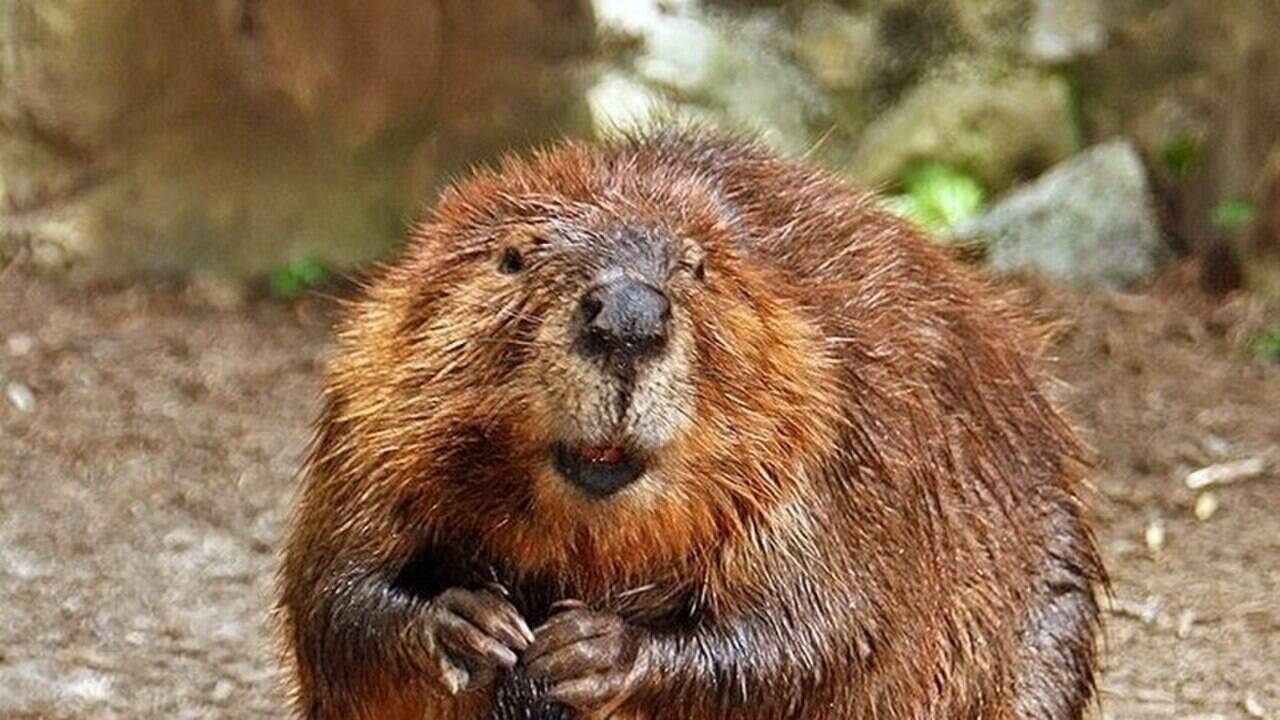
Beavers are rapidly expanding into Alaska's Arctic tundra, creating thousands of new ponds. This expansion is linked to warming temperatures and increased vegetation availability in the region. These beaver-engineered ponds are now affecting frozen soils and permafrost thaw. The melting permafrost releases greenhouse gases, impacting the global climate. This animal behavior demonstrates significant Arctic ecosystem changes due to climate shifts.
Beavers are rapidly expanding into Alaska's Arctic tundra, creating thousands of new ponds. This expansion is linked to warming temperatures and increased vegetation availability in the region. These beaver-engineered ponds are now affecting frozen soils and permafrost thaw. The melting permafrost releases greenhouse gases, impacting the global climate. This animal behavior demonstrates significant Arctic ecosystem changes due to climate shifts.