Darker frogs, resilient wolves, and radiation-eating fungi: The surprising wildlife thriving in the Chernobyl exclusion zone
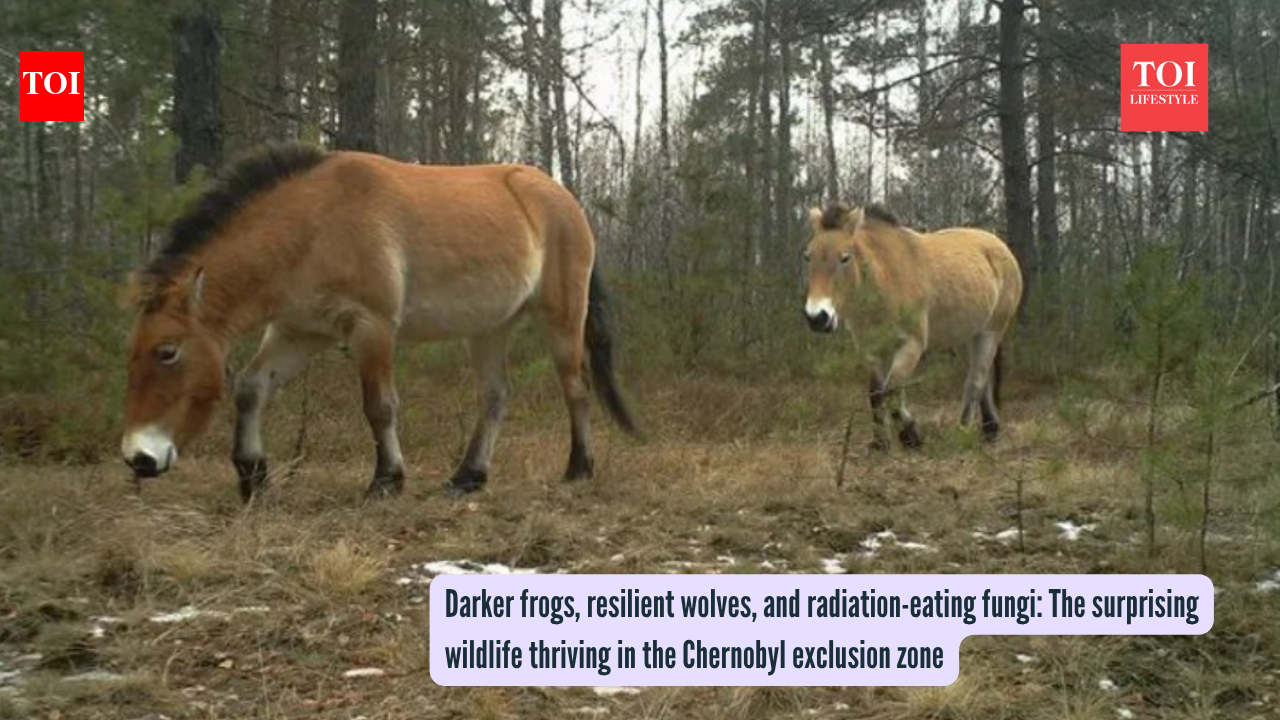
Decades after the Chernobyl disaster, the exclusion zone is transforming from a wasteland into a thriving wildlife sanctuary. The absence of human activity has allowed wolves, bears, bison, and rare birds to return and flourish, demonstrating nature's resilience. While some animals show adaptations to radiation, health costs persist, mirroring patterns seen at other nuclear sites.
Decades after the Chernobyl disaster, the exclusion zone is transforming from a wasteland into a thriving wildlife sanctuary. The absence of human activity has allowed wolves, bears, bison, and rare birds to return and flourish, demonstrating nature's resilience. While some animals show adaptations to radiation, health costs persist, mirroring patterns seen at other nuclear sites.