Europe's bitterling fish may be evolving against an invasive mussel, with more than 40 years of exposure linked to improved survival after infection
European bitterling fish show improved survival against invasive mussel larvae. Fish from areas with over forty years of exposure fared better. This suggests adaptive responses developed over prolonged periods of coexistence. While infection still impacts swimming, mortality rates are lower in long-exposed populations. The study highlights how invasive species can reshape ecological relationships over time.
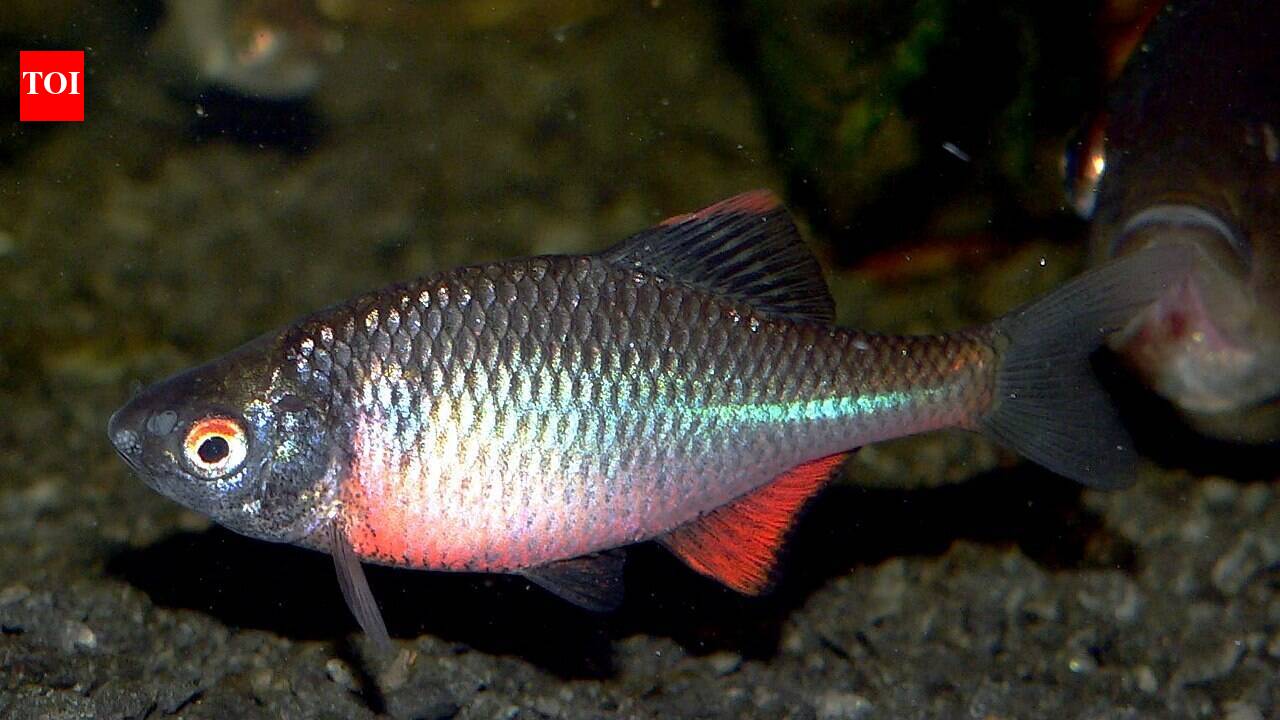
European bitterling fish show improved survival against invasive mussel larvae. Fish from areas with over forty years of exposure fared better. This suggests adaptive responses developed over prolonged periods of coexistence. While infection still impacts swimming, mortality rates are lower in long-exposed populations. The study highlights how invasive species can reshape ecological relationships over time.