First came the mosque, then the rise in Muslim population, followed by the locality’s renaming: How Harij’s ‘Jhapatpara’ became ‘Islampura’
Complaints have been raised over the renaming of a decades-old locality in Harij, Patan district. The area, located in Ward No. 4, was traditionally known as Jhapatpara, but residents allege that it has now been renamed ‘Islampura’. They claim that even official government documents now mention the locality as Islampura. Amid concerns over changing demographics, Hindu organisations recently submitted a memorandum to the Mamlatdar seeking action. When OpIndia visited the locality to investigate, more details emerged. Residents claimed that as the Muslim population in the area gradually increased and the demographic composition changed, the new name started gaining currency and eventually found its way into government records. Local Hindus are now demanding corrective action, while Hindu organisations have called for an inquiry. Families that have lived in Jhapatpara for 50 to 80 years told OpIndia that the locality has always been known by that name, and older government records also reflect Jhapatpara. One resident said, “Since the time of our forefathers, this area has been called Jhapatpara. But now the name has changed in official documents. If someone applies for a new Aadhaar card or gets documents updated, the address now mentions ‘Islampura’. We do not know how this happened.” Residents maintain that the locality has only one historical name, Jhapatpara. They say the name Islampura did not exist earlier and began to be used only over the last 10–12 years, coinciding with the increase in the Muslim population. Mosque constructed as demographics changed; locals question funding According to residents, in 2011, there were only 20–25 Muslim households in the locality, most of whom worked as daily wage labourers. However, a mosque was later constructed in the area, followed by the establishment of a madrasa. 'બહારથી આવેલા ફંડિંગથી આ મસ્જિદ બનાવી, અને મુસ્લિમ પરિવારો થઈ ગયા 25 થી 300.''આખા વિસ્તારમાં કોઈનું ઘર ના હોય એના કરતા અનેકગણી મોટી છે આ મસ્જિદ.''સ્થાનિક મુસ્લિમો 300 રૂપિયા માટે આખો દિવસ મજૂરી કરતા હતા, તો લાખો રૂપિયાની આ મસ્જિદ બની કઈ રીતે?'હારીજના ઝાપટપરામાં એક મસ્જિદથી… pic.twitter.com/UZw1EFIj1k— ઑપઇન્ડિયા (@OpIndia_G) July 11, 2026 Local Hindus have questioned the source of funding for the mosque. They argue that the Muslim families living there did not appear financially capable of collecting the large sums required to construct such a building. Residents and Hindu organisations suspect that external funding may have been used for the mosque’s construction. Following the construction of the mosque, the number of Muslim households reportedly increased steadily, with locals estimating that 200–300 Muslim families now reside in the area. They allege that as the population grew, Muslims first began referring to the locality among themselves as “Islampura”, after which the name gradually started appearing in official government records. Consequently, newer documents belonging even to Hindu residents now carry the name Islampura instead of Jhapatpara. Locals also claim that a large section of the current population consists of migrants from outside the state. Older documents and municipal records still mention ‘Jhapatpara’ OpIndia examined government documents shown by residents and found that records issued decades ago, including those belonging to elderly residents aged around 70–80 years, consistently mentioned the locality as Jhapatpara, with no reference to Islampura. However, documents issued or updated in recent years reportedly mention Islampura instead, replacing the older name. This pattern was observed across multiple residents’ documents. Interestingly, municipal records continue to officially refer to the locality as Jhapatpara, with no mention of Islampura. During the visit, OpIndia also spoke to a Muslim resident named Abid, who acknowledged that the locality’s original name is Jhapatpara but said it is now commonly known as Islampura. He stated that he did not know how the name change came about but believed the locality came to be called Islampura because a large number of Muslims now live there. "અહીંયા અમારા ઇસ્લામિક લોકો વધારે રહે છે એટલે અમે નામ ઈસ્લામપુરા કરી દીધું."એક સ્થાનિક મુસ્લિમે જ ઑપઈન્ડિયાના કેમેરા સામે જ ઇસ્લામિક માનસિકતાની ખોલી દીધી પોલ!આબિદ કલાલ નામના આ મુસ્લિમ વ્યક્તિએ ડેમોગ્રાફિક ચેન્જનું આખું ષડયંત્ર હિંદુઓ માટે સમજવું સરળ કરી દીધું…ઑપઇન્ડિયા પર… pic.twitter.com/mvRKVXdAk2— ઑપઇન્ડિયા (@OpIndia_G) July 11, 2026 Hindu organisations seek inquiry Local Hindu residents argue that even if Muslims informally refer to the locality by another name, it does not legally change the area’s official name, nor should such a name appear in government records. One resident further claimed that while only a few Muslim families lived in the locality earlier, their numbers have increased substantially over time, prompting many Hindu families to sell their homes and move away. He also demanded that the Disturbed Areas Act be impl
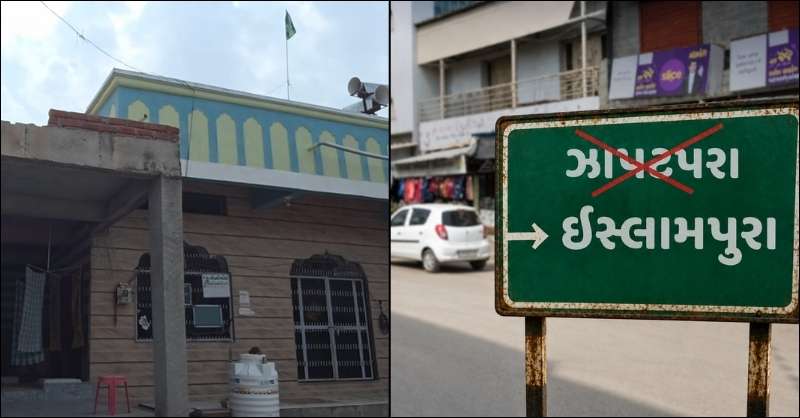
Complaints have been raised over the renaming of a decades-old locality in Harij, Patan district. The area, located in Ward No. 4, was traditionally known as Jhapatpara, but residents allege that it has now been renamed ‘Islampura’. They claim that even official government documents now mention the locality as Islampura. Amid concerns over changing demographics, Hindu organisations recently submitted a memorandum to the Mamlatdar seeking action.
When OpIndia visited the locality to investigate, more details emerged. Residents claimed that as the Muslim population in the area gradually increased and the demographic composition changed, the new name started gaining currency and eventually found its way into government records. Local Hindus are now demanding corrective action, while Hindu organisations have called for an inquiry.
Families that have lived in Jhapatpara for 50 to 80 years told OpIndia that the locality has always been known by that name, and older government records also reflect Jhapatpara.
One resident said, “Since the time of our forefathers, this area has been called Jhapatpara. But now the name has changed in official documents. If someone applies for a new Aadhaar card or gets documents updated, the address now mentions ‘Islampura’. We do not know how this happened.”
Residents maintain that the locality has only one historical name, Jhapatpara. They say the name Islampura did not exist earlier and began to be used only over the last 10–12 years, coinciding with the increase in the Muslim population.
Mosque constructed as demographics changed; locals question funding
According to residents, in 2011, there were only 20–25 Muslim households in the locality, most of whom worked as daily wage labourers. However, a mosque was later constructed in the area, followed by the establishment of a madrasa.
'બહારથી આવેલા ફંડિંગથી આ મસ્જિદ બનાવી, અને મુસ્લિમ પરિવારો થઈ ગયા 25 થી 300.''આખા વિસ્તારમાં કોઈનું ઘર ના હોય એના કરતા અનેકગણી મોટી છે આ મસ્જિદ.''સ્થાનિક મુસ્લિમો 300 રૂપિયા માટે આખો દિવસ મજૂરી કરતા હતા, તો લાખો રૂપિયાની આ મસ્જિદ બની કઈ રીતે?'હારીજના ઝાપટપરામાં એક મસ્જિદથી… pic.twitter.com/UZw1EFIj1k— ઑપઇન્ડિયા (@OpIndia_G) July 11, 2026
Local Hindus have questioned the source of funding for the mosque. They argue that the Muslim families living there did not appear financially capable of collecting the large sums required to construct such a building. Residents and Hindu organisations suspect that external funding may have been used for the mosque’s construction.
Following the construction of the mosque, the number of Muslim households reportedly increased steadily, with locals estimating that 200–300 Muslim families now reside in the area. They allege that as the population grew, Muslims first began referring to the locality among themselves as “Islampura”, after which the name gradually started appearing in official government records. Consequently, newer documents belonging even to Hindu residents now carry the name Islampura instead of Jhapatpara. Locals also claim that a large section of the current population consists of migrants from outside the state.
Older documents and municipal records still mention ‘Jhapatpara’
OpIndia examined government documents shown by residents and found that records issued decades ago, including those belonging to elderly residents aged around 70–80 years, consistently mentioned the locality as Jhapatpara, with no reference to Islampura.
However, documents issued or updated in recent years reportedly mention Islampura instead, replacing the older name. This pattern was observed across multiple residents’ documents.
Interestingly, municipal records continue to officially refer to the locality as Jhapatpara, with no mention of Islampura.
During the visit, OpIndia also spoke to a Muslim resident named Abid, who acknowledged that the locality’s original name is Jhapatpara but said it is now commonly known as Islampura. He stated that he did not know how the name change came about but believed the locality came to be called Islampura because a large number of Muslims now live there.
"અહીંયા અમારા ઇસ્લામિક લોકો વધારે રહે છે એટલે અમે નામ ઈસ્લામપુરા કરી દીધું."એક સ્થાનિક મુસ્લિમે જ ઑપઈન્ડિયાના કેમેરા સામે જ ઇસ્લામિક માનસિકતાની ખોલી દીધી પોલ!આબિદ કલાલ નામના આ મુસ્લિમ વ્યક્તિએ ડેમોગ્રાફિક ચેન્જનું આખું ષડયંત્ર હિંદુઓ માટે સમજવું સરળ કરી દીધું…ઑપઇન્ડિયા પર… pic.twitter.com/mvRKVXdAk2— ઑપઇન્ડિયા (@OpIndia_G) July 11, 2026
Hindu organisations seek inquiry
Local Hindu residents argue that even if Muslims informally refer to the locality by another name, it does not legally change the area’s official name, nor should such a name appear in government records.
One resident further claimed that while only a few Muslim families lived in the locality earlier, their numbers have increased substantially over time, prompting many Hindu families to sell their homes and move away. He also demanded that the Disturbed Areas Act be implemented in the locality.
The Vishwa Hindu Parishad (VHP) has demanded legal action over the matter. Harij town VHP minister Ravi Prajapati said that the organisation had submitted a memorandum to the Mamlatdar a week earlier seeking correction of all official documents so that the locality’s name is restored to Jhapatpara.
He further demanded strict action against any officials or residents who may have allegedly conspired to change the locality’s name in official records.