Gujarat HC rejects over 150 petitions by Waqf Boards seeking exemption from court fee, clarifies no petition will be heard if fee not paid
In a big decision, the Gujarat High Court has ruled that Waqf boards must pay court fees just like other religious institutions when filing cases. The court dismissed around 150 petitions filed by Waqf groups seeking exemption from paying court fees after a week of hearings. This is one of the largest mass rejections of Waqf cases. Payment of court fees mandatory for cases filed before Gujarat Waqf Tribunal: Gujarat High CourtRead more: https://t.co/shTzvzWJJZ pic.twitter.com/8TiIzUNPVC— Bar and Bench (@barandbench) December 18, 2025 It puts a stop to the old idea that Waqfs get special treatment in courts and tribunals, while temples and other religious places always had to pay fees. 150 Waqf petitions get dismissed Justice JC Doshi of the Gujarat High Court gave the order rejecting the pleas. The petitions came from Waqf boards wanting back their properties from encroachers, plus other benefits like profits from them. However, their petitions were not listed as they didn’t pay the required court fee. Groups like the Sunni Muslim Idgah Mosque Trust, Vadodara Saher Masjid Sabha Trust, and Sarkhej Roza Committee of Ahmedabad filed the pleas. They were challenging orders from the Gujarat State Waqf Tribunal saying that the court fees must be paid before any hearing on disputes. The High Court said these were real disputes between parties, needing a decision on rights and duties. So they counted as full-court fights, not just simple applications. The court clearly stated that applications under Section 83 of the Waqf Act are judicial proceedings. They are litigation, so the Gujarat Court Fees Act, 2004, applies to them. Therefore, it is mandatory to pay the court fees. High Court refuses to interfere with Waqf Tribunal orders The Gujarat High Court pointed out the Waqf Tribunal’s first order. It told them to set the right value for the case based on court fees and jurisdiction. Waqf groups didn’t challenge that order on time in a higher court. They only complained later, when the tribunal dismissed their cases for skipping fees. The High Court said you can’t throw out the second order just because fees weren’t paid on the first one. There was no big legal mistake, no lack of power, or error in law from the lower court. So all the petitions got dismissed. Court: Fees required, no escape just by calling it an ‘Application’ Waqf lawyers argued the Waqf Act doesn’t mention court fees, so applications under it don’t need them. The High Court did not accept this argument. The court said, Section 1(5) of the Gujarat Court Fees Act, 2004 states that fees apply in all courts and public offices unless another law specifically provides for court fees. The court also said that, as per Section 4 of the Gujarat Court Fees Act, no document can be filed, shown, or recorded in court without the right fees. Even the Public offices can’t take them. The Waqf Tribunal acts like a civil court with full powers to hear cases and enforce decisions. Calling something an “application” doesn’t make it different from a lawsuit if it decides rights and duties between parties, the court stated. That’s why court fees apply to Section 83 proceedings under the Waqf Act Years of Confusion on Waqf Fees ended For years, Waqf groups from small dargahs to big mosque boards thought they didn’t need to pay court fees in disputes. The old Waqf Act didn’t mention fees, so they skipped them. But now that’s over. The court has clarified that Muslim Waqf trusts must pay fees like other religious trusts and charities when they go to court for litigating cases. Ruling comes during National Waqf debate This decision comes at a time when the country is talking about Waqf administration. Parliament passed the Waqf (Amendment) Act, 2025, earlier this year to make Waqf land and property management better and more modern. Some praise it for transparency and strength, while others criticise it. Supporters say it brings fairness. Government sources believe the High Courts’ order is a step to equality under law and fixes old unfairness in courts. Deputy CM calls it historic Gujarat Deputy Chief Minister Harsh Ramesh Sanghvi called the decision historic. He said all religions are equal in India, and the court made sure everyone has equal rights. #WATCH | Ahmedabad: Gujarat Deputy CM Harsh Sanghavi says, "A historic decision has been made… The Waqf law, which the Congress introduced for political gain through vote-bank politics, contained provisions that exempted Waqf properties and tribunal cases from court fees. In… pic.twitter.com/C3KyQvRCS6— ANI (@ANI) December 17, 2025 He added, “The Waqf Act, which was introduced by Congress for vote bank politics. It lets Waqf properties and tribunal cases skip court fees. But temples, gurdwaras, and other religious places had to pay.”
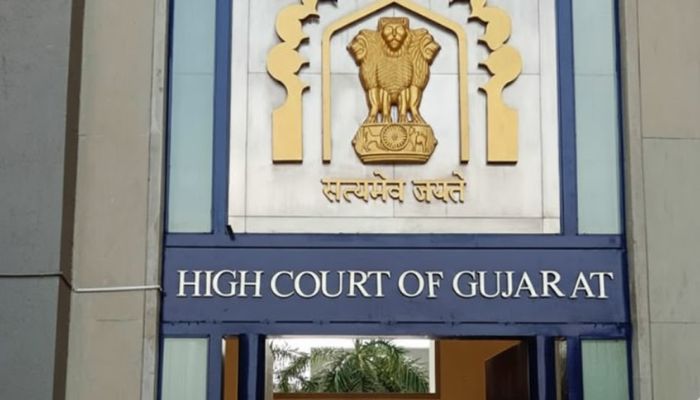

In a big decision, the Gujarat High Court has ruled that Waqf boards must pay court fees just like other religious institutions when filing cases. The court dismissed around 150 petitions filed by Waqf groups seeking exemption from paying court fees after a week of hearings. This is one of the largest mass rejections of Waqf cases.
Payment of court fees mandatory for cases filed before Gujarat Waqf Tribunal: Gujarat High Court
— Bar and Bench (@barandbench) December 18, 2025
Read more: https://t.co/shTzvzWJJZ pic.twitter.com/8TiIzUNPVC
It puts a stop to the old idea that Waqfs get special treatment in courts and tribunals, while temples and other religious places always had to pay fees.
150 Waqf petitions get dismissed
Justice JC Doshi of the Gujarat High Court gave the order rejecting the pleas. The petitions came from Waqf boards wanting back their properties from encroachers, plus other benefits like profits from them. However, their petitions were not listed as they didn’t pay the required court fee.
Groups like the Sunni Muslim Idgah Mosque Trust, Vadodara Saher Masjid Sabha Trust, and Sarkhej Roza Committee of Ahmedabad filed the pleas. They were challenging orders from the Gujarat State Waqf Tribunal saying that the court fees must be paid before any hearing on disputes.
The High Court said these were real disputes between parties, needing a decision on rights and duties. So they counted as full-court fights, not just simple applications.
The court clearly stated that applications under Section 83 of the Waqf Act are judicial proceedings. They are litigation, so the Gujarat Court Fees Act, 2004, applies to them. Therefore, it is mandatory to pay the court fees.
High Court refuses to interfere with Waqf Tribunal orders
The Gujarat High Court pointed out the Waqf Tribunal’s first order. It told them to set the right value for the case based on court fees and jurisdiction. Waqf groups didn’t challenge that order on time in a higher court.
They only complained later, when the tribunal dismissed their cases for skipping fees. The High Court said you can’t throw out the second order just because fees weren’t paid on the first one. There was no big legal mistake, no lack of power, or error in law from the lower court. So all the petitions got dismissed.
Court: Fees required, no escape just by calling it an ‘Application’
Waqf lawyers argued the Waqf Act doesn’t mention court fees, so applications under it don’t need them. The High Court did not accept this argument. The court said, Section 1(5) of the Gujarat Court Fees Act, 2004 states that fees apply in all courts and public offices unless another law specifically provides for court fees.
The court also said that, as per Section 4 of the Gujarat Court Fees Act, no document can be filed, shown, or recorded in court without the right fees. Even the Public offices can’t take them. The Waqf Tribunal acts like a civil court with full powers to hear cases and enforce decisions. Calling something an “application” doesn’t make it different from a lawsuit if it decides rights and duties between parties, the court stated. That’s why court fees apply to Section 83 proceedings under the Waqf Act
Years of Confusion on Waqf Fees ended
For years, Waqf groups from small dargahs to big mosque boards thought they didn’t need to pay court fees in disputes. The old Waqf Act didn’t mention fees, so they skipped them. But now that’s over.
The court has clarified that Muslim Waqf trusts must pay fees like other religious trusts and charities when they go to court for litigating cases.
Ruling comes during National Waqf debate
This decision comes at a time when the country is talking about Waqf administration. Parliament passed the Waqf (Amendment) Act, 2025, earlier this year to make Waqf land and property management better and more modern. Some praise it for transparency and strength, while others criticise it.
Supporters say it brings fairness. Government sources believe the High Courts’ order is a step to equality under law and fixes old unfairness in courts.
Deputy CM calls it historic
Gujarat Deputy Chief Minister Harsh Ramesh Sanghvi called the decision historic. He said all religions are equal in India, and the court made sure everyone has equal rights.
#WATCH | Ahmedabad: Gujarat Deputy CM Harsh Sanghavi says, "A historic decision has been made… The Waqf law, which the Congress introduced for political gain through vote-bank politics, contained provisions that exempted Waqf properties and tribunal cases from court fees. In… pic.twitter.com/C3KyQvRCS6
— ANI (@ANI) December 17, 2025
He added, “The Waqf Act, which was introduced by Congress for vote bank politics. It lets Waqf properties and tribunal cases skip court fees. But temples, gurdwaras, and other religious places had to pay.”