“I look at Sangh with a sense of belongingness”: What Ambedkar said after RSS visit in Satara and his lesser-known association with the organisation
14th January marks the birth anniversary of Bharat Ratna Dr Bhimrao Ramji Ambedkar, commonly known as BR Ambedkar, who is widely acknowledged as the chief architect of the Indian Constitution. His efforts towards nation-building are deeply motivating. His life and work continue to inspire generations to build a just and progressive society,” Prime Minister Narendra Modi wrote on the occasion. Tributes to Dr. Babasaheb Ambedkar on his birth anniversary. His efforts towards nation building are deeply motivating. His life and work continue to inspire generations to build a just and progressive society. pic.twitter.com/MWHUTlpf9Y— Narendra Modi (@narendramodi) April 14, 2026 Interestingly, while certain aspects of Ambedkar’s life have been excessively publicised, there are numerous notable occurrences associated with him that remain unknown to many, either due to deliberate concealment for political reasons or other factors. A significant incident pertained to his interactions with the country’s largest voluntary outfit, Rashtriya Swayamsevak Sangh (RSS), which held its centenary celebrations last October and the event was also graced by PM Modi. A document recently revealed that Ambedkar visited Karad in the Satara district on 2nd January 1940. He went to the Sangh Shakha (local unit) there and addressed the swayamsevaks. “Even though there are differences in some matters, I look at Sangh with affection or belongingness,” he expressed. The news was covered in the Kesari, a Marathi newspaper located in Pune, on 9th January of that year. It was also published in the Vidarbha chapter of the Vishwa Samvad Kendra (VSK) of the RSS in 2025. Image via Arise Bharat On 2nd January 2025, the Lok Kalyan Mandal Trust held an ideological gathering at “Shri Bhavani Sangh Sthan” named the “Bandhutva Parishad” in remembrance of the momentous development. The relationship between the two is also explained in author Dattopant Thengadi’s book, “Dr Ambedkar and the Journey of Social Revolution.” He mentioned, “Dr Ambedkar was fully aware of Sangh. Its volunteers were in constant contact with him. He used to discuss with them. He was also informed that the Sangh is an all-India organisation of Hindus. He knew it was different than other Hindu-oriented parties or organisations. He only had a doubt in his mind about the pace of Sangh’s growth. In this view, Dr Ambedkar and RSS need to be analysed.” The eighth chapter commenced with the observation. Dattopant Thengadi asserted that Dr Keshav Baliram Hedgewar, who established RSS, demonstrated the ideal of a caste-free, socially equitable society. He explicitly declared that a system that has not yet been embraced by anyone can establish social equality grounded in psychology. Ambedkar shared his belief that peace among people is a prerequisite for achieving social equality, reported Organiser. These exemplifies the similar outlook of the two towering stalwarts who aspired for a progressive India. Furthermore, this is not the earliest recorded instance of Ambedkar’s attendance at the Hindu group’s programs. “Aamche Saheb” featured previous such instances regarding an RSS camp in 1939 on pages 25 and 53, according to Arise Bharat. The book is a collection of memories and is written by Balasaheb Salunke, a former member of parliament and close friend of Ambedkar. Ambedkar was joined by Salunke, who had no connections with the RSS, on the trip. The book provides in-depth details of the exchanges between the duo and was put together by Salunke’s son, Kashyap Salunke along with Bhanudas Gaikwad. Image via Arise Bharat “Dr Babasaheb Ambedkar and Dr. Hedgewar (founder of RSS) met at Bhausaheb Gadkari’s home in Pune. Sri Bhausaheb Abhyankar took all of us (including Balasaheb Salunke) to the summer camp. Dr. Ambedkar addressed the swayamsevaks on military discipline and organisation,” read the last paragraph of page 25. “I had the fortune of meeting two great individuals who were dedicated to the upliftment of the depressed classes, Pujya Babasaheb Ambedkar and Dr Hedgewar, the founder of the Rashtriya Swayamsevak Sangh, at Bhausaheb Gadkari’s residence (Pratapgarh) on 12th May,” Salunke highlighted on page 53. Image via Arise Bharat “There were accusations of RSS being anti-Dalit and misinformation was spread about Dr Babasaheb Ambedkar and RSS. But now, a new document about them has emerged, which enlightens the relationship between the two” the media wing of the RSS had emphasised in relation to Ambedkar’s arrival at Sangh Shakha. It pointed out that the RSS “faced a number of challenges in its journey so far and many accusations were levelled against it, but it proved all these charges wrong and reaffirmed its identity as a social organisation.” MK Gandhi had a similar experience with RSS The Vishwa Samvad Kendra remarked that the contention that Sangh is only for Brahmins has been refuted. It stated that when Mohandas Karamc
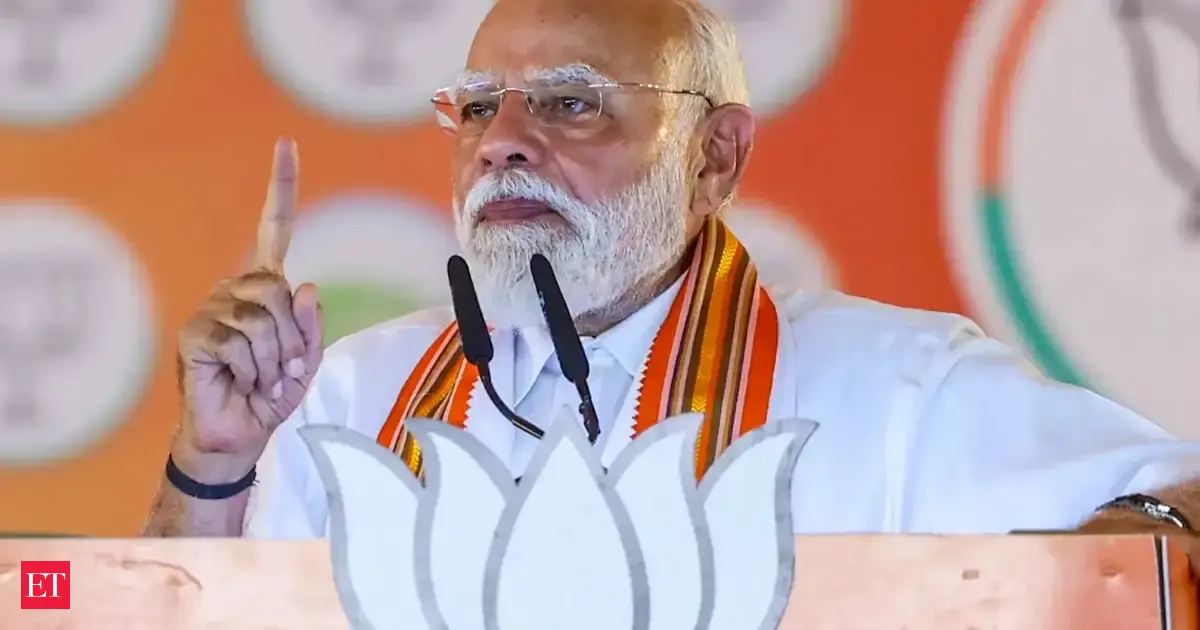
14th January marks the birth anniversary of Bharat Ratna Dr Bhimrao Ramji Ambedkar, commonly known as BR Ambedkar, who is widely acknowledged as the chief architect of the Indian Constitution. His efforts towards nation-building are deeply motivating. His life and work continue to inspire generations to build a just and progressive society,” Prime Minister Narendra Modi wrote on the occasion.
Tributes to Dr. Babasaheb Ambedkar on his birth anniversary. His efforts towards nation building are deeply motivating. His life and work continue to inspire generations to build a just and progressive society. pic.twitter.com/MWHUTlpf9Y— Narendra Modi (@narendramodi) April 14, 2026
Interestingly, while certain aspects of Ambedkar’s life have been excessively publicised, there are numerous notable occurrences associated with him that remain unknown to many, either due to deliberate concealment for political reasons or other factors.
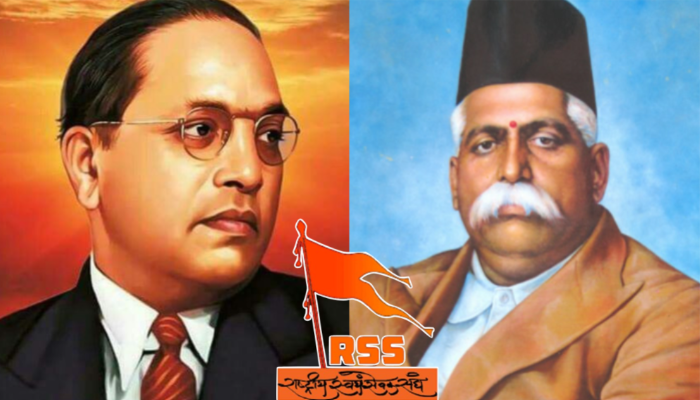
A significant incident pertained to his interactions with the country’s largest voluntary outfit, Rashtriya Swayamsevak Sangh (RSS), which held its centenary celebrations last October and the event was also graced by PM Modi. A document recently revealed that Ambedkar visited Karad in the Satara district on 2nd January 1940. He went to the Sangh Shakha (local unit) there and addressed the swayamsevaks.
“Even though there are differences in some matters, I look at Sangh with affection or belongingness,” he expressed. The news was covered in the Kesari, a Marathi newspaper located in Pune, on 9th January of that year. It was also published in the Vidarbha chapter of the Vishwa Samvad Kendra (VSK) of the RSS in 2025.
Image via Arise Bharat
On 2nd January 2025, the Lok Kalyan Mandal Trust held an ideological gathering at “Shri Bhavani Sangh Sthan” named the “Bandhutva Parishad” in remembrance of the momentous development.
The relationship between the two is also explained in author Dattopant Thengadi’s book, “Dr Ambedkar and the Journey of Social Revolution.” He mentioned, “Dr Ambedkar was fully aware of Sangh. Its volunteers were in constant contact with him. He used to discuss with them. He was also informed that the Sangh is an all-India organisation of Hindus. He knew it was different than other Hindu-oriented parties or organisations. He only had a doubt in his mind about the pace of Sangh’s growth. In this view, Dr Ambedkar and RSS need to be analysed.” The eighth chapter commenced with the observation.
Dattopant Thengadi asserted that Dr Keshav Baliram Hedgewar, who established RSS, demonstrated the ideal of a caste-free, socially equitable society. He explicitly declared that a system that has not yet been embraced by anyone can establish social equality grounded in psychology. Ambedkar shared his belief that peace among people is a prerequisite for achieving social equality, reported Organiser. These exemplifies the similar outlook of the two towering stalwarts who aspired for a progressive India.
Furthermore, this is not the earliest recorded instance of Ambedkar’s attendance at the Hindu group’s programs. “Aamche Saheb” featured previous such instances regarding an RSS camp in 1939 on pages 25 and 53, according to Arise Bharat. The book is a collection of memories and is written by Balasaheb Salunke, a former member of parliament and close friend of Ambedkar.
Ambedkar was joined by Salunke, who had no connections with the RSS, on the trip. The book provides in-depth details of the exchanges between the duo and was put together by Salunke’s son, Kashyap Salunke along with Bhanudas Gaikwad.
Image via Arise Bharat
“Dr Babasaheb Ambedkar and Dr. Hedgewar (founder of RSS) met at Bhausaheb Gadkari’s home in Pune. Sri Bhausaheb Abhyankar took all of us (including Balasaheb Salunke) to the summer camp. Dr. Ambedkar addressed the swayamsevaks on military discipline and organisation,” read the last paragraph of page 25.
“I had the fortune of meeting two great individuals who were dedicated to the upliftment of the depressed classes, Pujya Babasaheb Ambedkar and Dr Hedgewar, the founder of the Rashtriya Swayamsevak Sangh, at Bhausaheb Gadkari’s residence (Pratapgarh) on 12th May,” Salunke highlighted on page 53.
Image via Arise Bharat
“There were accusations of RSS being anti-Dalit and misinformation was spread about Dr Babasaheb Ambedkar and RSS. But now, a new document about them has emerged, which enlightens the relationship between the two” the media wing of the RSS had emphasised in relation to Ambedkar’s arrival at Sangh Shakha.
It pointed out that the RSS “faced a number of challenges in its journey so far and many accusations were levelled against it, but it proved all these charges wrong and reaffirmed its identity as a social organisation.”
MK Gandhi had a similar experience with RSS
The Vishwa Samvad Kendra remarked that the contention that Sangh is only for Brahmins has been refuted. It stated that when Mohandas Karamchand Gandhi went to the RSS camp in Wardha of Maharashtra, in 1934, he noted that it had members from a variety of castes and faiths.
“He experienced first-hand that no swayamsevak in the camp was interested in knowing his own caste or that of other swayamsevaks. There was only one feeling in everyone’s mind – that we were all Hindus. That’s why, the volunteers carried out their daily activity spontaneously. Gandhi was very surprised to see this. The next day, he held a meeting with (RSS founder) Dr Hedgewar, where he congratulated the latter for the successful implementation of the programme to eradicate untouchability,” it outlined.
Additionally, the VSK denied the complaints that RSS failed to recognise the national flag and raise it on 15th August and 26th January. However, it was disclosed that Hedgewar participated in the freedom movement through “Jungle Satyagraha” while working for the Indian National Congress after which the detractors and opponents were forced to believe.