In 1799, engineer pierre-francois bouchard discovered the Rosetta Stone while building a fort in Egypt
A chance discovery by French soldiers in Egypt in 1799 unearthed a stone block bearing inscriptions in three ancient scripts. This seemingly ordinary piece of military debris, later known as the Rosetta Stone, proved instrumental in deciphering Egyptian hieroglyphs. Its trilingual text unlocked the secrets of a lost civilization, transforming Egyptology from speculation into a rigorous academic discipline.
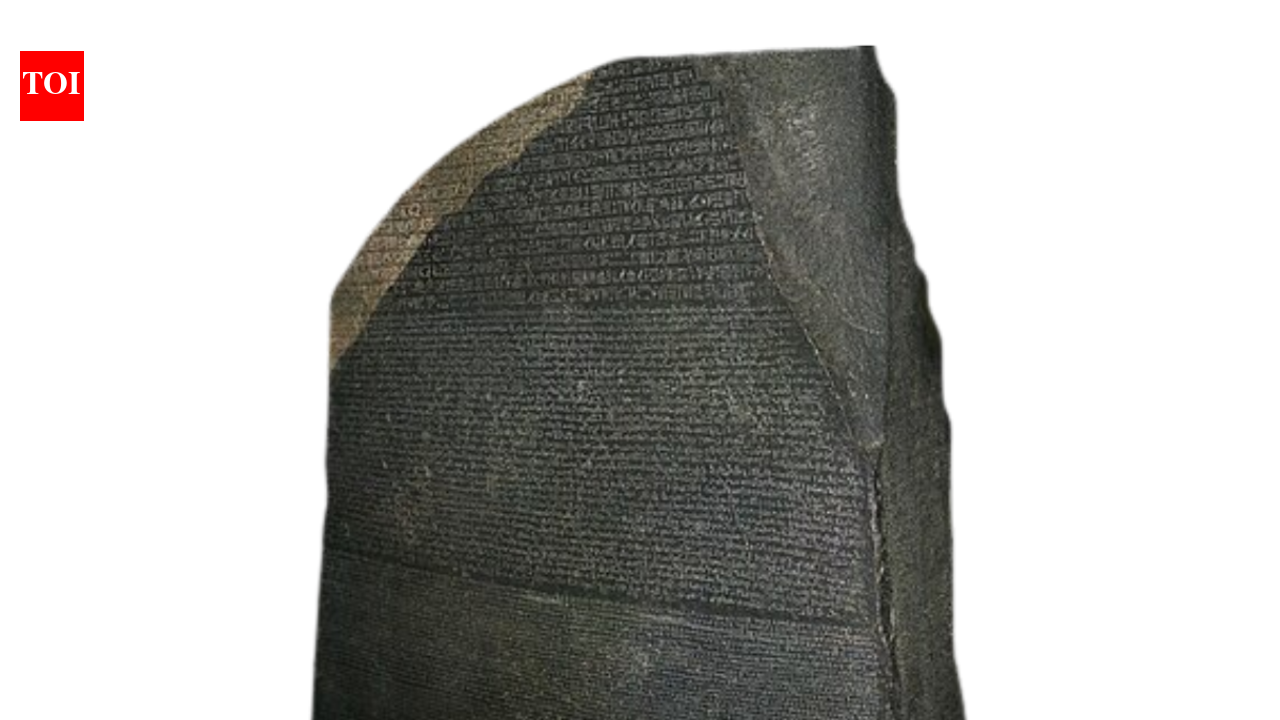
A chance discovery by French soldiers in Egypt in 1799 unearthed a stone block bearing inscriptions in three ancient scripts. This seemingly ordinary piece of military debris, later known as the Rosetta Stone, proved instrumental in deciphering Egyptian hieroglyphs. Its trilingual text unlocked the secrets of a lost civilization, transforming Egyptology from speculation into a rigorous academic discipline.