In 1851, New York released house sparrows to eat caterpillars damaging city trees; within 50 years, the birds had colonised nearly the entire continental US
House sparrows were introduced to Brooklyn in 1851 to control insect pests. These birds rapidly spread across North America, adapting to various environments. Their adaptability allowed them to nest in human-made structures, aiding their expansion. This successful introduction created new problems by displacing native bird species. The house sparrow's story highlights the ecological impact of introduced species.
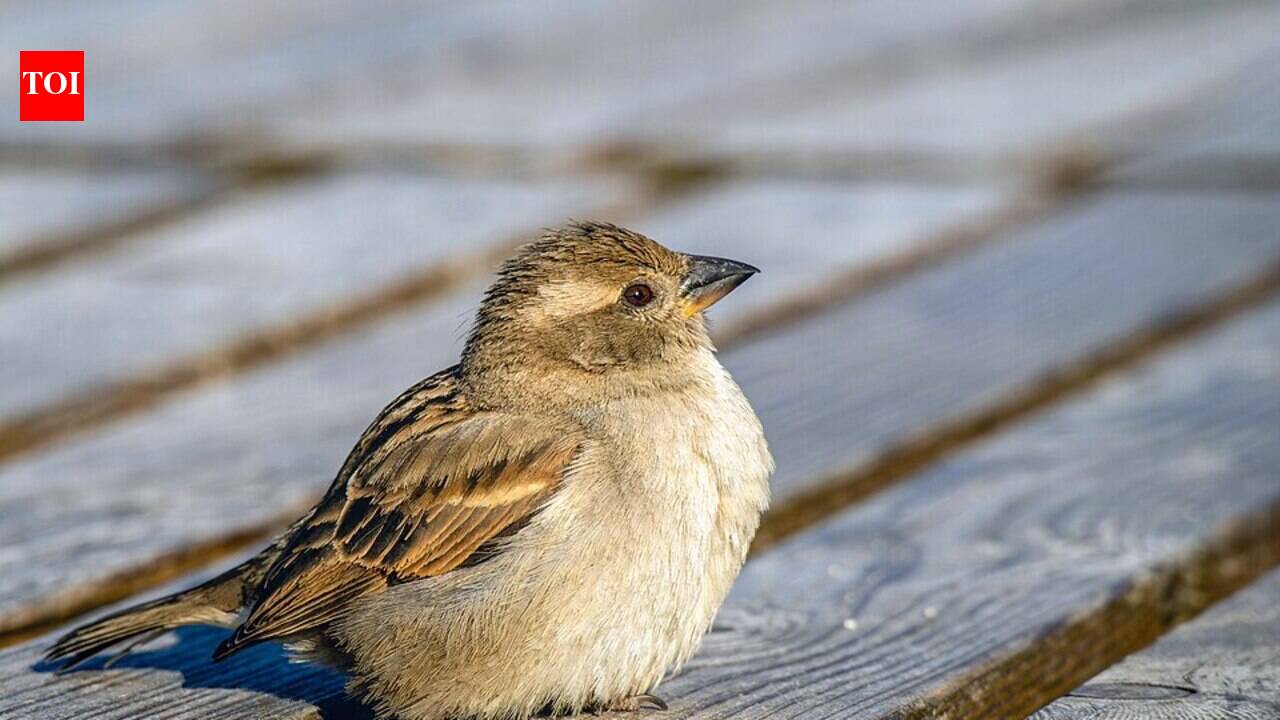
House sparrows were introduced to Brooklyn in 1851 to control insect pests. These birds rapidly spread across North America, adapting to various environments. Their adaptability allowed them to nest in human-made structures, aiding their expansion. This successful introduction created new problems by displacing native bird species. The house sparrow's story highlights the ecological impact of introduced species.