In 1868, a railway excavation in France exposed skeletons that changed what we know about Europe's first modern humans
In 1868, French railroad workers unearthed a prehistoric burial site near Les Eyzies, revealing remarkably preserved skeletons. These "Cro-Magnon" remains, adorned with artefacts, challenged prevailing views of ancient humans as ape-like. Advanced scans later showed their brains possessed distinct structures, indicating complex cognitive abilities and a compassionate society that cared for its injured and ill members.
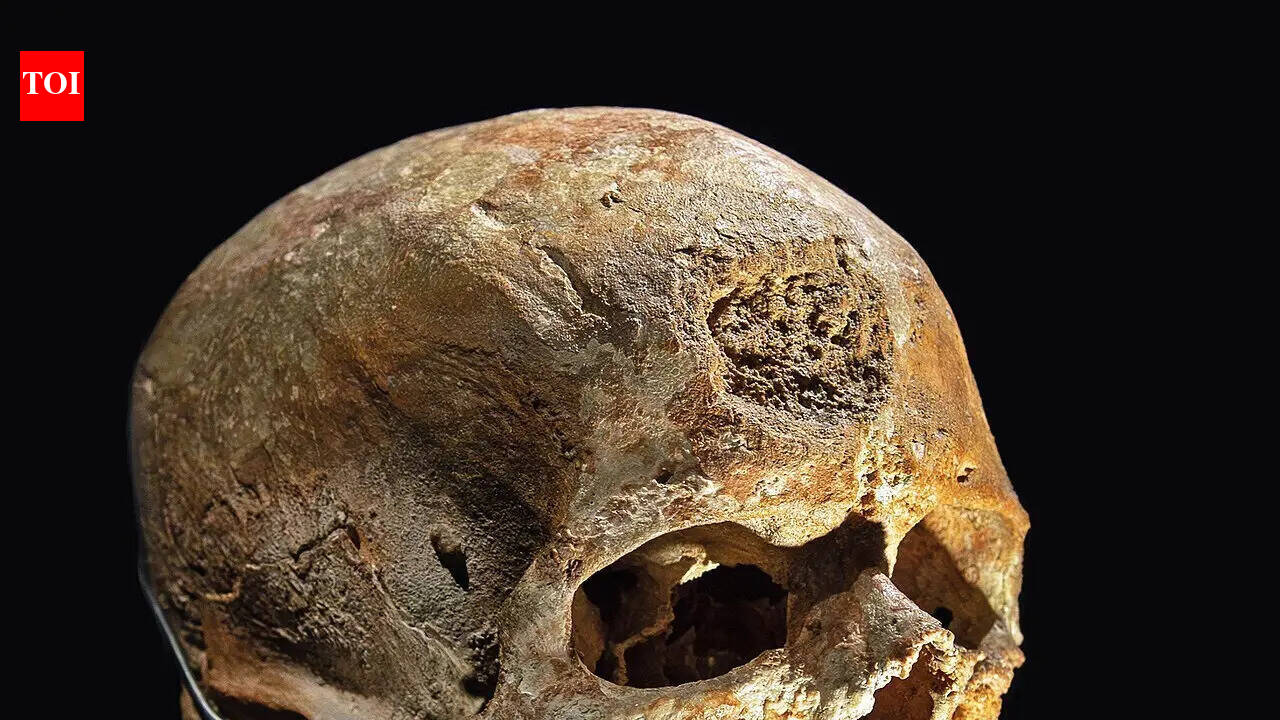
In 1868, French railroad workers unearthed a prehistoric burial site near Les Eyzies, revealing remarkably preserved skeletons. These "Cro-Magnon" remains, adorned with artefacts, challenged prevailing views of ancient humans as ape-like. Advanced scans later showed their brains possessed distinct structures, indicating complex cognitive abilities and a compassionate society that cared for its injured and ill members.