In 1935, Australia introduced 102 cane toads to save sugarcane crops, but the plan backfired spectacularly, turning them into one of the country’s worst invasive species
In 1935, Australia introduced cane toads in an attempt to control the sugarcane beetle population. However, these toads not only failed in their primary role but also rapidly multiplied throughout the continent. Their toxic nature has been detrimental to native wildlife, severely disrupting local ecosystems. Currently, Australia focuses on managing these toads rather than pursuing eradication, highlighting the risks associated with ecological interventions.
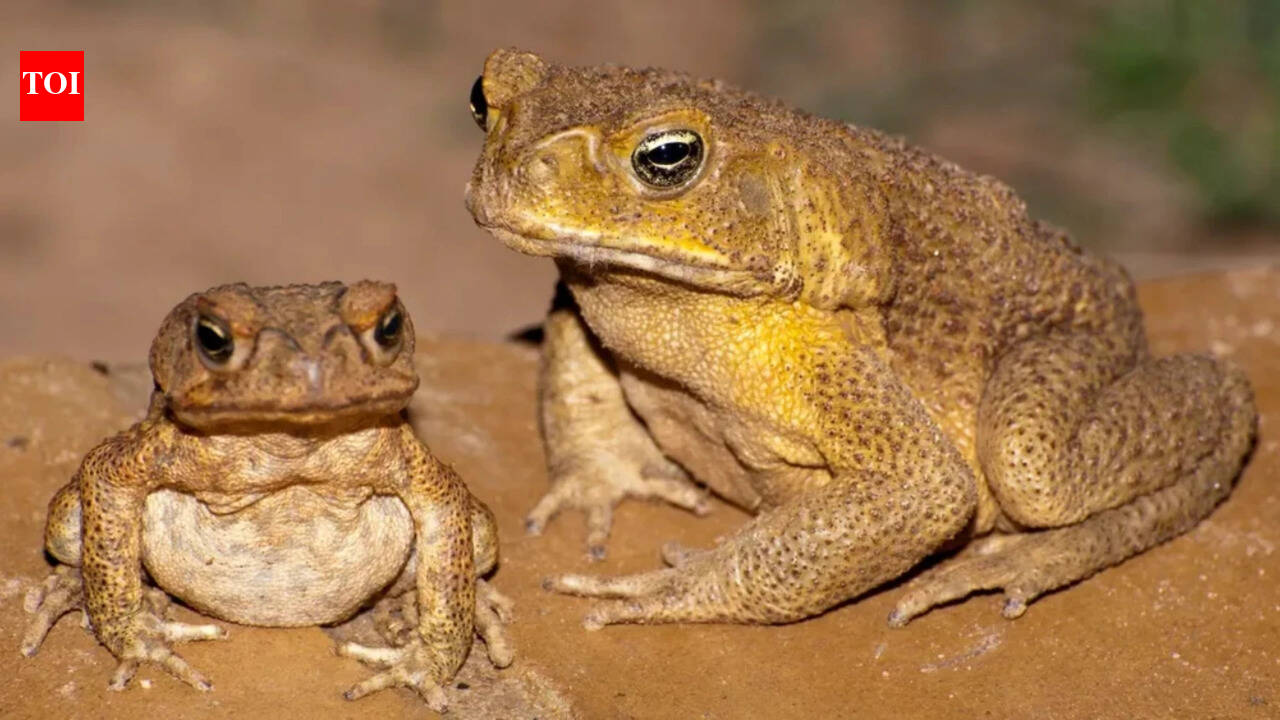
In 1935, Australia introduced cane toads in an attempt to control the sugarcane beetle population. However, these toads not only failed in their primary role but also rapidly multiplied throughout the continent. Their toxic nature has been detrimental to native wildlife, severely disrupting local ecosystems. Currently, Australia focuses on managing these toads rather than pursuing eradication, highlighting the risks associated with ecological interventions.