In 1946, an Audubon ornithologist travelled 26,000 miles searching for the unknown nesting ground of America's last 15 migratory whooping cranes; their wild population now approaches 700
The whooping crane faced extinction with only fifteen birds remaining in 1941. Ornithologist Robert Porter Allen embarked on a mission to find their unknown nesting grounds. His extensive research and aerial surveys eventually located the birds in Canada's remote Northwest Territories. Decades of conservation work, including habitat protection and captive breeding programs, helped rebuild the population. Today, the species has recovered significantly, showcasing a remarkable wildlife conservation success story.
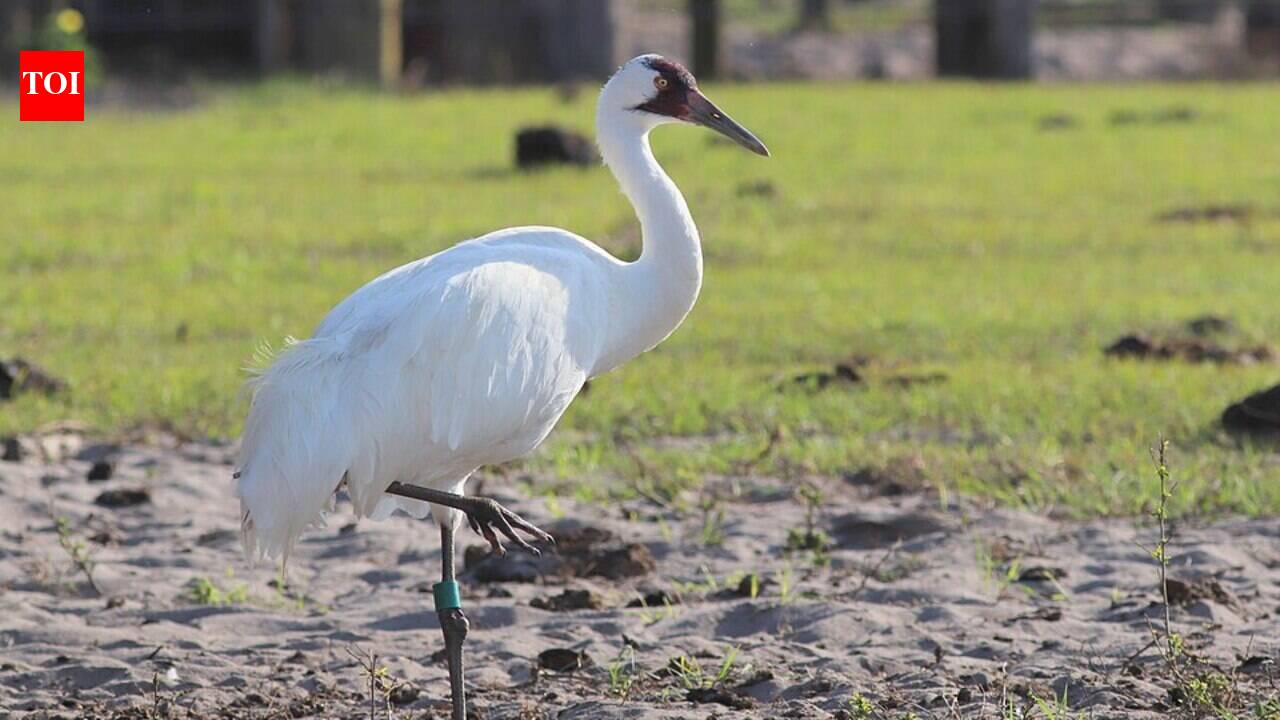
The whooping crane faced extinction with only fifteen birds remaining in 1941. Ornithologist Robert Porter Allen embarked on a mission to find their unknown nesting grounds. His extensive research and aerial surveys eventually located the birds in Canada's remote Northwest Territories. Decades of conservation work, including habitat protection and captive breeding programs, helped rebuild the population. Today, the species has recovered significantly, showcasing a remarkable wildlife conservation success story.