In 1976, an excavation in Tanzania unearthed ancient footprints that changed what we know about how we walk
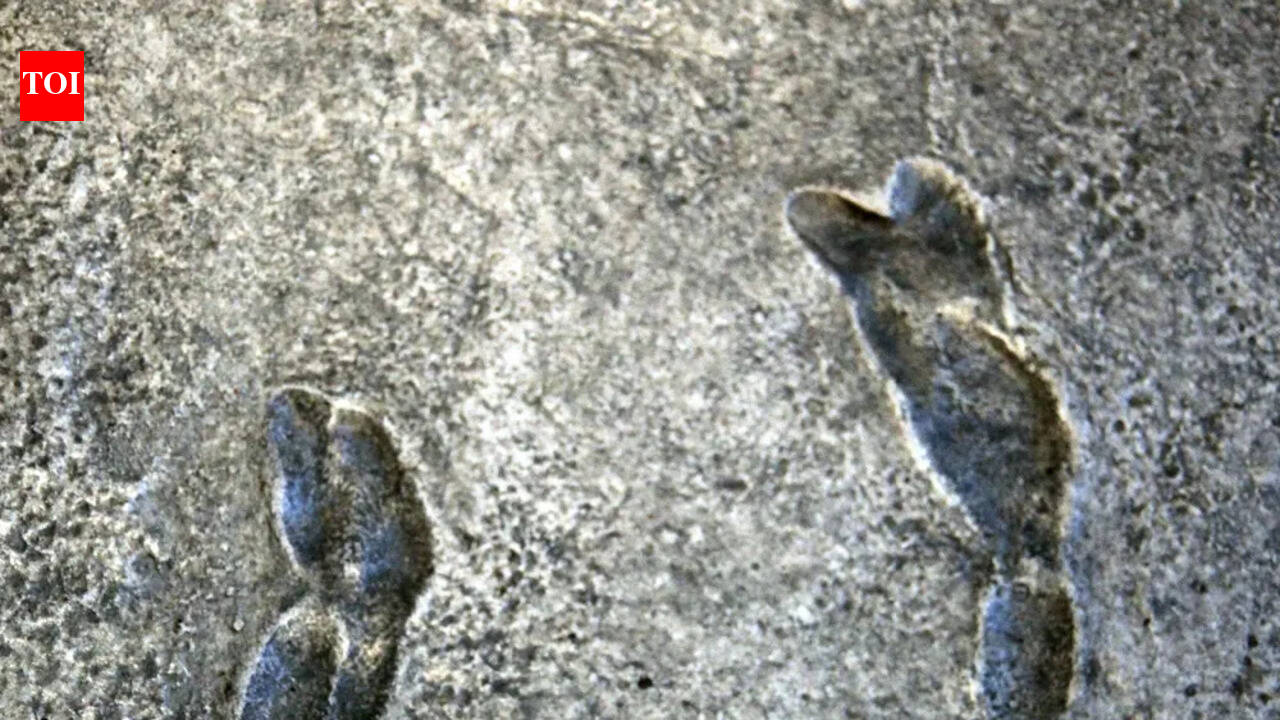
A remarkable discovery in Tanzania's Laetoli region, dating back 3.6 million years, has changed our understanding of human evolution. Fossilised footprints, preserved by volcanic ash, provide the oldest direct evidence of upright walking, revealing how early hominins like Australopithecus afarensis moved across the ancient savanna. This find settled debates about our ancestors' locomotion, showcasing an efficient, stable gait.
A remarkable discovery in Tanzania's Laetoli region, dating back 3.6 million years, has changed our understanding of human evolution. Fossilised footprints, preserved by volcanic ash, provide the oldest direct evidence of upright walking, revealing how early hominins like Australopithecus afarensis moved across the ancient savanna. This find settled debates about our ancestors' locomotion, showcasing an efficient, stable gait.