In 1987, doctors observed wrinkle changes in eye patients, marking Botox’s entry into cosmetic use
Botulinum toxin type A, initially a medical treatment for eye disorders in the 1980s, unexpectedly revealed cosmetic benefits. Ophthalmologists observed reduced facial wrinkles in patients treated for conditions like strabismus. This accidental discovery in 1987 led to formal research, paving the way for its eventual FDA approval for aesthetic use in 2002, transforming its application from therapy to beauty.
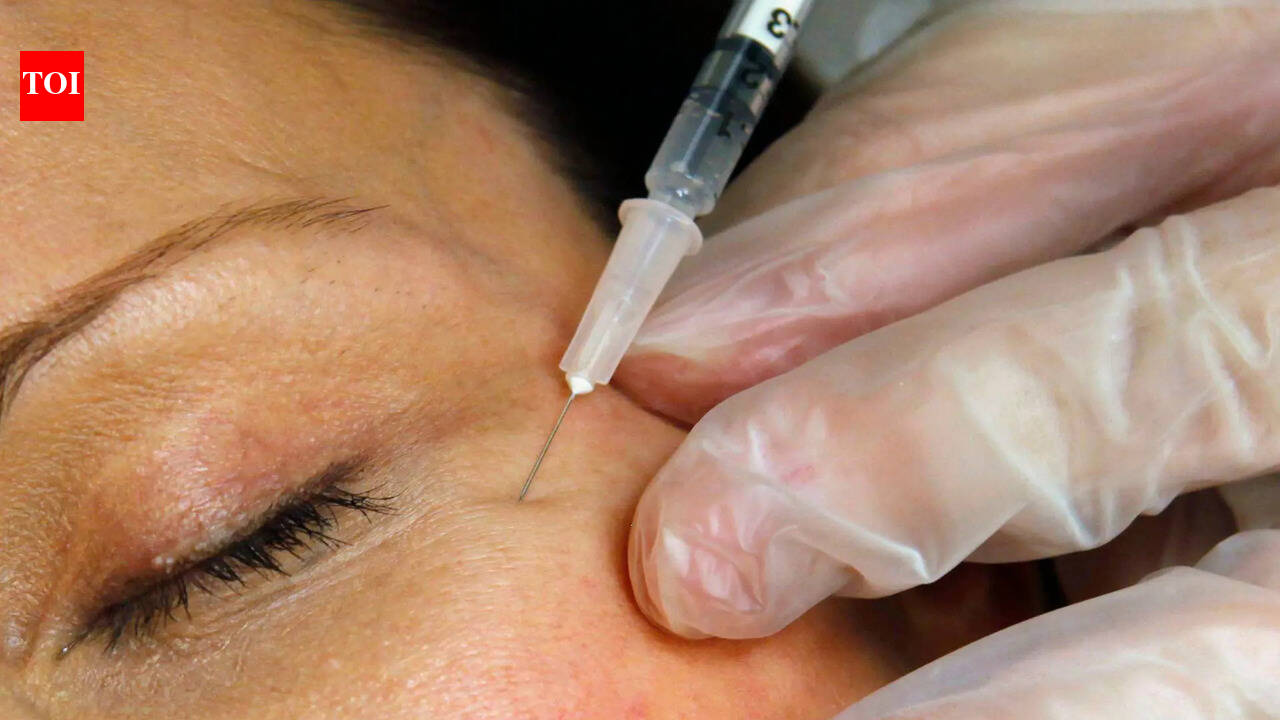
Botulinum toxin type A, initially a medical treatment for eye disorders in the 1980s, unexpectedly revealed cosmetic benefits. Ophthalmologists observed reduced facial wrinkles in patients treated for conditions like strabismus. This accidental discovery in 1987 led to formal research, paving the way for its eventual FDA approval for aesthetic use in 2002, transforming its application from therapy to beauty.