In 1987, the United States decided to capture every remaining wild California condor after lead poisoning, habitat loss, and poaching left just 27 birds alive; today, hundreds once again soar across western skies
Once on the brink of extinction, the majestic California condor's survival hinged on a daring rescue. Capturing the last wild birds in 1987, conservationists discovered that lead poisoning from ammunition fragments in carcasses was the primary killer. Despite breeding successes, the toxin persisted, necessitating strict ammunition regulations. This intervention, though intensive, has allowed these magnificent birds to once again grace western skies, showcasing the power of identifying and addressing environmental threats.
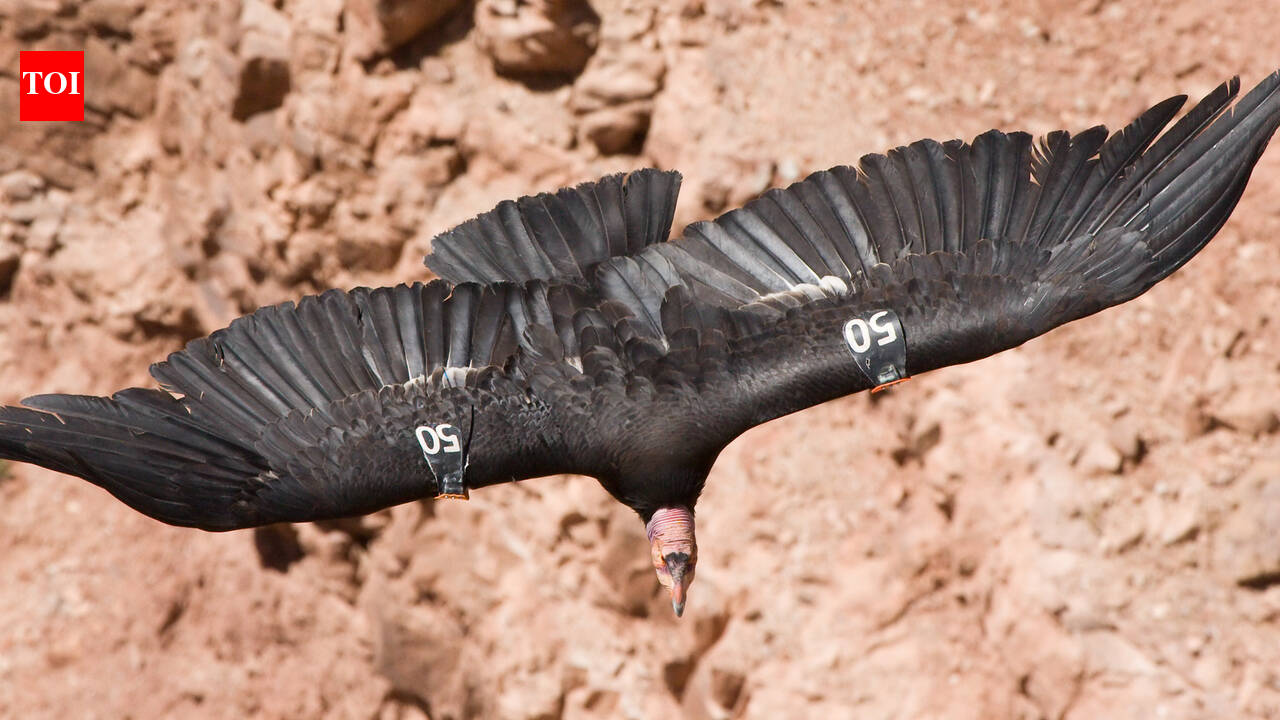
Once on the brink of extinction, the majestic California condor's survival hinged on a daring rescue. Capturing the last wild birds in 1987, conservationists discovered that lead poisoning from ammunition fragments in carcasses was the primary killer. Despite breeding successes, the toxin persisted, necessitating strict ammunition regulations. This intervention, though intensive, has allowed these magnificent birds to once again grace western skies, showcasing the power of identifying and addressing environmental threats.