In 1997, conservationists launched a plan to kill every feral goat on the Galápagos Islands; by 2006, they had eliminated more than 140,000 of them, and vegetation and birds returned
Galápagos conservationists undertook a massive project, removing over 140,000 feral goats to protect its unique ecosystem. Employing innovative techniques like 'Judas goats,' the US$10.5 million effort, Project Isabela, proved large-scale island restoration is feasible. This success has revitalized native species and plant life, demonstrating that even vast islands can be reclaimed for nature, though ongoing challenges like reintroduction and financing persist.
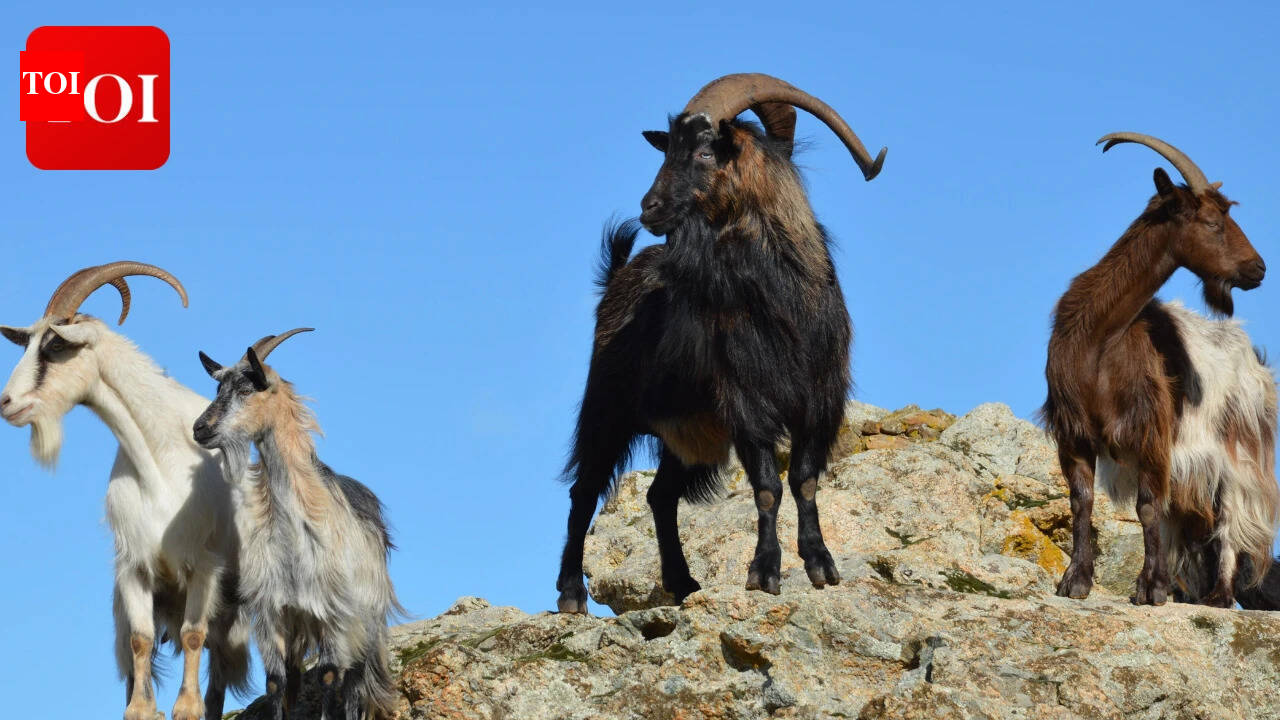
Galápagos conservationists undertook a massive project, removing over 140,000 feral goats to protect its unique ecosystem. Employing innovative techniques like 'Judas goats,' the US$10.5 million effort, Project Isabela, proved large-scale island restoration is feasible. This success has revitalized native species and plant life, demonstrating that even vast islands can be reclaimed for nature, though ongoing challenges like reintroduction and financing persist.