Ireland planted ornamental rhododendrons in the 1700s to beautify country estates, but more than 200 years later, scientists say they are smothering ancient oak forests and preventing native trees from regenerating
Eighteenth-century landowners introduced ornamental rhododendrons for garden beauty. This invasive species later spread aggressively across Irish natural habitats. The plant creates dense shade, suppressing native vegetation and woodland regeneration. Conservationists now face a difficult and expensive task removing the shrub. Restoration efforts highlight the ecological risks of introducing non-native species.
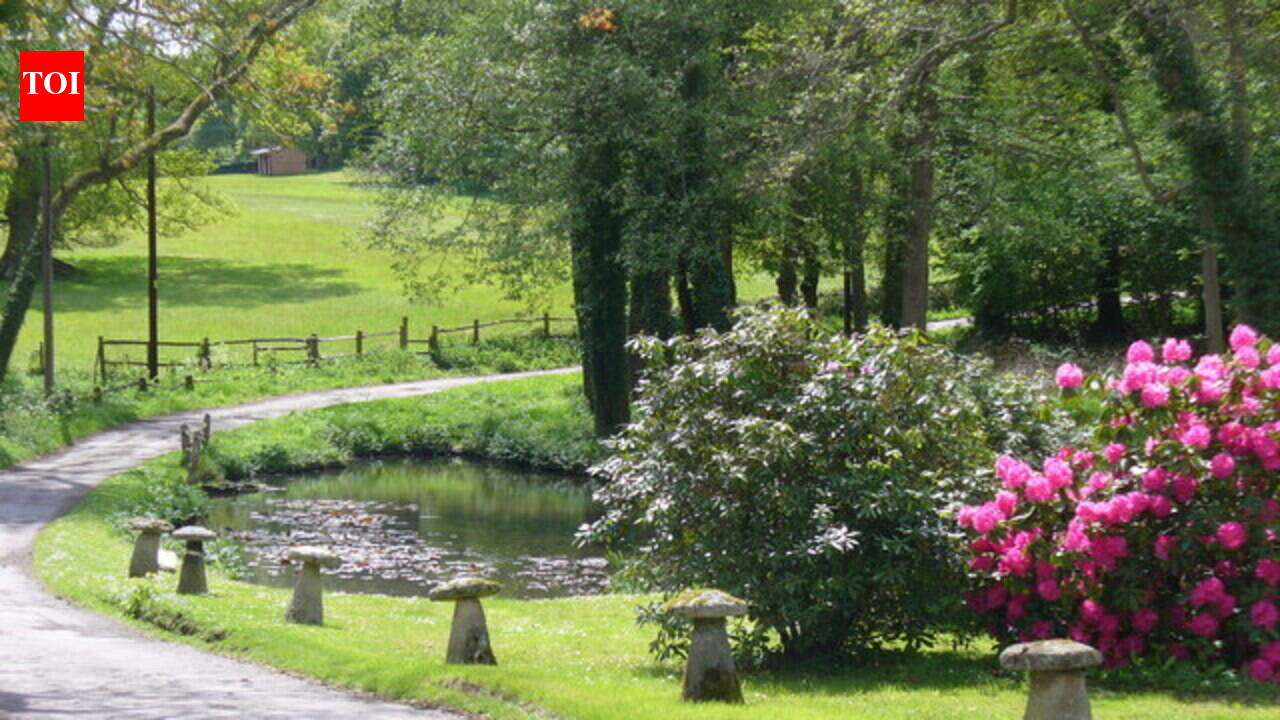
Eighteenth-century landowners introduced ornamental rhododendrons for garden beauty. This invasive species later spread aggressively across Irish natural habitats. The plant creates dense shade, suppressing native vegetation and woodland regeneration. Conservationists now face a difficult and expensive task removing the shrub. Restoration efforts highlight the ecological risks of introducing non-native species.