LPG-loaded tankers cross Strait of Hormuz to come to India: PM Modi’s diplomatic outreach in West Asia secures Indian interests, again
On March 14, it was reported that the two Indian flagged LPG-loaded tankers, Shivalik and Nandadevi, have crossed the Strait of Hormuz after PM Modi’s conversation with Iranian Masoud Pezeshkian on March 12. Indian LPG Tanker Shivalik in the gulf of Oman, and had moved from Ras Laffan, Qatar. https://t.co/sr1ElWXTxc pic.twitter.com/4RXcZHD2Yj— Sidhant Sibal (@sidhant) March 14, 2026 Iran’s Ambassador to India, Mohammad Fathali confirmed that Tehran will grant safe passage to vessels bound for India through the Strait of Hormuz, citing the longstanding friendship and shared interests between the two countries amid the ongoing conflict in West Asia. This is a significant development after the reports of two oil tankers also crossing the Strait, carrying oil from Saudi Arabia and Iraq and reaching Indian ports. The passage of the ships once again asserts that, despite strategic relations with all sides, PM Modi’s government prioritises the interests of the 1.4 billion people of India and pursues diplomatic and strategic manoeuvres to secure the interests of India even in critical situations like wars. What the government of India under PM Modi has managed to achieve for India is in sharp contrast to what the leaders of other global powers have done in recent years. Instead of irresponsible leadership that believes in undefined goals and optics to prove in distant wars, jeopardising the interests of its own citizens and triggering economic chaos, the Indian government has pursued a path of astute diplomacy and stable relationships in the world. The USA, for example, is fighting a war in West Asia where the objective is not clearly defined, the scale and magnitude of the war remain unclear, and there is no exit strategy in sight. The war has resulted in a blockade of the Strait of Hormuz, which threatens the global economies, from South Korea to Europe, and from Japan to China, including India. While starting a war in the Persian Gulf, the USA has not only put its own allies in the Arab nations under peril, making them the target of Iranian missiles every single day, it has also caused the endangerment and choking of crucial global trade routes, risking far greater economic woes in the future that may affect billions in Asia and the world. Asian economies like India, China, Singapore, Japan, and others that need the oil and gas from the Persian Gulf routes are under stress due to Trump’s war with Iran. In the middle of a critical military and trade crisis, PM Modi’s carefully crafted foreign policy is what is preventing panic and scarcity in the nation. For the Modi government, engaging with partners in West Asia, closer to home, supersedes the game of optics that the Trump administration is currently engaged in. Since the war began, PM Modi has spoken to the leaders in Saudi Arabia, Qatar, the UAE, Kuwait, and, most recently, the President of Iran. Peace in West Asia remains India’s top priority. The Modi government also did not care for American diktats when it was about purchasing Russian Crude in 2022. Despite sermons from the Biden administration, India ramped up its crude imports from 0 per cent to more than 40 per cent (of its total imports). The priorities for the Indian government, under the leadership of PM Modi and EAM S Jaishankar, are not guided by theatrics and optics but pragmatism and the pursuit of peace. Securing the economic interests of 1.4 billion Indians is the top objective.
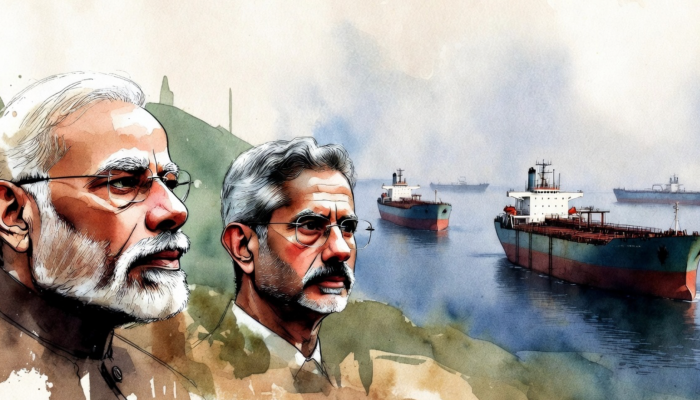
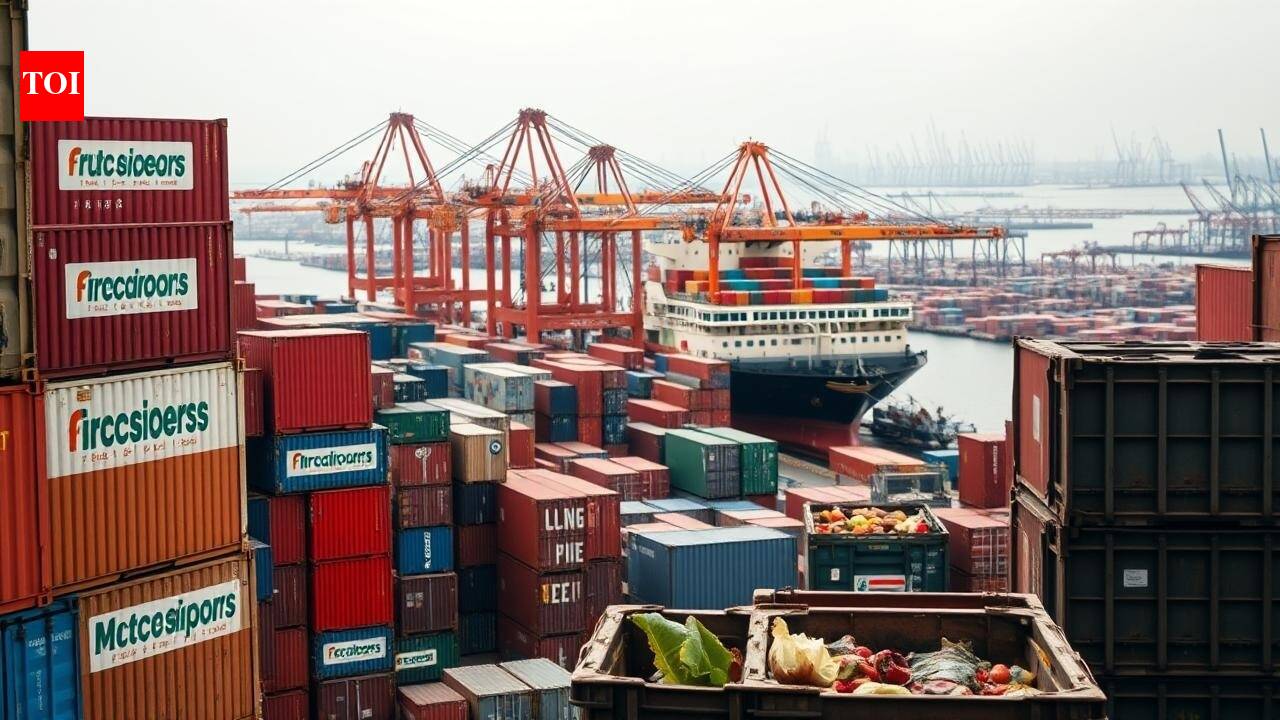
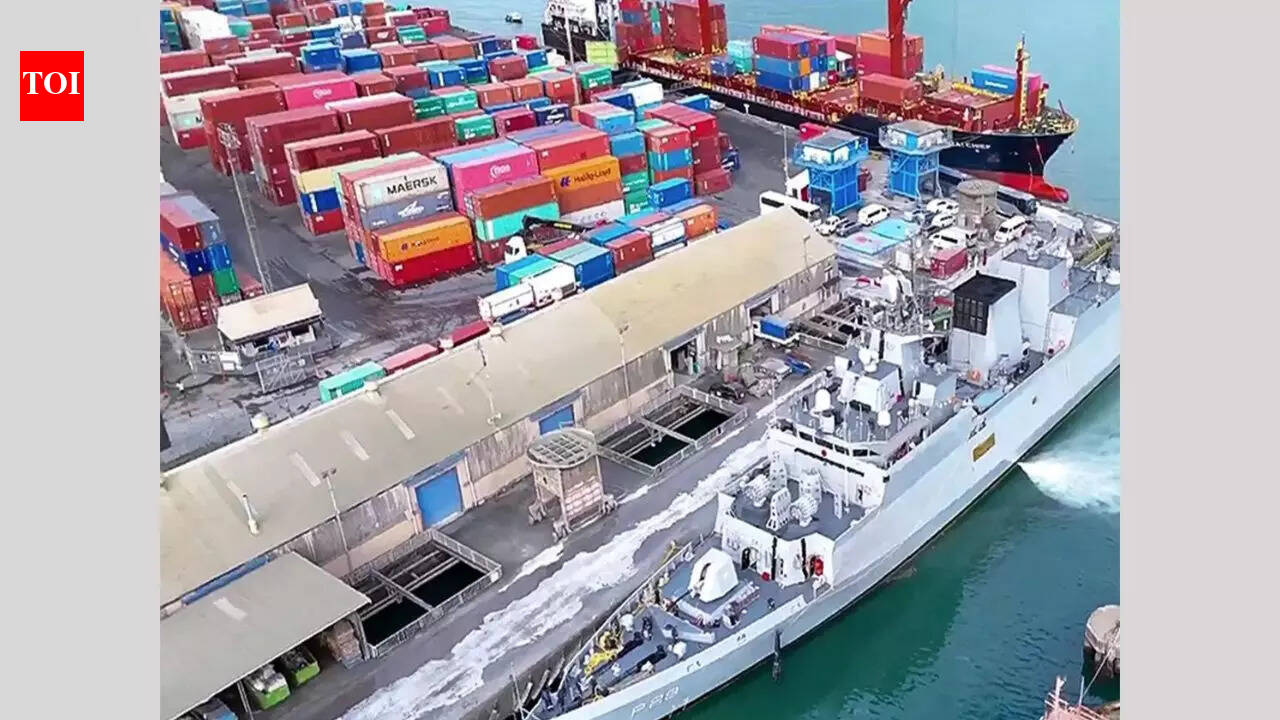
On March 14, it was reported that the two Indian flagged LPG-loaded tankers, Shivalik and Nandadevi, have crossed the Strait of Hormuz after PM Modi’s conversation with Iranian Masoud Pezeshkian on March 12.
Indian LPG Tanker Shivalik in the gulf of Oman, and had moved from Ras Laffan, Qatar. https://t.co/sr1ElWXTxc pic.twitter.com/4RXcZHD2Yj— Sidhant Sibal (@sidhant) March 14, 2026
Iran’s Ambassador to India, Mohammad Fathali confirmed that Tehran will grant safe passage to vessels bound for India through the Strait of Hormuz, citing the longstanding friendship and shared interests between the two countries amid the ongoing conflict in West Asia.
This is a significant development after the reports of two oil tankers also crossing the Strait, carrying oil from Saudi Arabia and Iraq and reaching Indian ports.
The passage of the ships once again asserts that, despite strategic relations with all sides, PM Modi’s government prioritises the interests of the 1.4 billion people of India and pursues diplomatic and strategic manoeuvres to secure the interests of India even in critical situations like wars.
What the government of India under PM Modi has managed to achieve for India is in sharp contrast to what the leaders of other global powers have done in recent years. Instead of irresponsible leadership that believes in undefined goals and optics to prove in distant wars, jeopardising the interests of its own citizens and triggering economic chaos, the Indian government has pursued a path of astute diplomacy and stable relationships in the world.
The USA, for example, is fighting a war in West Asia where the objective is not clearly defined, the scale and magnitude of the war remain unclear, and there is no exit strategy in sight. The war has resulted in a blockade of the Strait of Hormuz, which threatens the global economies, from South Korea to Europe, and from Japan to China, including India.
While starting a war in the Persian Gulf, the USA has not only put its own allies in the Arab nations under peril, making them the target of Iranian missiles every single day, it has also caused the endangerment and choking of crucial global trade routes, risking far greater economic woes in the future that may affect billions in Asia and the world.
Asian economies like India, China, Singapore, Japan, and others that need the oil and gas from the Persian Gulf routes are under stress due to Trump’s war with Iran.
In the middle of a critical military and trade crisis, PM Modi’s carefully crafted foreign policy is what is preventing panic and scarcity in the nation. For the Modi government, engaging with partners in West Asia, closer to home, supersedes the game of optics that the Trump administration is currently engaged in.
Since the war began, PM Modi has spoken to the leaders in Saudi Arabia, Qatar, the UAE, Kuwait, and, most recently, the President of Iran. Peace in West Asia remains India’s top priority.
The Modi government also did not care for American diktats when it was about purchasing Russian Crude in 2022. Despite sermons from the Biden administration, India ramped up its crude imports from 0 per cent to more than 40 per cent (of its total imports).
The priorities for the Indian government, under the leadership of PM Modi and EAM S Jaishankar, are not guided by theatrics and optics but pragmatism and the pursuit of peace. Securing the economic interests of 1.4 billion Indians is the top objective.