Mexico’s ancient farmers turned lakes into fertile farmland 1,000 years ago by building artificial islands from mud, plants and trees
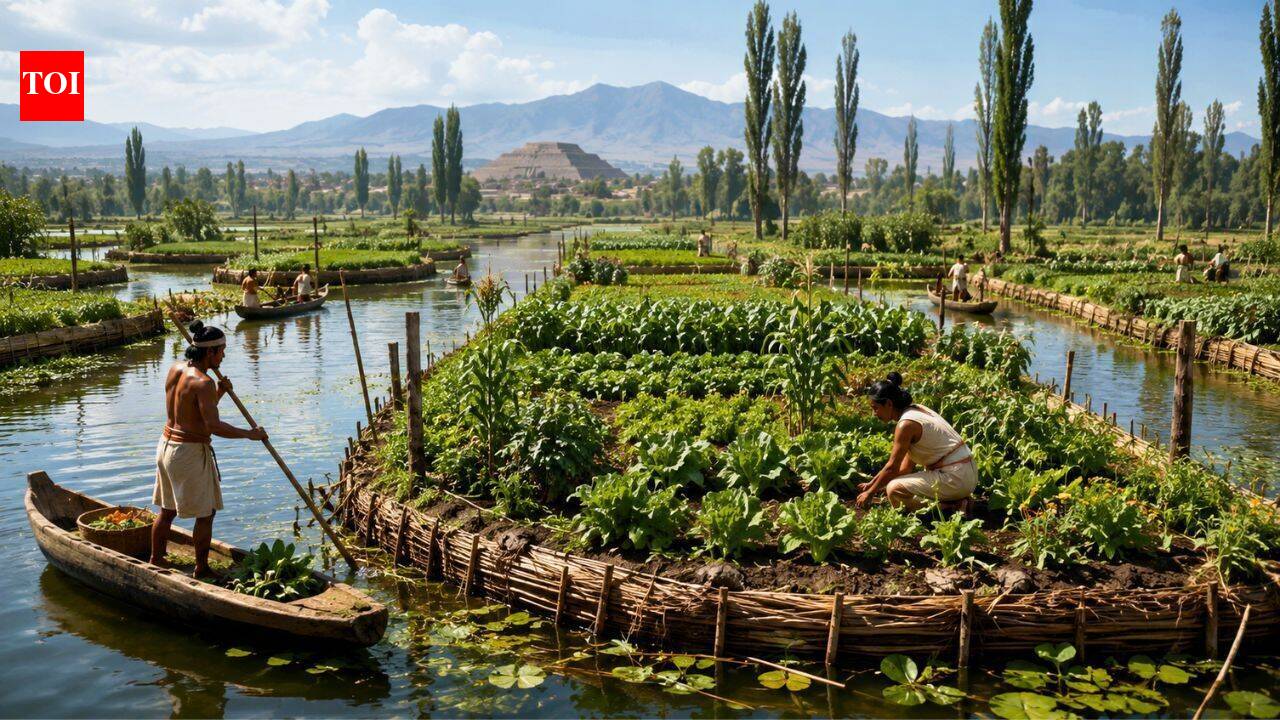
Ancient chinampas, agricultural islands built centuries ago, still exist near Mexico City. These raised gardens transformed wetlands into productive farmland, supporting a large population. Chinampas maintained soil fertility through careful management and organic material application. This system provided food for the Aztec capital and now shelters a rare amphibian. Preserving these historic fields is crucial for both agriculture and wildlife.
Ancient chinampas, agricultural islands built centuries ago, still exist near Mexico City. These raised gardens transformed wetlands into productive farmland, supporting a large population. Chinampas maintained soil fertility through careful management and organic material application. This system provided food for the Aztec capital and now shelters a rare amphibian. Preserving these historic fields is crucial for both agriculture and wildlife.