Neutron scans of a 100-million-year-old Queensland ichthyosaur found fish, cephalopods and a pterosaur in its stomach; crushing bite marks point to giant Kronosaurus
A remarkable ichthyosaur fossil, hailing from 100 million years ago, has provided a glimpse into its final feast, which included fish, cephalopods, and even a pterosaur. Using sophisticated scanning methods, scientists could identify these stomach contents non-invasively. Notably, the fossil bears evidence of severe bite marks, implicating the Kronosaurus queenslandicus as the likely predator, illuminating aspects of Australia’s ancient marine food web.
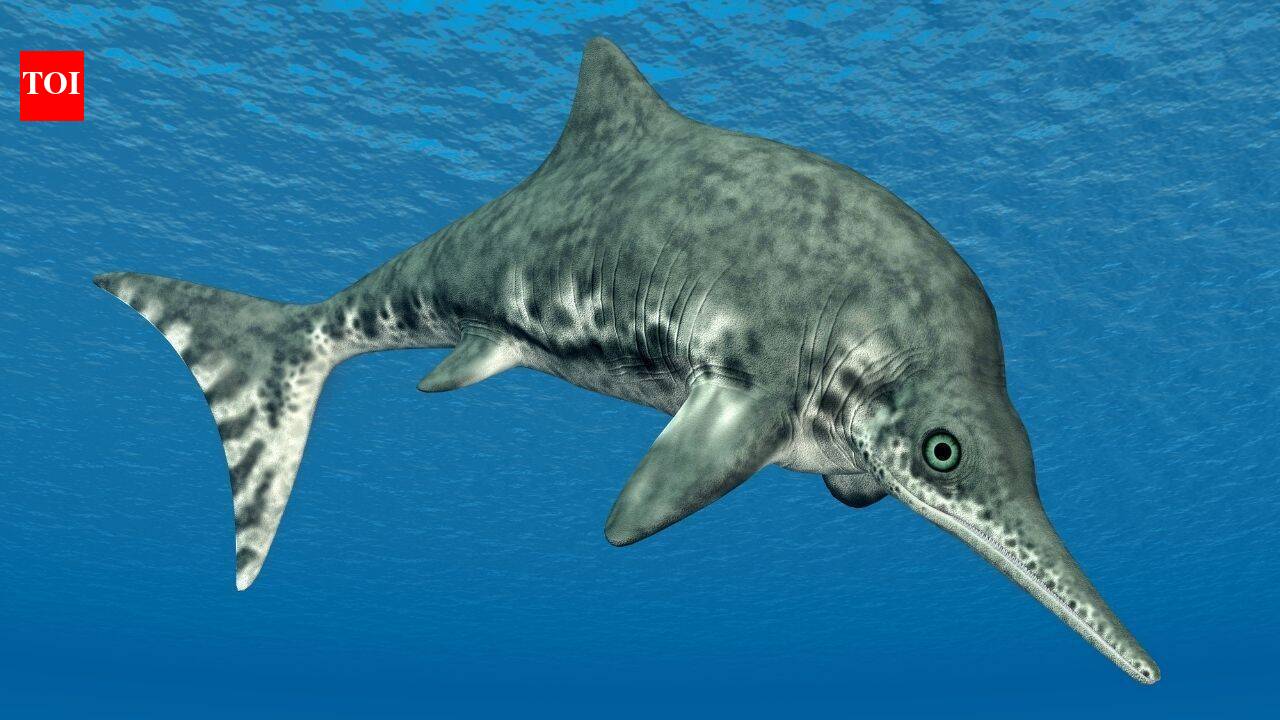
A remarkable ichthyosaur fossil, hailing from 100 million years ago, has provided a glimpse into its final feast, which included fish, cephalopods, and even a pterosaur. Using sophisticated scanning methods, scientists could identify these stomach contents non-invasively. Notably, the fossil bears evidence of severe bite marks, implicating the Kronosaurus queenslandicus as the likely predator, illuminating aspects of Australia’s ancient marine food web.