Project Kusha explained: Why India’s 'own S-400' is not designed to stop ballistic missiles
India’s maiden test of the Kusha Surface-to-Air Missile marks a decisive step in building a layered air defence shield under Mission Sudarshan Chakra. Designed in three variants—M1 (150 km), M2 (250 km) and M3 (350 km)—the system aims to rival the Russian S-400 but with indigenous scalability. The test underscores DRDO’s ability to intercept threats in both endo- and exo-atmospheric domains. Yet, as Gulf conflicts show, missile defence requires redundancy and integration. India must now invest in sensors, lasers, and command networks to ensure resilience against saturation attacks.
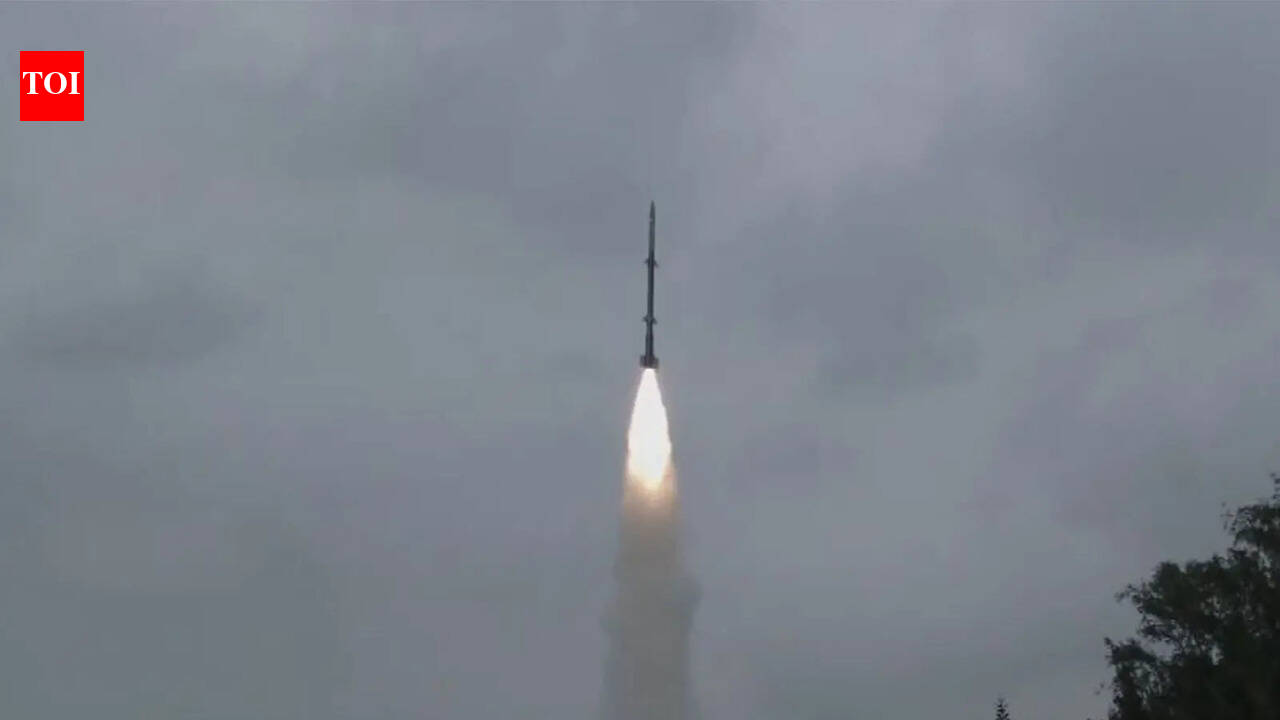
India’s maiden test of the Kusha Surface-to-Air Missile marks a decisive step in building a layered air defence shield under Mission Sudarshan Chakra. Designed in three variants—M1 (150 km), M2 (250 km) and M3 (350 km)—the system aims to rival the Russian S-400 but with indigenous scalability. The test underscores DRDO’s ability to intercept threats in both endo- and exo-atmospheric domains. Yet, as Gulf conflicts show, missile defence requires redundancy and integration. India must now invest in sensors, lasers, and command networks to ensure resilience against saturation attacks.