The Red Horrors: Remembering the 1990 Bantala case in West Bengal, when CPI(M) goons brutally gang-raped 3 female medical officers
36 years have passed since the horrific Bantala rape and murder case shook West Bengal, yet the brutality of that night remains one of the darkest chapters in the state’s history. On 30th May 1990, three women health officials and their driver were returning to Kolkata after completing a vaccination programme in Gosaba when they were attacked by local CPI(M) goons in Bantala, then a CPI(M) stronghold on the outskirts of Kolkata. What followed was an unimaginable act of brutality that continues to haunt Bengal’s collective memory even today. The victims were Anita Dewan, Deputy District Extension Media Officer; Uma Ghosh, a senior official in the West Bengal Health Department; Renu Ghosh, associated with UNICEF and WHO programmes; and their driver Avni Naiya. Around 6:30 pm, their car was intercepted near a CPM party office in Bantala. Sensing danger, the driver did not stop and tried to escape. However, the speeding vehicle overturned while attempting to flee. Within moments, a larger mob gathered around the vehicle. The Bantola rape case, 1990.Anita Dewan (Deputy District Extension Media Officer), Uma Ghosh (Senior Officer, West Bengal Health Department), Renu Ghosh (UNICEF and WHO Representative, Delhi), Avni Naiya (Driver). – beyond WB, not many people know their names. Who were these… pic.twitter.com/0crREt2M4q— Monidipa Bose – Dey (মণিদীপা) (@monidipadey) June 1, 2023 The horror of Bantala The attackers dragged the women government officers out of the car and set the vehicle on fire. Driver Avni Naiya tried to protect the women, but the mob brutally assaulted him. Reports later revealed that his genitals were crushed and his body bore 43 injury marks. He succumbed to his injuries on 4th June 1990 at SSKM Hospital. The three women officers were dragged into nearby paddy fields where they were gang-raped by the CPI(M) members. Anita Dewan died due to the brutal assault, while Uma Ghosh and Renu Ghosh survived with severe injuries. Reports from that time described shocking levels of brutality. During Anita Dewan’s post-mortem examination, the doctor fainted after discovering a one-foot-long metallic torch inserted into her private parts. Police arrived nearly five hours later. The victims were shifted to the National Medical College in Kolkata, where doctors initially believed all three women had died before realising that two of them were still alive. Following the incident in which the rapists were linked to the CPM, the then West Bengal Health Minister Prasanta Sur attempted to defend the culprits and said that the villagers had mistaken the women officers for child kidnappers and traffickers. Furthermore, the then Chief Minister Jyoti Basu said, “Such things keep happening!” Later, the ex-Director of the Asian Development Bank (ADB), D Bandhopadhyay had claimed that Anita Dewan was the main target in the infamous Bantala gangrape case as she had collected evidence of misappropriation of funds by the CPM-led panchayats. Bandopadhyay said that in villages, CPM-led panchayats were misusing funds for rural development sent by UNICEF. He added that Anita Dewan learned about this misappropriation of funds and when she collected necessary evidence from Gosaba, the communist goons attacked her when she was on her way back to Kolkata. He added that the goons torched the car in which all the evidence was also burnt to ashes. Following the investigation into the case, six culprits in this infamous 1990 case were awarded life imprisonment. 1990: A dark year for women in West Bengal The Bantala case was not an isolated incident. 1990 can be considered as one of the darkest years for women’s safety in West Bengal under the CPI(M) regime. Just days after the Bantala incident, between 6th and 8th June 1990, another horrifying case emerged from Singur police station in Hooghly district, where three policemen allegedly raped a young girl inside the police station itself. When local residents protested against the crime, police reportedly opened fire, killing one protester. Then, on 18th July 1990, another brutal incident took place near Birati railway station in North 24 Parganas. A gang of smugglers and hooch operators attacked nearby shanties and gang-raped several women, many of whom were refugees from Bangladesh. In both Bantala and Birati rape case, local police stations, despite being located nearby, failed to act in time. These incidents created a widespread perception that crimes against women were being ignored, downplayed or politically shielded during that period. CPI(M) locals goons involvement Over the years, allegations surfaced that CPI(M)-linked local goons were involved in the Bantala attack. Though courts mainly treated the case as a criminal matter, political allegations surrounding the role of local CPI(M) elements continued to dominate public discussions. Former Asian Development Bank official D Bandopadhyay later claimed that Anita Dewan h
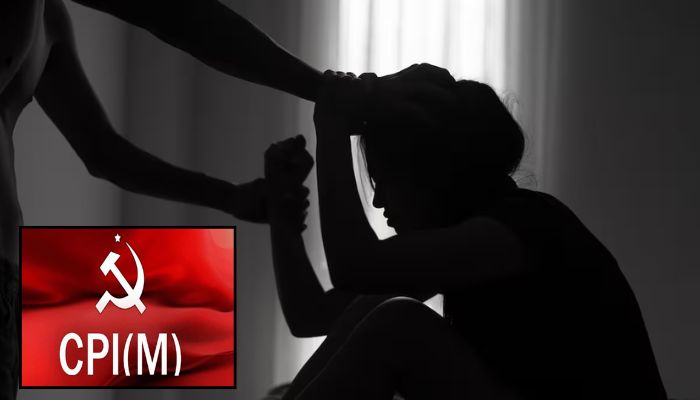
36 years have passed since the horrific Bantala rape and murder case shook West Bengal, yet the brutality of that night remains one of the darkest chapters in the state’s history. On 30th May 1990, three women health officials and their driver were returning to Kolkata after completing a vaccination programme in Gosaba when they were attacked by local CPI(M) goons in Bantala, then a CPI(M) stronghold on the outskirts of Kolkata. What followed was an unimaginable act of brutality that continues to haunt Bengal’s collective memory even today.
The victims were Anita Dewan, Deputy District Extension Media Officer; Uma Ghosh, a senior official in the West Bengal Health Department; Renu Ghosh, associated with UNICEF and WHO programmes; and their driver Avni Naiya. Around 6:30 pm, their car was intercepted near a CPM party office in Bantala. Sensing danger, the driver did not stop and tried to escape. However, the speeding vehicle overturned while attempting to flee. Within moments, a larger mob gathered around the vehicle.
The Bantola rape case, 1990.Anita Dewan (Deputy District Extension Media Officer), Uma Ghosh (Senior Officer, West Bengal Health Department), Renu Ghosh (UNICEF and WHO Representative, Delhi), Avni Naiya (Driver). – beyond WB, not many people know their names. Who were these… pic.twitter.com/0crREt2M4q— Monidipa Bose – Dey (মণিদীপা) (@monidipadey) June 1, 2023
The horror of Bantala
The attackers dragged the women government officers out of the car and set the vehicle on fire. Driver Avni Naiya tried to protect the women, but the mob brutally assaulted him. Reports later revealed that his genitals were crushed and his body bore 43 injury marks. He succumbed to his injuries on 4th June 1990 at SSKM Hospital.
The three women officers were dragged into nearby paddy fields where they were gang-raped by the CPI(M) members. Anita Dewan died due to the brutal assault, while Uma Ghosh and Renu Ghosh survived with severe injuries. Reports from that time described shocking levels of brutality. During Anita Dewan’s post-mortem examination, the doctor fainted after discovering a one-foot-long metallic torch inserted into her private parts.
Police arrived nearly five hours later. The victims were shifted to the National Medical College in Kolkata, where doctors initially believed all three women had died before realising that two of them were still alive.
Following the incident in which the rapists were linked to the CPM, the then West Bengal Health Minister Prasanta Sur attempted to defend the culprits and said that the villagers had mistaken the women officers for child kidnappers and traffickers. Furthermore, the then Chief Minister Jyoti Basu said, “Such things keep happening!”
Later, the ex-Director of the Asian Development Bank (ADB), D Bandhopadhyay had claimed that Anita Dewan was the main target in the infamous Bantala gangrape case as she had collected evidence of misappropriation of funds by the CPM-led panchayats. Bandopadhyay said that in villages, CPM-led panchayats were misusing funds for rural development sent by UNICEF.
He added that Anita Dewan learned about this misappropriation of funds and when she collected necessary evidence from Gosaba, the communist goons attacked her when she was on her way back to Kolkata. He added that the goons torched the car in which all the evidence was also burnt to ashes.
Following the investigation into the case, six culprits in this infamous 1990 case were awarded life imprisonment.
1990: A dark year for women in West Bengal
The Bantala case was not an isolated incident. 1990 can be considered as one of the darkest years for women’s safety in West Bengal under the CPI(M) regime.
Just days after the Bantala incident, between 6th and 8th June 1990, another horrifying case emerged from Singur police station in Hooghly district, where three policemen allegedly raped a young girl inside the police station itself. When local residents protested against the crime, police reportedly opened fire, killing one protester.
Then, on 18th July 1990, another brutal incident took place near Birati railway station in North 24 Parganas. A gang of smugglers and hooch operators attacked nearby shanties and gang-raped several women, many of whom were refugees from Bangladesh. In both Bantala and Birati rape case, local police stations, despite being located nearby, failed to act in time.
These incidents created a widespread perception that crimes against women were being ignored, downplayed or politically shielded during that period.
CPI(M) locals goons involvement
Over the years, allegations surfaced that CPI(M)-linked local goons were involved in the Bantala attack. Though courts mainly treated the case as a criminal matter, political allegations surrounding the role of local CPI(M) elements continued to dominate public discussions.
Former Asian Development Bank official D Bandopadhyay later claimed that Anita Dewan had been specifically targeted because she had gathered evidence regarding misuse of UNICEF rural development funds by CPM-controlled panchayats in Gosaba. According to these claims, the attackers destroyed the car to burn all documentary evidence collected by Dewan.
While some aspects of these claims remain debated and were never fully established in court, the allegations significantly shaped public perception of the case.
Senior CPI(M) leaders downplayed the heinous crime
One of the reasons the Bantala case remains politically sensitive even today is because of the statements made by senior CPI(M) leaders after the incident.
Then West Bengal Health Minister Prasanta Sur attempted to defend the incident by claiming that villagers had mistaken the women officers for child kidnappers and traffickers. The explanation was heavily criticised at the time as an attempt to dilute the seriousness of the crime.
Even more controversial was the statement attributed to then Chief Minister Jyoti Basu, who said, “E shob toh hoeyi thakey (Such things keep happening).” The remark triggered outrage across political and civil society circles, with critics accusing the Left government of showing shocking insensitivity toward rape victims.
For many in Bengal, these statements became symbols of how the administration tried to minimise or politically manage horrific crimes instead of ensuring accountability.
Convictions, but lingering questions
Following investigation and legal proceedings, six accused persons were sentenced to life imprisonment in connection with the case in 2003. The punishments never fully answered larger questions regarding political patronage, delayed police response and the atmosphere of fear prevailing at the time.
The Bantala case also exposed the dangers faced by frontline women workers who travelled to remote parts of the state for public health programmes. Anita Dewan, Uma Ghosh and Renu Ghosh were not political activists or public figures. They were health officials working to improve vaccination coverage in rural Bengal.
From Bantala to RG Kar: Has anything changed?
More than three decades later, West Bengal still struggles with the same questions around women’s safety and political accountability.
After the CPI(M) regime ended, hopes were raised that the situation would improve under the Trinamool Congress (TMC) government. However, more incidents under the TMC era prove that the situation has not changed at all.
The 2024 RG Kar Medical College rape and murder case once again brought national attention to women’s safety in Bengal. The brutal rape and murder of a young doctor inside a government hospital triggered massive protests across the country and raised serious concerns about administrative failure, political influence and institutional silence.
The memory of Bantala returned during the RG Kar protests. The names and governments may have changed, but the anger over women’s safety, delayed justice, and political defensiveness continues to remain painfully familiar in West Bengal even after 36 years.