Who are Budhri Tati and Dr Armida Fernandez: Modi govt awards Padma Shri to social worker in Naxal-affected Bastar and the mother of Indian neonatology
Every Republic Day, India rolls out the Padma awards to celebrate everyday folks doing extraordinary things. This year, on 26th January, the government announced the list, spotlighting 45 unsung heroes with Padma Shri in exceptional work across fields like social service, medicine, education, public affairs, and community development. These aren’t big celebrities, they’re regular people making real change. From a retired IPS officer cleaning streets, to a bus conductor building the world’s largest free library, the list celebrates people who chose service over comfort. Among them are names like Budhri Tati, a social worker from a Naxal-affected region of Chhattisgarh, and Dr Armida Fernandez, a pioneering paediatrician and neonatologist who transformed infant healthcare in India. Both are getting the Padma Shri for their lifelong dedication. Budhri Tati: A quiet force of change in Naxal-affected Bastar Budhri Tati, from the Naxal-hit Hiranar village in Dantewada district, South Bastar, Chhattisgarh, is one of those rare gems earning the Padma Shri this year. She’s spent over 36 to 40 years pouring her heart into social work in one of India’s most dangerous and backward spots, the hardcore Naxal area of Abujhmad. Watch: According to sources, Budri Thati from Chhattisgarh will be conferred the Padma Shri 2026 in the field of Social Work pic.twitter.com/q6SdWMfEs1— IANS (@ians_india) January 25, 2026 Locals fondly call her “Badi Didi”, like a big sister everyone looks up to. She’s all about lifting girls, women, and the elderly in places where violence and poverty keep dreams out of reach. Budhri’s work is hands-on and tireless. She runs sewing training programs to make women self-reliant. Over 500 have learned skills to stand on their own feet, stitching clothes and earning a living. She pushes education hard, setting up schools and spreading the word to kids who’ve never seen a classroom because of the Naxal shadow. In old-age homes, she lends a hand, making sure the forgotten aren’t alone. Even the Chhattisgarh government has honoured her before for this quiet revolution. In Abujhmad, where outsiders fear to tread, Budhri’s built trust and change, one stitch, one lesson at a time. Her story shows how one woman’s grit can light up the darkest corners. Speaking to PTI, on being conferred with Padma Shri, Budhari Tati says, “It’s a proud moment for my tribal community, nearly 545 women were educated through my efforts.” VIDEO | Dantewada, Chhattisgarh: On being conferred with Padma Shri, Budhari Tati says, "It's a proud moment for my tribal community, nearly 545 women were educated through my efforts."Social worker Budhari Tati, a native of Hiranar village in Dantewada district, began her… pic.twitter.com/bME9rVWgFt— Press Trust of India (@PTI_News) January 25, 2026 Dr Armida Fernandez: Mother of Indian Neonatology 83-year-old Dr Armida Fernandez from Karnataka is being awarded the Padma Shri too; she’s one of 15 from the state. Based in Mumbai, this neonatologist is known as the ‘mother of Indian neonatology’ for revolutionising baby care. Back in 1989, she set up Asia’s first human milk bank at Sion Hospital (Lokmanya Tilak Municipal General Hospital). It was a game-changer, slashing infant deaths by giving preterm babies donated mother’s milk when their own moms couldn’t provide it. Before machines could breathe for newborns, Dr Armida Fernandez taught a nation to care.In a crowded Mumbai ward in 1989, when fragile lives slipped away because mothers’ milk didn’t reach them, she dared to imagine something radical—a human milk bank.Not charity, but dignity… pic.twitter.com/bGJW4BsFJT— The Better India (@thebetterindia) January 26, 2026 Dr Fernandez didn’t stop there. She’s trained over 2,000 nurses and kicked off one of India’s earliest doctoral programs in neonatology. She served as dean of Sion Hospital till retiring in 2001, and her innovations were low-cost and smart, like using overhead lamps to keep newborns warm. At a time when hospitals banned moms from neonatal units over infection fears, she let them in, proving it actually protected the babies. Her peers rave about her vision. Dr Jayshree Mondkar, a close colleague and former dean, recalls how Dr Fernandez started as her teacher, then became HOD, and later dean. “She persisted despite pushback on milk banks,” Mondkar says. Donors kept it going for five years until the Mumbai civic body took over. Armida Fernandes from Maharashtra will be conferred the Padma Shri in Medicine for her contributions to reducing infant mortality, including establishing Asia’s first Human Milk Bank and training over two thousand nurses, doctors, and hospital teams across Maharashtra.… pic.twitter.com/CdOfU3TsOT— Ministry of Information and Broadcasting (@MIB_India) January 25, 2026 Pioneering health beyond hospital walls Dr Fernandez always thought bigger than bedsides. In 1999, she co-founded SNEHA, the

Every Republic Day, India rolls out the Padma awards to celebrate everyday folks doing extraordinary things. This year, on 26th January, the government announced the list, spotlighting 45 unsung heroes with Padma Shri in exceptional work across fields like social service, medicine, education, public affairs, and community development. These aren’t big celebrities, they’re regular people making real change. From a retired IPS officer cleaning streets, to a bus conductor building the world’s largest free library, the list celebrates people who chose service over comfort.
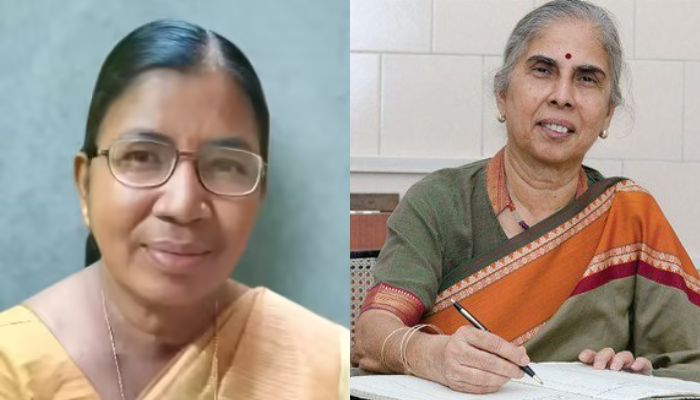
Among them are names like Budhri Tati, a social worker from a Naxal-affected region of Chhattisgarh, and Dr Armida Fernandez, a pioneering paediatrician and neonatologist who transformed infant healthcare in India. Both are getting the Padma Shri for their lifelong dedication.
Budhri Tati: A quiet force of change in Naxal-affected Bastar
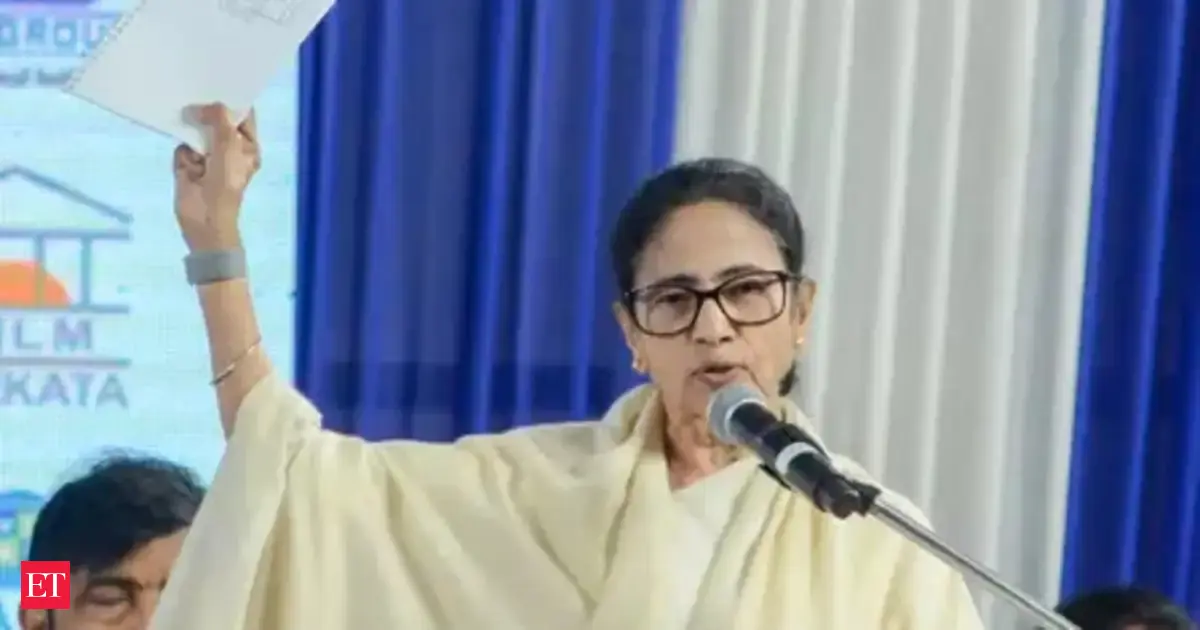
Budhri Tati, from the Naxal-hit Hiranar village in Dantewada district, South Bastar, Chhattisgarh, is one of those rare gems earning the Padma Shri this year. She’s spent over 36 to 40 years pouring her heart into social work in one of India’s most dangerous and backward spots, the hardcore Naxal area of Abujhmad.
Watch: According to sources, Budri Thati from Chhattisgarh will be conferred the Padma Shri 2026 in the field of Social Work pic.twitter.com/q6SdWMfEs1
— IANS (@ians_india) January 25, 2026
Locals fondly call her “Badi Didi”, like a big sister everyone looks up to. She’s all about lifting girls, women, and the elderly in places where violence and poverty keep dreams out of reach.

Budhri’s work is hands-on and tireless. She runs sewing training programs to make women self-reliant. Over 500 have learned skills to stand on their own feet, stitching clothes and earning a living.
She pushes education hard, setting up schools and spreading the word to kids who’ve never seen a classroom because of the Naxal shadow. In old-age homes, she lends a hand, making sure the forgotten aren’t alone. Even the Chhattisgarh government has honoured her before for this quiet revolution. In Abujhmad, where outsiders fear to tread, Budhri’s built trust and change, one stitch, one lesson at a time. Her story shows how one woman’s grit can light up the darkest corners.
Speaking to PTI, on being conferred with Padma Shri, Budhari Tati says, “It’s a proud moment for my tribal community, nearly 545 women were educated through my efforts.”
VIDEO | Dantewada, Chhattisgarh: On being conferred with Padma Shri, Budhari Tati says, "It's a proud moment for my tribal community, nearly 545 women were educated through my efforts."
— Press Trust of India (@PTI_News) January 25, 2026
Social worker Budhari Tati, a native of Hiranar village in Dantewada district, began her… pic.twitter.com/bME9rVWgFt
Dr Armida Fernandez: Mother of Indian Neonatology
83-year-old Dr Armida Fernandez from Karnataka is being awarded the Padma Shri too; she’s one of 15 from the state. Based in Mumbai, this neonatologist is known as the ‘mother of Indian neonatology’ for revolutionising baby care. Back in 1989, she set up Asia’s first human milk bank at Sion Hospital (Lokmanya Tilak Municipal General Hospital). It was a game-changer, slashing infant deaths by giving preterm babies donated mother’s milk when their own moms couldn’t provide it.
Before machines could breathe for newborns, Dr Armida Fernandez taught a nation to care.
— The Better India (@thebetterindia) January 26, 2026
In a crowded Mumbai ward in 1989, when fragile lives slipped away because mothers’ milk didn’t reach them, she dared to imagine something radical—a human milk bank.
Not charity, but dignity… pic.twitter.com/bGJW4BsFJT
Dr Fernandez didn’t stop there. She’s trained over 2,000 nurses and kicked off one of India’s earliest doctoral programs in neonatology. She served as dean of Sion Hospital till retiring in 2001, and her innovations were low-cost and smart, like using overhead lamps to keep newborns warm.

At a time when hospitals banned moms from neonatal units over infection fears, she let them in, proving it actually protected the babies. Her peers rave about her vision. Dr Jayshree Mondkar, a close colleague and former dean, recalls how Dr Fernandez started as her teacher, then became HOD, and later dean. “She persisted despite pushback on milk banks,” Mondkar says. Donors kept it going for five years until the Mumbai civic body took over.
Armida Fernandes from Maharashtra will be conferred the Padma Shri in Medicine for her contributions to reducing infant mortality, including establishing Asia’s first Human Milk Bank and training over two thousand nurses, doctors, and hospital teams across Maharashtra.… pic.twitter.com/CdOfU3TsOT
— Ministry of Information and Broadcasting (@MIB_India) January 25, 2026
Pioneering health beyond hospital walls
Dr Fernandez always thought bigger than bedsides. In 1999, she co-founded SNEHA, the Society for Nutrition, Education and Health Action, an urban health NGO operating in Mumbai’s slums. It started with moms and newborns, fighting violence against women and kids, then grew to childcare, nutrition, and teen health.
Today, SNEHA has over 500 staff tackling informal settlements, a shift from rural-only health talks back then. Dr Shanti Pantvaidya, former anaesthesiology head, remembers her summoning all department heads as dean to craft a shared hospital vision, something totally new and exciting.
No possessiveness for her; she built these setups and handed them off. When the milk bank idea faced scepticism, people weren’t used to donated human milk – she pushed through. Her work transformed pediatric care, focusing on nutrition and community reach.
A personal touch: Palliative care legacy
In 2017, Dr Fernandez added another layer by starting a free palliative care centre in Mumbai, honouring her daughter Romila, who passed away from cancer. Run mostly by volunteers, it’s open to anyone with life-limiting illnesses, offering emotional support and medical relief. Colleagues like Dr Pantvaidya call her a joy to work with, full of genuine care, vision, and stick-to-it-ness. “This award shows there’s still room for goodness,” Pantvaidya says. Dr Fernandez’s life proves that one doctor can save thousands of tiny lives, build lasting institutions, and touch hearts in slums and beyond.
The Padma Shri awards for Budhri Tati and Dr Armida Fernandez are a reminder that lasting change often comes not from grand speeches or headlines, but from years of quiet, persistent work.