A preprint argues humans are now the fastest driver of biosphere loss after the Chicxulub asteroid, but also the first force able to reverse course
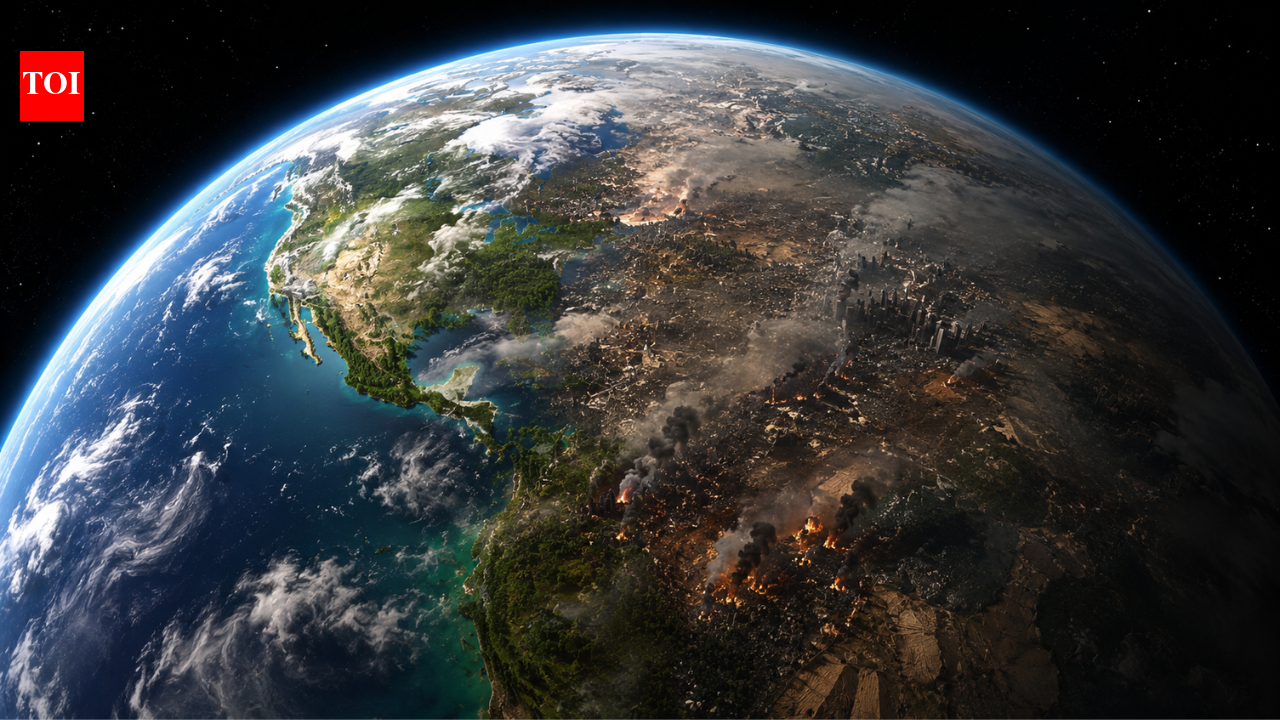
For billions of years, only one event is known to have caused a mass extinction at the speed now associated with modern environmental change: the asteroid impact that wiped out the dinosaurs 66 million years ago. A new study argues that human activity has become the second force in Earth’s 4.5-billion-year history capable of driving such rapid global biodiversity loss. By comparing today’s ecological disruption with past mass extinctions, researchers warn that habitat destruction, climate change and other human pressures are pushing species toward decline at an unprecedented pace, raising concerns about the planet’s long-term ecological stability.
For billions of years, only one event is known to have caused a mass extinction at the speed now associated with modern environmental change: the asteroid impact that wiped out the dinosaurs 66 million years ago. A new study argues that human activity has become the second force in Earth’s 4.5-billion-year history capable of driving such rapid global biodiversity loss. By comparing today’s ecological disruption with past mass extinctions, researchers warn that habitat destruction, climate change and other human pressures are pushing species toward decline at an unprecedented pace, raising concerns about the planet’s long-term ecological stability.