Trump’s Saudi nuclear pact explained: Can Riyadh now enrich uranium for a bomb?
US President Donald Trump has approved a major civil nuclear cooperation agreement with Saudi Arabia. This move could reshape energy ties between the two countries while also triggering concerns over nuclear weapons proliferation in the Middle East. The proposed agreement, expected to remain in force for 30 years and valued at tens of billions of dollars, will allow American companies to play the leading role in building Saudi Arabia’s civilian nuclear programme. At the same time, the deal could pave the way for the kingdom to enrich uranium on its own soil under certain conditions, marking a significant shift in US policy toward nuclear cooperation in the region. The Trump administration is expected to send the agreement to the US Congress in the coming days for review. A 30-year nuclear partnership At the heart of the package is a “123 Agreement,” the legal framework that governs US nuclear cooperation with other countries. Such agreements are required under the US Atomic Energy Act before American companies can transfer nuclear technology or equipment abroad. Under the proposed arrangement, US firms will build nuclear power reactors and supply other civilian nuclear technologies to Saudi Arabia. The deal is also designed to give American companies a dominant position in the Saudi nuclear market while limiting opportunities for competing suppliers from countries such as Russia and China. Administration officials argue that this approach will strengthen US-Saudi relations, support America’s nuclear industry and keep Washington closely involved in Saudi Arabia’s nuclear programme rather than allowing rival powers to fill that role. Uranium enrichment provision draws attention One of the most closely watched parts of the agreement is its approach to uranium enrichment. Unlike many countries that import enriched uranium for use in civilian nuclear reactors, Saudi Arabia could eventually be allowed to enrich uranium within its own territory. According to the agreement, American and Saudi officials will first conduct a joint two-year study to determine whether domestic uranium enrichment is commercially practical and necessary for the kingdom’s civilian nuclear programme. If the study concludes that local enrichment is justified, the United States would build the enrichment facility in Saudi Arabia. The plant would reportedly operate under a “black box” arrangement, meaning sensitive enrichment technology would remain under American control and would not be transferred to Saudi authorities. Trump administration officials say this model would allow Saudi Arabia to produce fuel for civilian reactors while preventing the misuse of enrichment technology for military purposes. The agreement also states that if Washington decides not to proceed with uranium enrichment after the study, Saudi Arabia would not be allowed to build an enrichment facility independently or with another foreign partner for the next 10 years. Missing safeguards raise concerns Despite these assurances, the agreement has attracted criticism because it leaves out several safeguards that have traditionally been part of US nuclear cooperation agreements. Most notably, Saudi Arabia has not accepted the so-called “Gold Standard.” This provision, included in the US nuclear agreement with the United Arab Emirates, requires a country to permanently give up uranium enrichment and the reprocessing of spent nuclear fuel. The Saudi agreement does not include that commitment. It also does not require Saudi Arabia to adopt the International Atomic Energy Agency’s (IAEA) Additional Protocol. The Additional Protocol gives the UN nuclear watchdog wider inspection powers, including the ability to conduct inspections at undeclared nuclear sites if concerns arise. Instead of following this internationally recognised inspection system, the United States and Saudi Arabia are expected to establish their own bilateral safeguards for monitoring nuclear activities linked to the agreement. But many Middle East experts have alleged that these arrangements may not provide the same level of transparency as the IAEA’s enhanced inspection regime. Why uranium enrichment matters The debate over the agreement centres on uranium enrichment because it has both civilian and military uses. Low-enriched uranium is commonly used as fuel in nuclear power plants to generate electricity. However, if uranium is enriched to much higher levels, it can become the key material required for nuclear weapons. Another pathway to building a nuclear weapon involves reprocessing spent nuclear fuel to separate plutonium. For this reason, uranium enrichment and plutonium reprocessing are considered the two main routes to producing fissile material for nuclear weapons. Most countries operating civilian nuclear reactors import enriched uranium under strict international oversight instead of producing it themselves. Allowing a c
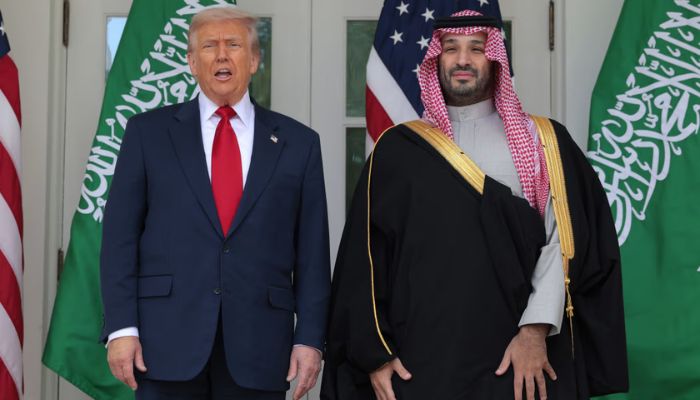
US President Donald Trump has approved a major civil nuclear cooperation agreement with Saudi Arabia. This move could reshape energy ties between the two countries while also triggering concerns over nuclear weapons proliferation in the Middle East.
The proposed agreement, expected to remain in force for 30 years and valued at tens of billions of dollars, will allow American companies to play the leading role in building Saudi Arabia’s civilian nuclear programme. At the same time, the deal could pave the way for the kingdom to enrich uranium on its own soil under certain conditions, marking a significant shift in US policy toward nuclear cooperation in the region.
The Trump administration is expected to send the agreement to the US Congress in the coming days for review.
A 30-year nuclear partnership
At the heart of the package is a “123 Agreement,” the legal framework that governs US nuclear cooperation with other countries. Such agreements are required under the US Atomic Energy Act before American companies can transfer nuclear technology or equipment abroad.
Under the proposed arrangement, US firms will build nuclear power reactors and supply other civilian nuclear technologies to Saudi Arabia. The deal is also designed to give American companies a dominant position in the Saudi nuclear market while limiting opportunities for competing suppliers from countries such as Russia and China.
Administration officials argue that this approach will strengthen US-Saudi relations, support America’s nuclear industry and keep Washington closely involved in Saudi Arabia’s nuclear programme rather than allowing rival powers to fill that role.
Uranium enrichment provision draws attention
One of the most closely watched parts of the agreement is its approach to uranium enrichment.
Unlike many countries that import enriched uranium for use in civilian nuclear reactors, Saudi Arabia could eventually be allowed to enrich uranium within its own territory.
According to the agreement, American and Saudi officials will first conduct a joint two-year study to determine whether domestic uranium enrichment is commercially practical and necessary for the kingdom’s civilian nuclear programme.
If the study concludes that local enrichment is justified, the United States would build the enrichment facility in Saudi Arabia. The plant would reportedly operate under a “black box” arrangement, meaning sensitive enrichment technology would remain under American control and would not be transferred to Saudi authorities.
Trump administration officials say this model would allow Saudi Arabia to produce fuel for civilian reactors while preventing the misuse of enrichment technology for military purposes.
The agreement also states that if Washington decides not to proceed with uranium enrichment after the study, Saudi Arabia would not be allowed to build an enrichment facility independently or with another foreign partner for the next 10 years.
Missing safeguards raise concerns
Despite these assurances, the agreement has attracted criticism because it leaves out several safeguards that have traditionally been part of US nuclear cooperation agreements.
Most notably, Saudi Arabia has not accepted the so-called “Gold Standard.” This provision, included in the US nuclear agreement with the United Arab Emirates, requires a country to permanently give up uranium enrichment and the reprocessing of spent nuclear fuel.
The Saudi agreement does not include that commitment.
It also does not require Saudi Arabia to adopt the International Atomic Energy Agency’s (IAEA) Additional Protocol. The Additional Protocol gives the UN nuclear watchdog wider inspection powers, including the ability to conduct inspections at undeclared nuclear sites if concerns arise.
Instead of following this internationally recognised inspection system, the United States and Saudi Arabia are expected to establish their own bilateral safeguards for monitoring nuclear activities linked to the agreement.
But many Middle East experts have alleged that these arrangements may not provide the same level of transparency as the IAEA’s enhanced inspection regime.
Why uranium enrichment matters
The debate over the agreement centres on uranium enrichment because it has both civilian and military uses.
Low-enriched uranium is commonly used as fuel in nuclear power plants to generate electricity. However, if uranium is enriched to much higher levels, it can become the key material required for nuclear weapons.
Another pathway to building a nuclear weapon involves reprocessing spent nuclear fuel to separate plutonium. For this reason, uranium enrichment and plutonium reprocessing are considered the two main routes to producing fissile material for nuclear weapons.
Most countries operating civilian nuclear reactors import enriched uranium under strict international oversight instead of producing it themselves. Allowing a country to enrich uranium domestically without internationally accepted safeguards is often viewed as increasing the risk of nuclear weapons proliferation.
Saudi Arabia says programme is for peaceful purposes
Saudi Arabia has consistently maintained that its nuclear programme is intended only to meet the country’s growing energy needs.
The kingdom hopes to use nuclear power to generate electricity, allowing it to consume less oil at home and export more crude oil to international markets. Saudi officials also believe the programme could help develop the country’s uranium resources and diversify its energy mix.
However, concerns remain because Saudi Crown Prince Mohammed bin Salman said in 2018 that if regional rival Iran were to obtain a nuclear weapon, Saudi Arabia would pursue one as well.
That earlier statement continues to shape international concerns over any proposal that gives Riyadh greater access to sensitive nuclear technologies.
Trump administration defends the agreement
The Trump administration argues that keeping American companies deeply involved in Saudi Arabia’s nuclear programme is the safest approach.
Officials say US participation would ensure that enriched uranium is used only for civilian purposes and that spent nuclear fuel cannot be diverted for weapons production.
Energy Secretary Chris Wright, who discussed the agreement with Saudi Energy Minister Prince Abdulaziz bin Salman during a visit to the kingdom in April 2025, is expected to sign the agreement alongside his Saudi counterpart formally.
In a statement, Wright said the agreements maintain the highest standards of nuclear safety and non-proliferation while using advanced American nuclear technology.
Supporters also argue that the deal could revive the US nuclear industry, create business opportunities for companies such as Westinghouse Electric, and prevent Russia or China from becoming Saudi Arabia’s primary nuclear partners.
Westinghouse’s AP1000 reactor, capable of producing around 1,100 megawatts of electricity, is expected to be among the leading technologies offered under the agreement.
Critics warn of wider regional impact
Many nuclear experts and lawmakers remain unconvinced. They argue that allowing Saudi Arabia to develop uranium enrichment capability even under American supervision could encourage other countries in the Middle East, including Turkey, Egypt and the United Arab Emirates, to seek similar rights.
Some analysts believe this could trigger a regional competition in nuclear technology, increasing long-term security risks.
Others point out that the agreement comes as Washington continues to pressure Iran to limit its nuclear programme and give up its stockpile of highly enriched uranium. Critics say helping Saudi Arabia expand its civilian nuclear capabilities while demanding strict limits on Iran creates a difficult diplomatic balance.
The Trump administration rejects that argument, saying the Saudi programme will remain peaceful because of US oversight and agreed safeguards.
Israel no longer linked to the agreement
The agreement also marks a departure from the approach taken by the previous Biden administration.
The Biden administration had been willing to pursue civil nuclear cooperation with Saudi Arabia but linked the proposal to Riyadh establishing diplomatic relations with Israel as part of a broader regional agreement.
Those efforts stalled following Hamas’ October 2023 attack on Israel and the subsequent war in Gaza.
The Trump administration has continued to encourage Saudi Arabia to join the Abraham Accords but has not made normalisation with Israel a condition for the nuclear agreement.
Congressional review ahead
The agreement will now be submitted to the US Congress, where lawmakers will have an opportunity to review it.
Although some members of Congress are expected to challenge the proposal because of its approach to uranium enrichment and nuclear safeguards, blocking the agreement would be difficult. Under US law, opponents would need enough votes to pass a joint resolution and, if necessary, override a presidential veto with a two-thirds majority.
As debate begins in Washington, the agreement is likely to become one of the most closely watched international nuclear deals in recent years, with supporters highlighting its strategic and economic benefits, while critics warn that relaxing long-standing safeguards could increase the risk of nuclear weapons proliferation in an already volatile region.