AAP removes Raghav Chadha as Rajya Sabha deputy leader: How Chadha’s ‘growing clout’ challenged Arvind Kejriwal-led AAP’s power structure
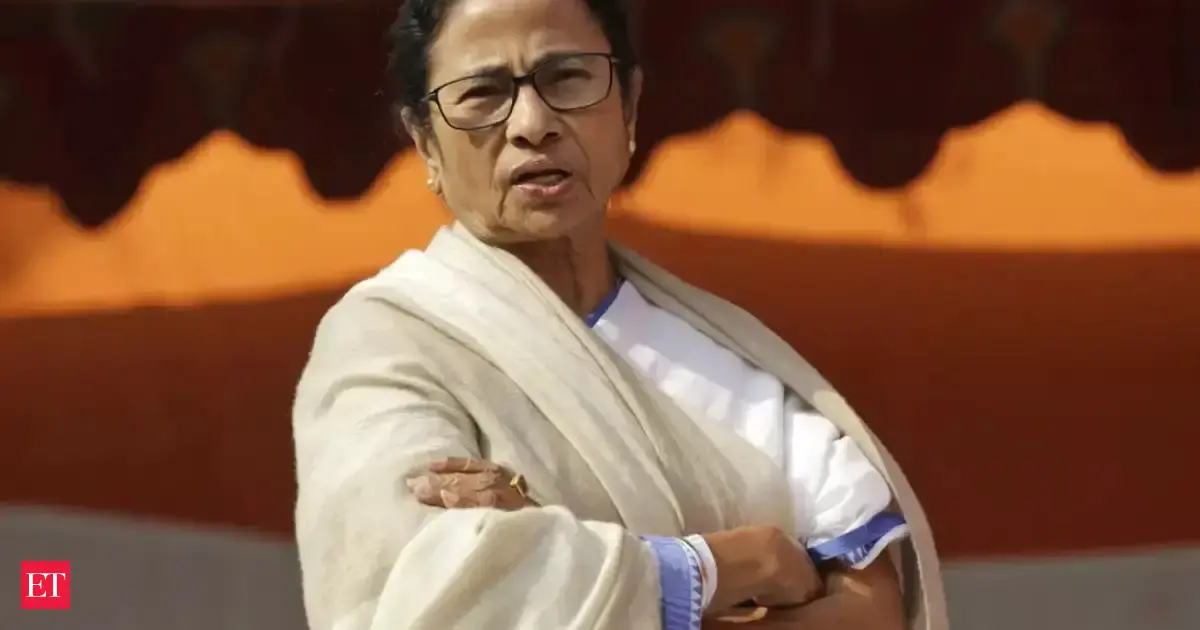
In politics, sudden demotions are rarely administrative; they are almost always political. The Aam Aadmi Party’s decision to remove Raghav Chadha as its deputy leader in the Rajya Sabha, coupled with the extraordinary step of asking the Chair not to allot him speaking time from the party’s quota, is not routine reshuffling. It carries the unmistakable imprint of internal discomfort, perhaps even insecurity. On paper, the move is procedural. AAP has written to the Rajya Sabha Secretariat proposing Ashok Mittal as the new deputy leader and seeking formalisation at the earliest. But politics is not played on paper; it is played in subtext. And the subtext here is loud. Raghav Chadha is not just another MP, but neither is his rise entirely organic or beyond criticism. Alongside his growing visibility, Chadha has frequently jumped on the bandwagon of attacking the Centre and those who oppose his brand of politics at every available opportunity, often aligning with AAP’s broader political strategy of confrontation. Yet, despite toeing this line, he now finds himself being sidelined. Perhaps, Chadha’s rise threatened the AAP’s power structures. Unlike many party functionaries who operate strictly within the leadership’s shadow, Chadha has successfully managed to put up a facade of an independent voice in Parliament, not weighed down by AAP’s brand of nasty politics against the Centre. To this end, he spoke on issues that resonated beyond partisan lines: menstrual hygiene, grassroots democracy distortions like the “sarpanch pati” phenomenon, and even the gig economy. His decision to spend a day as a delivery partner also cast him as an MP willing to talk on issues concerning vulnerable sections of society. It was political messaging of a kind that AAP once thrived on: performative concern. And that is precisely where the problem may lie. Because in tightly controlled political ecosystems, independent visibility can quickly be interpreted as a threat. AAP, despite its origins as an anti-establishment movement, has increasingly shown traits of a centralised command structure. Decision-making, messaging, and political positioning have become heavily leader-centric. In such an environment, a leader who begins to command attention on his own merit, especially in national forums like Parliament, can unsettle internal equations. Chadha’s trajectory over the past few years fits that description. He has been among the more polished parliamentary voices of the party, often gaining traction beyond AAP’s traditional support base. His interventions were not limited to attacking political opponents; they often addressed systemic issues, giving him a broader appeal. That kind of positioning, while beneficial for a party in expansion mode, can become inconvenient if it begins to shift internal power balances. And here lies the more uncomfortable question: has Chadha’s rise begun to cast a shadow on the very leadership that built the party? For years, Arvind Kejriwal has been the undisputed face of AAP, the central axis around which its politics, messaging, and electoral strategy revolve. From the anti-corruption movement days to forming a government in Delhi, Kejriwal cultivated not just a leadership position, but a personality-centric political brand. At various points, his ambitions were not confined to Delhi; they extended to the national stage, with clear signals that he envisioned himself as a potential Prime Ministerial contender. In such a framework, the emergence of a young and independent parliamentarian like Raghav Chadha presents a paradox. Despite being loyal to AAP and its ideology, Chadha has been demoted by the AAP after being removed as the Rajya Sabha deputy leader. Chadha’s growing visibility, especially in Parliament and national media, has the potential to dilute the singularity of Kejriwal’s positioning as AAP’s primary face. Unlike many second-rung leaders who derive their relevance entirely from proximity to the top leadership, Chadha has begun to command attention on his own terms. Issues raised by him were seen as those he felt individually and not what AAP represented. For a leadership model that thrives on centralised authority and a clearly defined “face,” this can be unsettling. The decision to not just remove him from a leadership role but also to restrict his speaking opportunities is particularly telling. Parliamentary speaking time is political capital. It determines visibility, relevance, and influence. By asking that Chadha not be allotted time from AAP’s quota, the party is effectively curbing his ability to remain a prominent voice in the Upper House. This is not mere sidelining; it is containment. If one were to read between the lines, it begins to look less like organisational restructuring and more like a pre-emptive move to ensure that no alternative power centre begins to emerge within the party. In political ecosystems dominated
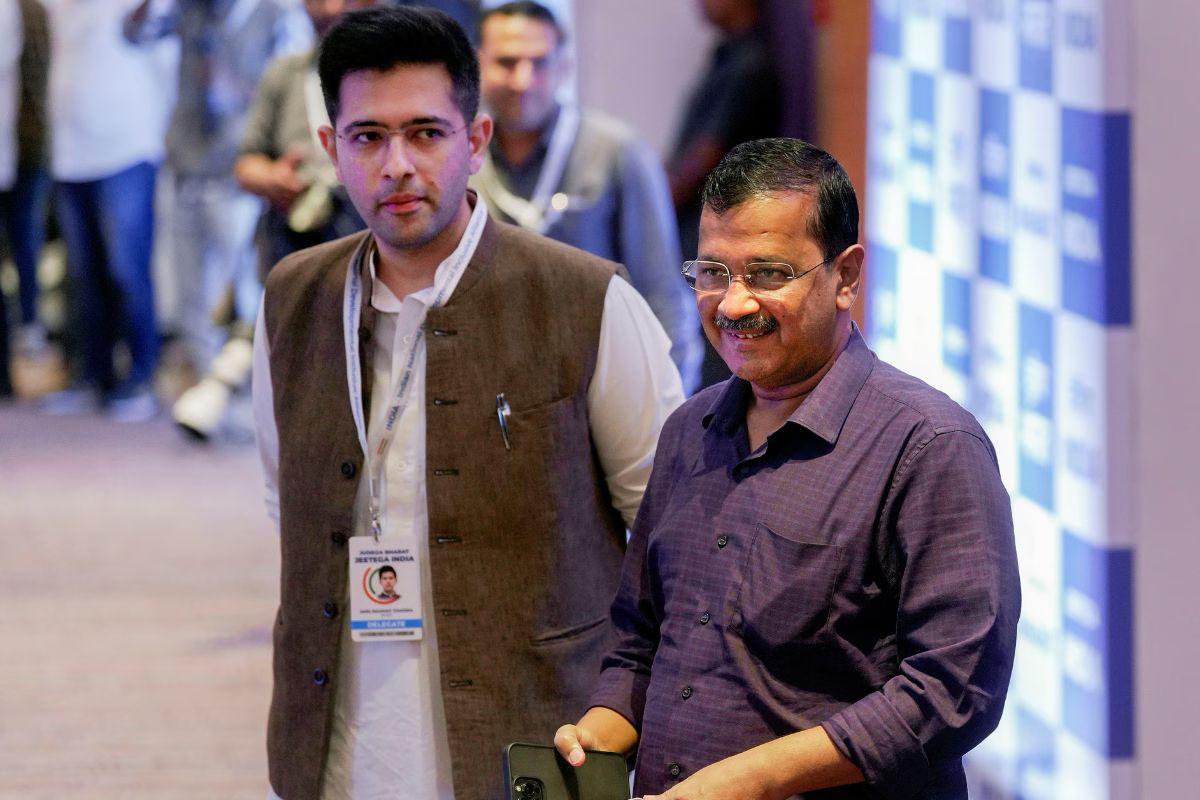
In politics, sudden demotions are rarely administrative; they are almost always political. The Aam Aadmi Party’s decision to remove Raghav Chadha as its deputy leader in the Rajya Sabha, coupled with the extraordinary step of asking the Chair not to allot him speaking time from the party’s quota, is not routine reshuffling. It carries the unmistakable imprint of internal discomfort, perhaps even insecurity.
On paper, the move is procedural. AAP has written to the Rajya Sabha Secretariat proposing Ashok Mittal as the new deputy leader and seeking formalisation at the earliest. But politics is not played on paper; it is played in subtext. And the subtext here is loud.
Raghav Chadha is not just another MP, but neither is his rise entirely organic or beyond criticism. Alongside his growing visibility, Chadha has frequently jumped on the bandwagon of attacking the Centre and those who oppose his brand of politics at every available opportunity, often aligning with AAP’s broader political strategy of confrontation. Yet, despite toeing this line, he now finds himself being sidelined.
Perhaps, Chadha’s rise threatened the AAP’s power structures.
Unlike many party functionaries who operate strictly within the leadership’s shadow, Chadha has successfully managed to put up a facade of an independent voice in Parliament, not weighed down by AAP’s brand of nasty politics against the Centre. To this end, he spoke on issues that resonated beyond partisan lines: menstrual hygiene, grassroots democracy distortions like the “sarpanch pati” phenomenon, and even the gig economy. His decision to spend a day as a delivery partner also cast him as an MP willing to talk on issues concerning vulnerable sections of society. It was political messaging of a kind that AAP once thrived on: performative concern.
And that is precisely where the problem may lie.
Because in tightly controlled political ecosystems, independent visibility can quickly be interpreted as a threat.
AAP, despite its origins as an anti-establishment movement, has increasingly shown traits of a centralised command structure. Decision-making, messaging, and political positioning have become heavily leader-centric. In such an environment, a leader who begins to command attention on his own merit, especially in national forums like Parliament, can unsettle internal equations.
Chadha’s trajectory over the past few years fits that description. He has been among the more polished parliamentary voices of the party, often gaining traction beyond AAP’s traditional support base. His interventions were not limited to attacking political opponents; they often addressed systemic issues, giving him a broader appeal.
That kind of positioning, while beneficial for a party in expansion mode, can become inconvenient if it begins to shift internal power balances.
And here lies the more uncomfortable question: has Chadha’s rise begun to cast a shadow on the very leadership that built the party?
For years, Arvind Kejriwal has been the undisputed face of AAP, the central axis around which its politics, messaging, and electoral strategy revolve. From the anti-corruption movement days to forming a government in Delhi, Kejriwal cultivated not just a leadership position, but a personality-centric political brand. At various points, his ambitions were not confined to Delhi; they extended to the national stage, with clear signals that he envisioned himself as a potential Prime Ministerial contender.
In such a framework, the emergence of a young and independent parliamentarian like Raghav Chadha presents a paradox.
Despite being loyal to AAP and its ideology, Chadha has been demoted by the AAP after being removed as the Rajya Sabha deputy leader.
Chadha’s growing visibility, especially in Parliament and national media, has the potential to dilute the singularity of Kejriwal’s positioning as AAP’s primary face. Unlike many second-rung leaders who derive their relevance entirely from proximity to the top leadership, Chadha has begun to command attention on his own terms. Issues raised by him were seen as those he felt individually and not what AAP represented.
For a leadership model that thrives on centralised authority and a clearly defined “face,” this can be unsettling.
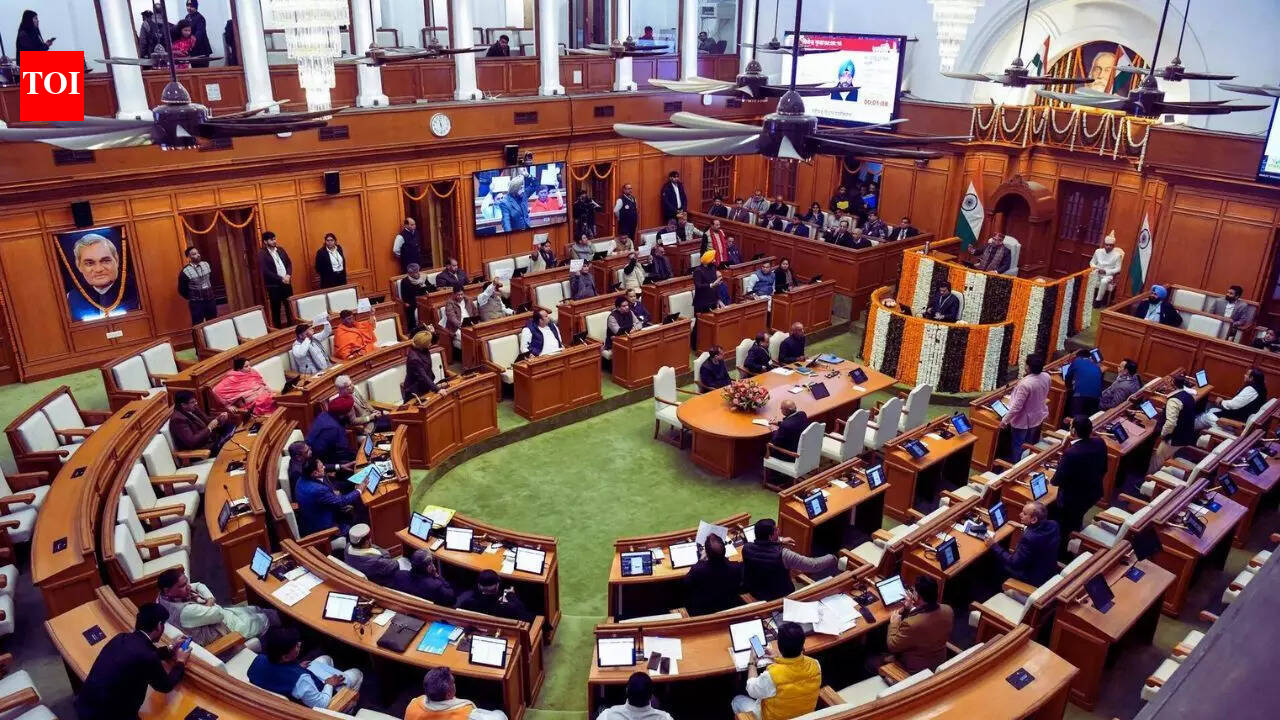
The decision to not just remove him from a leadership role but also to restrict his speaking opportunities is particularly telling. Parliamentary speaking time is political capital. It determines visibility, relevance, and influence. By asking that Chadha not be allotted time from AAP’s quota, the party is effectively curbing his ability to remain a prominent voice in the Upper House.
This is not mere sidelining; it is containment.
If one were to read between the lines, it begins to look less like organisational restructuring and more like a pre-emptive move to ensure that no alternative power centre begins to emerge within the party. In political ecosystems dominated by a single towering figure, the rise of any other leader can often trigger defensive responses, often in the form of demotion. It also explains why so many prominent political figures have eventually left AAP.
Chadha’s removal bears the hallmarks of such a moment.
The elevation of Ashok Mittal, a relatively low-profile figure compared to Chadha, further reinforces this reading. It suggests a preference for predictability over prominence.
None of this conclusively proves intent. But politics is rarely about explicit admissions; it is about patterns. And the pattern here, a rising leader being stripped of both position and voice, aligns too closely with classic political containment to be dismissed as a coincidence.
For Raghav Chadha, the message is clear: visibility without central approval has limits.
For Arvind Kejriwal, if this reading holds, it reflects a familiar dilemma in personality-driven politics, the challenge of nurturing leadership without diluting one’s own dominance.
And for AAP, the episode may well mark a subtle but significant shift: from being a party that once claimed to empower new voices, to one that appears increasingly cautious of them. Because when a new leader begins to “steal thunder” in a system built around a single face, the response is rarely applause.
More often than not, it is the quiet, calculated clipping of wings.