Congress govt in Karnataka moves to implement sub-categorisation of Scheduled Castes, two years after the Supreme Court’s order
The Congress government in Karnataka has moved to implement sub-categorisation within the Scheduled Caste (SC) quota, with the state Cabinet approving the decision on Friday, 24th April. The move marks a policy shift in how reservation benefits are distributed among different SC communities in the state. VIDEO | Bengaluru, Karnataka: "It is a model for the entire country; we have taken a historic decision today," says Karnataka CM Siddaramaiah after Cabinet approves internal quota for Scheduled Castes.(Full video available on PTI Videos – https://t.co/n147TvrpG7)#Karnataka pic.twitter.com/FQj3bHcKf9— Press Trust of India (@PTI_News) April 24, 2026 Chief Minister Siddaramaiah described the decision as a “historic” step, saying it aims to address long-standing demands from various communities. The Cabinet approved a revised internal reservation formula of 5.25%: 5.25%: 4.5% within the existing 15% quota for Scheduled Castes. The decision was taken unanimously, based on the recommendations of a technical committee led by the Chief Secretary. ಒಳಮೀಸಲಾತಿ ಹಂಚಿಕೆ ಸಂಬಂಧ ಇಂದು ನಡೆದ ಸಚಿವ ಸಂಪುಟ ಸಭೆಯಲ್ಲಿ ಅಲೆಮಾರಿ ಜಾತಿಗಳಿಗೂ ನ್ಯಾಯಯುತ ಪಾಲು ನೀಡುವ ಮೂಲಕ ಪರಿಶಿಷ್ಟ ಜಾತಿಗಳಲ್ಲಿನ ಎಲ್ಲಾ ಉಪಜಾತಿಗಳಿಗೂ ಅರ್ಹ ಪ್ರಾತಿನಿಧ್ಯ ಕಲ್ಪಿಸಿಕೊಡಲಾಗಿದೆ. ಪರಿಶಿಷ್ಟ ಜಾತಿಯ ಶೇ.15ರ ಮೀಸಲಾತಿಯಲ್ಲಿ ಪ್ರವರ್ಗ ಎ, ಬಿ ಮತ್ತು ಸಿ ಗೆ ಕ್ರಮವಾಗಿ 5.25%, 5.25% & 4.5% ಹಂಚಿಕೆ… pic.twitter.com/mtRNyCN1ad— CM of Karnataka (@CMofKarnataka) April 24, 2026 How the sub-categorisation will work Under the new arrangement, the government has divided the 101 sub-castes within the Scheduled Castes into three main groups. The formula they settled on is 5.25%: 5.25%: 4.5%. Here is how it breaks down: Group A (SC Left): This group, which includes the Madiga community and allied castes, has been allocated 5.25%. Group B (SC Right): The Holeya community and allied groups have also been given 5.25%. Group C (Others & Nomadic): This category includes the Bhovi, Lambani, Koracha, and Korma communities, along with 59 Alemari (nomadic) castes, receiving a total of 4.5%. This replaces the earlier 6:6:5 formula that had been proposed but ran into legal and procedural hurdles. The revised percentages have been adjusted to ensure compliance with the Supreme Court-mandated 50% cap on total reservations. At the same time, however, the government has decided to open up competition among all 101 SC castes in the state for all categories, especially those for the higher posts of assistant professors and assistant engineers. Officials said this move will also facilitate the quick filling up of more than 56,000 vacancies in various departments of the state government. Legal challenges and policy adjustments Earlier attempts at sub-categorisation faced legal hurdles when the total percentage of reservations in the state went beyond 50%, with the combined reservations for SCs and STs being around 56%. Previously, a single-person committee chaired by retired High Court Justice H.N. Nagamohan Das had proposed a wide categorisation scheme ranging from Group A to E. Even though the government had implemented the committee’s suggestions into a law, there was some confusion regarding the roster system. Moreover, litigation was filed in the court by the Alemari caste group. The current cabinet resolution aims to resolve the above issues through sub-categorisation within the legal framework. Supreme Court judgment opens the door The Karnataka government’s move comes in the backdrop of a landmark judgment by the Supreme Court on 1st August, 2024. In a 6-1 majority ruling, a seven-judge bench led by the then Chief Justice of India, D.Y. Chandrachud, declared that states have the power to sub-classify Scheduled Castes and Scheduled Tribes based on levels of backwardness. This judgment overturned the earlier 2004 ruling in the E.V. Chinnaiah case, which had treated SCs as a single, homogeneous group that could not be divided further for reservation purposes. The Supreme Court basically said that the “Scheduled Caste” list isn’t a single, uniform block. History shows that some groups within that list have remained much more backward than others. The court held that sub-classification does not violate Article 14 (right to equality) or Article 341 of the Constitution. The judges even argued that sub-classification actually helps fulfil the promise of equality under Article 14 of the Constitution. Justice B.R. Gavai, the only Dalit judge on the bench, also underlined that the benefits of reservation have not reached all sections equally, and that more disadvantaged groups may require targeted support. What sub-categorisation means in practice The Supreme Court’s ruling has given states greater flexibility to design reservation policies that address internal inequalities within SC and ST communities. The idea behind sub-categorisation is to ensure that benefits do not remain concentrated among relatively better-off groups within these categories. In practic
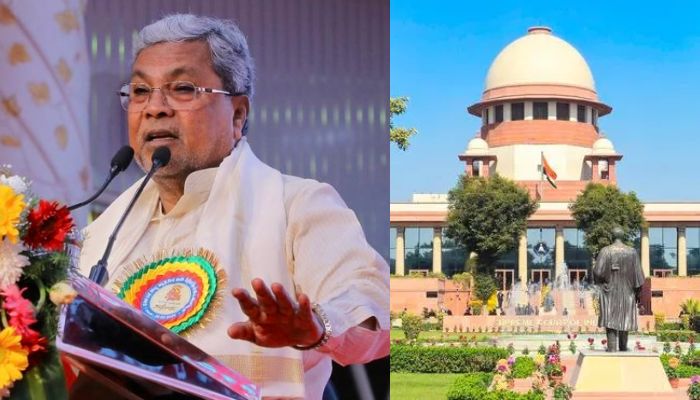
The Congress government in Karnataka has moved to implement sub-categorisation within the Scheduled Caste (SC) quota, with the state Cabinet approving the decision on Friday, 24th April. The move marks a policy shift in how reservation benefits are distributed among different SC communities in the state.
VIDEO | Bengaluru, Karnataka: "It is a model for the entire country; we have taken a historic decision today," says Karnataka CM Siddaramaiah after Cabinet approves internal quota for Scheduled Castes.(Full video available on PTI Videos – https://t.co/n147TvrpG7)#Karnataka pic.twitter.com/FQj3bHcKf9— Press Trust of India (@PTI_News) April 24, 2026
Chief Minister Siddaramaiah described the decision as a “historic” step, saying it aims to address long-standing demands from various communities. The Cabinet approved a revised internal reservation formula of 5.25%: 5.25%: 4.5% within the existing 15% quota for Scheduled Castes. The decision was taken unanimously, based on the recommendations of a technical committee led by the Chief Secretary.
ಒಳಮೀಸಲಾತಿ ಹಂಚಿಕೆ ಸಂಬಂಧ ಇಂದು ನಡೆದ ಸಚಿವ ಸಂಪುಟ ಸಭೆಯಲ್ಲಿ ಅಲೆಮಾರಿ ಜಾತಿಗಳಿಗೂ ನ್ಯಾಯಯುತ ಪಾಲು ನೀಡುವ ಮೂಲಕ ಪರಿಶಿಷ್ಟ ಜಾತಿಗಳಲ್ಲಿನ ಎಲ್ಲಾ ಉಪಜಾತಿಗಳಿಗೂ ಅರ್ಹ ಪ್ರಾತಿನಿಧ್ಯ ಕಲ್ಪಿಸಿಕೊಡಲಾಗಿದೆ. ಪರಿಶಿಷ್ಟ ಜಾತಿಯ ಶೇ.15ರ ಮೀಸಲಾತಿಯಲ್ಲಿ ಪ್ರವರ್ಗ ಎ, ಬಿ ಮತ್ತು ಸಿ ಗೆ ಕ್ರಮವಾಗಿ 5.25%, 5.25% & 4.5% ಹಂಚಿಕೆ… pic.twitter.com/mtRNyCN1ad— CM of Karnataka (@CMofKarnataka) April 24, 2026
How the sub-categorisation will work
Under the new arrangement, the government has divided the 101 sub-castes within the Scheduled Castes into three main groups. The formula they settled on is 5.25%: 5.25%: 4.5%. Here is how it breaks down:
Group A (SC Left): This group, which includes the Madiga community and allied castes, has been allocated 5.25%.
Group B (SC Right): The Holeya community and allied groups have also been given 5.25%.
Group C (Others & Nomadic): This category includes the Bhovi, Lambani, Koracha, and Korma communities, along with 59 Alemari (nomadic) castes, receiving a total of 4.5%.
This replaces the earlier 6:6:5 formula that had been proposed but ran into legal and procedural hurdles. The revised percentages have been adjusted to ensure compliance with the Supreme Court-mandated 50% cap on total reservations.
At the same time, however, the government has decided to open up competition among all 101 SC castes in the state for all categories, especially those for the higher posts of assistant professors and assistant engineers. Officials said this move will also facilitate the quick filling up of more than 56,000 vacancies in various departments of the state government.
Legal challenges and policy adjustments
Earlier attempts at sub-categorisation faced legal hurdles when the total percentage of reservations in the state went beyond 50%, with the combined reservations for SCs and STs being around 56%.
Previously, a single-person committee chaired by retired High Court Justice H.N. Nagamohan Das had proposed a wide categorisation scheme ranging from Group A to E. Even though the government had implemented the committee’s suggestions into a law, there was some confusion regarding the roster system. Moreover, litigation was filed in the court by the Alemari caste group.
The current cabinet resolution aims to resolve the above issues through sub-categorisation within the legal framework.
Supreme Court judgment opens the door
The Karnataka government’s move comes in the backdrop of a landmark judgment by the Supreme Court on 1st August, 2024. In a 6-1 majority ruling, a seven-judge bench led by the then Chief Justice of India, D.Y. Chandrachud, declared that states have the power to sub-classify Scheduled Castes and Scheduled Tribes based on levels of backwardness.
This judgment overturned the earlier 2004 ruling in the E.V. Chinnaiah case, which had treated SCs as a single, homogeneous group that could not be divided further for reservation purposes.
The Supreme Court basically said that the “Scheduled Caste” list isn’t a single, uniform block. History shows that some groups within that list have remained much more backward than others.
The court held that sub-classification does not violate Article 14 (right to equality) or Article 341 of the Constitution. The judges even argued that sub-classification actually helps fulfil the promise of equality under Article 14 of the Constitution.
Justice B.R. Gavai, the only Dalit judge on the bench, also underlined that the benefits of reservation have not reached all sections equally, and that more disadvantaged groups may require targeted support.
What sub-categorisation means in practice
The Supreme Court’s ruling has given states greater flexibility to design reservation policies that address internal inequalities within SC and ST communities. The idea behind sub-categorisation is to ensure that benefits do not remain concentrated among relatively better-off groups within these categories.
In practical terms, by allowing sub-categorisation, the court is trying to ensure that the “creamy layer” (those who have already advanced significantly) doesn’t corner all the opportunities, leaving nothing for the most disadvantaged. However, the court also warned that this shouldn’t be done for political reasons. States must have empirical data, hard facts and figures, to prove that certain sub-groups are actually under-represented before they can change the quotas.
However, the issue remains sensitive, as it involves balancing competing demands within already marginalised communities. Questions around fairness, representation, and implementation continue to be debated.
A long history of legal debate over sub categorisation
The debate over sub-categorisation has a long legal history. It all started back in 1975 when the Punjab government tried to reserve half of its SC quota specifically for the Balmikis and Mazhabi Sikhs, who were seen as the most deprived.
This move was challenged, leading to the 2004 E.V. Chinnaiah judgment, where the Supreme Court blocked such efforts, saying only the President (under Article 341) could define the SC list and states couldn’t tinker with it.
For years, this 2004 ruling acted like a “stop sign” for any state trying to implement internal quotas.
But the pressure continued to build. In 2014, a smaller bench of the Supreme Court felt the Chinnaiah ruling might be wrong and referred the matter to a larger bench.
This eventually led to the case of State of Punjab v. Davinder Singh, in which a seven-judge bench delivered its verdict in August 2024, effectively reversing the earlier position and allowing sub-classification.
The central issue has been whether all SC communities are equally placed or whether some remain more disadvantaged than others despite existing reservation policies. The Supreme Court ruling has tilted the balance in favour of recognising these internal differences.