From the 1940s, multiflora rose was widely planted as a living fence; the thorny shrub now infests millions of acres across the eastern US
Multiflora rose, promoted for erosion control, now aggressively invades eastern United States woodlands. This thorny shrub forms dense thickets, crowding out native plants and disrupting local ecosystems. A mature plant produces millions of seeds, which birds and animals disperse widely. Controlling this invasive species requires a targeted approach, addressing both roots and seeds. Cooperative efforts and community awareness are essential for effective long-term eradication.
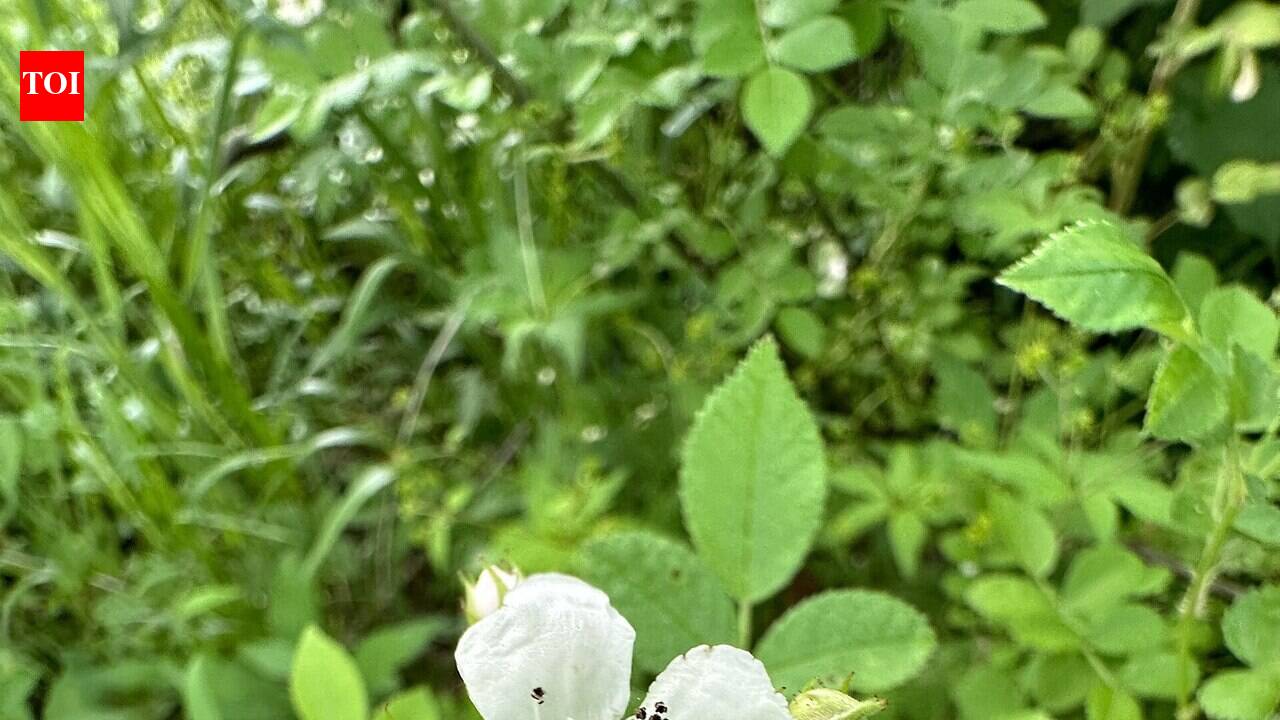
Multiflora rose, promoted for erosion control, now aggressively invades eastern United States woodlands. This thorny shrub forms dense thickets, crowding out native plants and disrupting local ecosystems. A mature plant produces millions of seeds, which birds and animals disperse widely. Controlling this invasive species requires a targeted approach, addressing both roots and seeds. Cooperative efforts and community awareness are essential for effective long-term eradication.