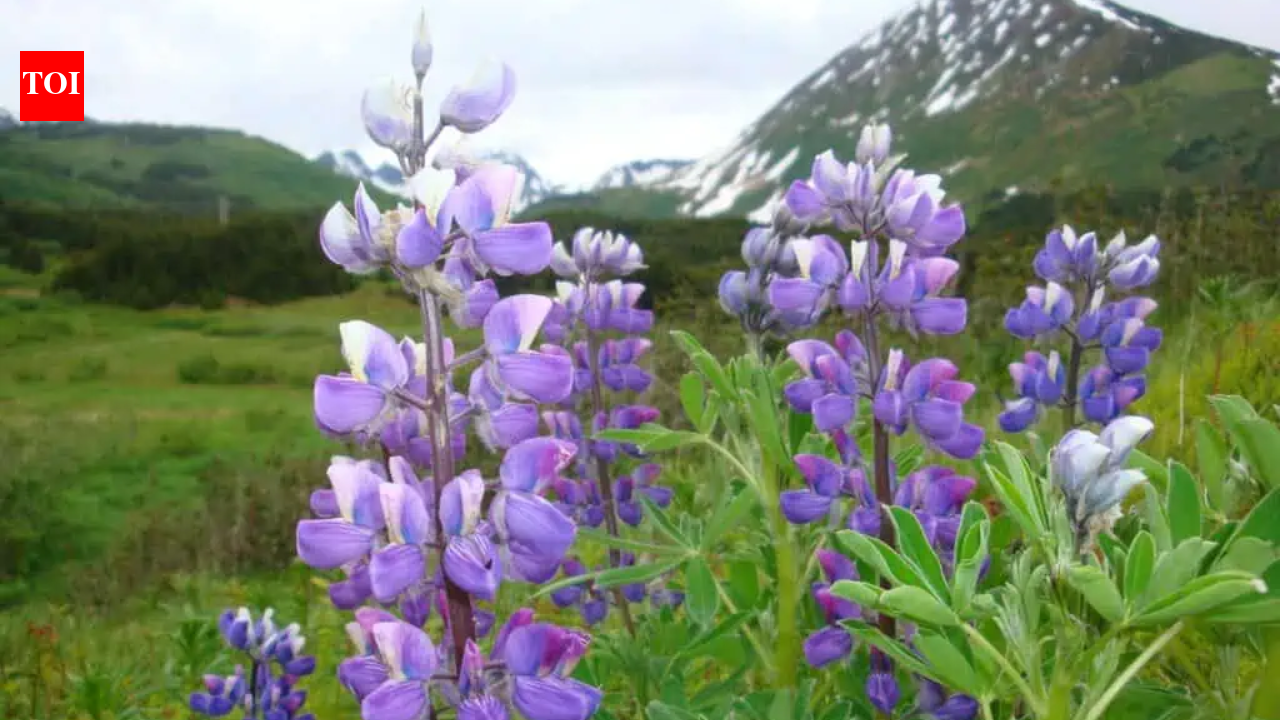
In 1945, Iceland planted Alaskan lupins to repair eroded soil and prepare land for forests; decades later, the purple plant was classified as an invasive threat
Alaskan lupins were introduced to Iceland to combat soil erosion and reforestation efforts. These flowers now dominate landscapes, reducing native plant diversity significantly. Scientists predict warming temperatures will further accelerate lupin expansion across Iceland. The plant's nitrogen-fixing ability benefits degraded soils but harms natural ecosystems. This situation highlights the complex challenges of ecological restoration projects.
Alaskan lupins were introduced to Iceland to combat soil erosion and reforestation efforts. These flowers now dominate landscapes, reducing native plant diversity significantly. Scientists predict warming temperatures will further accelerate lupin expansion across Iceland. The plant's nitrogen-fixing ability benefits degraded soils but harms natural ecosystems. This situation highlights the complex challenges of ecological restoration projects.