In 1987, Victoria began an A$26 million experiment inside a mountain ash forest; three decades later, the results surprised researchers
In a pioneering study within Victoria's mountain ash forests, surprising findings have emerged over extended periods. Intense thinning of trees fostered lush growth and increased diameters in the surviving trees. These enhanced specimens exhibit greater fire resilience and are likely to create hollows for various wildlife. Interestingly, Leadbeater's possums thrived in thinned and acacia zones, absent from untouched areas. This indicates that forest thinning may yield substantial ecological advantages.
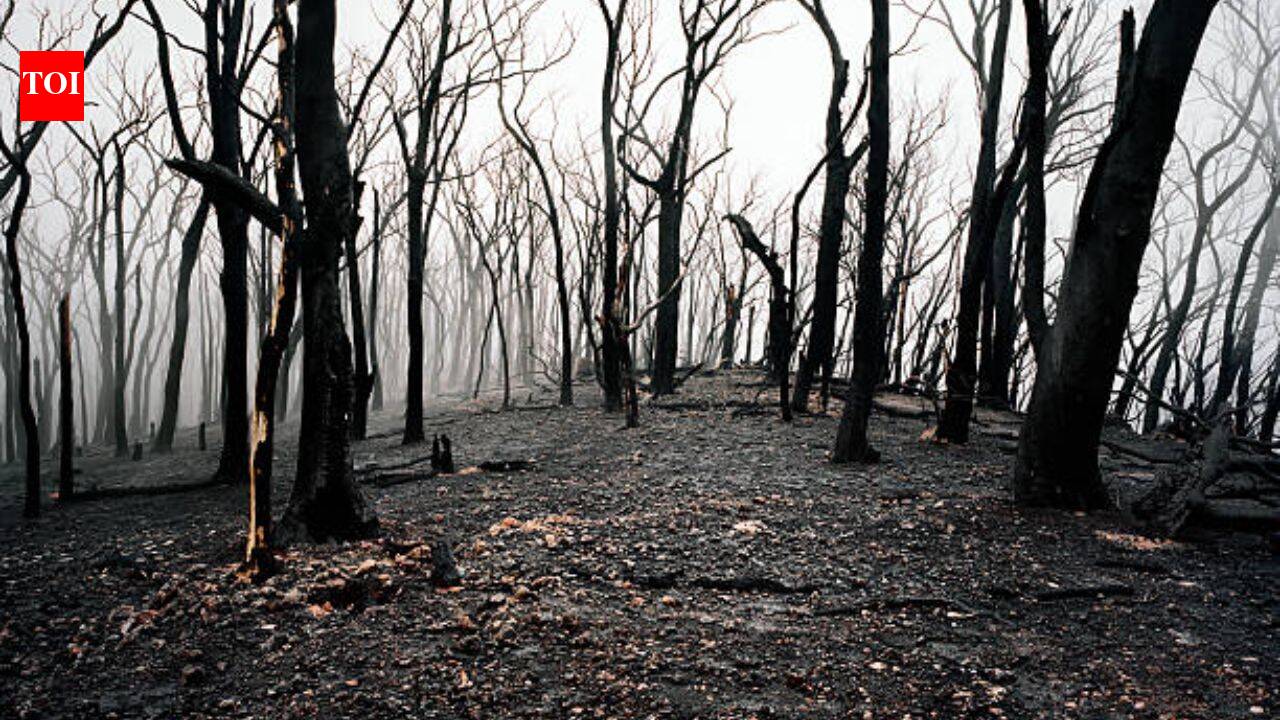
In a pioneering study within Victoria's mountain ash forests, surprising findings have emerged over extended periods. Intense thinning of trees fostered lush growth and increased diameters in the surviving trees. These enhanced specimens exhibit greater fire resilience and are likely to create hollows for various wildlife. Interestingly, Leadbeater's possums thrived in thinned and acacia zones, absent from untouched areas. This indicates that forest thinning may yield substantial ecological advantages.