In the 1600s, European settlers carried pigeons to America for human needs; escaped domestic birds later became the street pigeons seen across cities
Pigeons once served humans as food and messengers, which led to their domestication. Escaped domestic birds adapted to urban environments, becoming feral survivors. These birds retain traits humans selectively bred for centuries ago. Their presence in cities reflects a long history of human and animal interdependence. Today's urban pigeons are a legacy of past human decisions and animal adaptation.
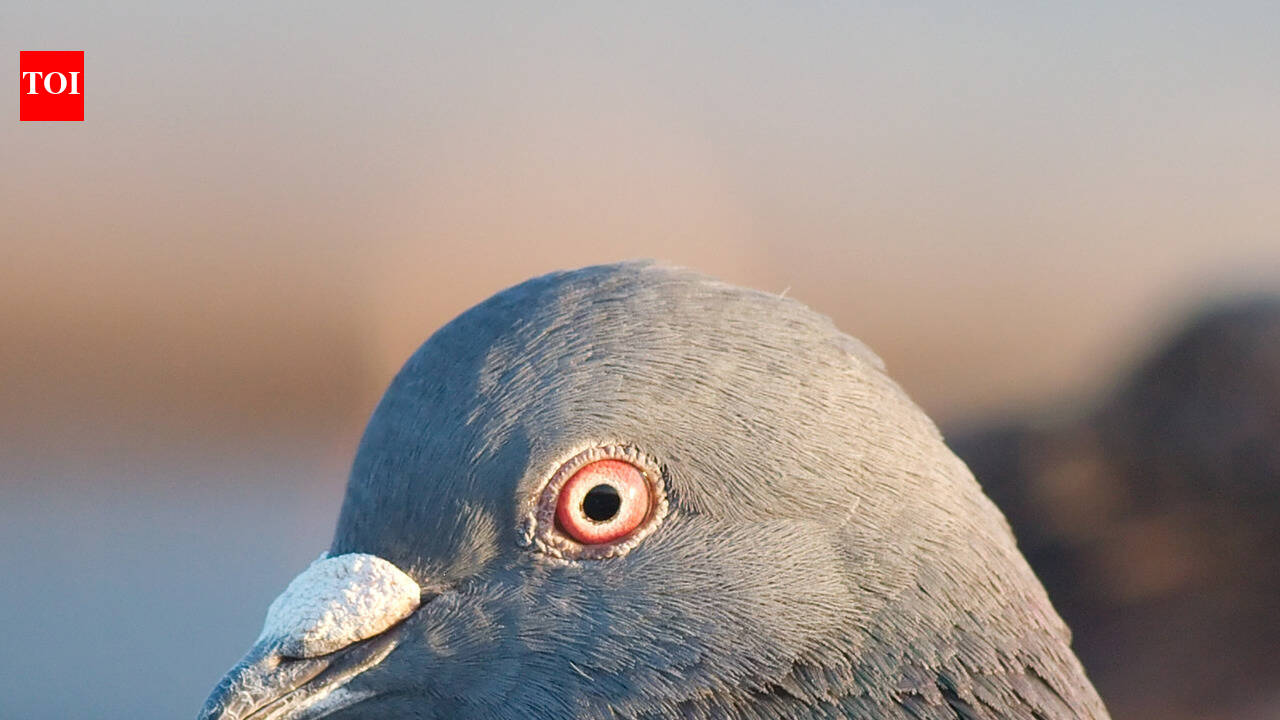
Pigeons once served humans as food and messengers, which led to their domestication. Escaped domestic birds adapted to urban environments, becoming feral survivors. These birds retain traits humans selectively bred for centuries ago. Their presence in cities reflects a long history of human and animal interdependence. Today's urban pigeons are a legacy of past human decisions and animal adaptation.