In the 1930s, America introduced African buffelgrass to feed cattle and control erosion; it is now turning Arizona's fire-resistant desert into flammable grassland
Buffelgrass, introduced for pasture, now threatens Arizona's Sonoran Desert ecosystem. This invasive grass forms dense thickets, increasing wildfire frequency and intensity. Native plants struggle to recover after fires, while buffelgrass thrives and spreads. Controlling this persistent grass requires extensive cooperation and early detection efforts. Conservationists work to protect vulnerable habitats from its damaging ecological impact.
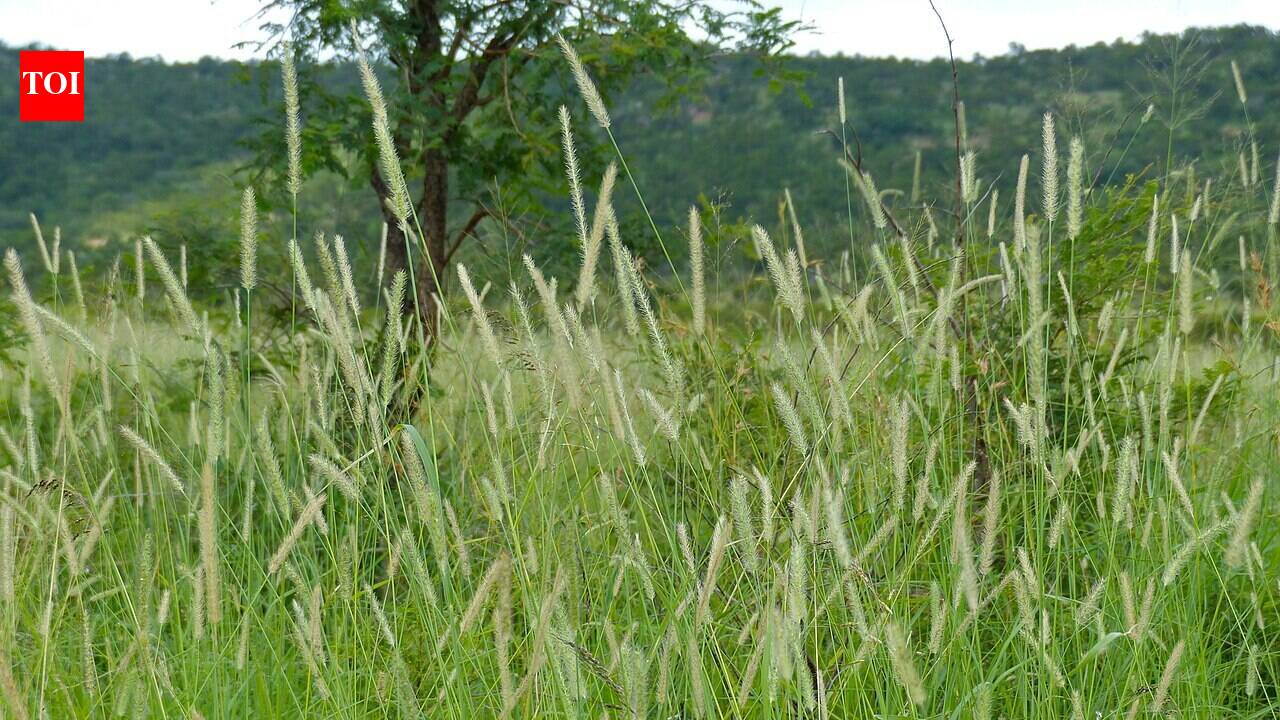
Buffelgrass, introduced for pasture, now threatens Arizona's Sonoran Desert ecosystem. This invasive grass forms dense thickets, increasing wildfire frequency and intensity. Native plants struggle to recover after fires, while buffelgrass thrives and spreads. Controlling this persistent grass requires extensive cooperation and early detection efforts. Conservationists work to protect vulnerable habitats from its damaging ecological impact.