Is it just Muslims Vs Christians in Nigeria? Beyond the rhetoric, there is a quiet resource war reshaping Africa
The story everyone thinks they know When the first bullets were fired on a Sunday morning in central Nigeria, the church was already packed. The worshippers arrived early. There were still several people standing in the aisles. Men were lowering their heads in prayer, ladies were fixing headscarves, and children were fidgeting. Hymns, scripture, and the well-known beat of a community that had endured far worse than a long sermon were all expected to be part of the ordinary service.Then gunfire broke through the song. By the time it was all over, the pews were broken, the floor was stained, and families were screaming names into the smoke as they ran outside. Tragically, many people are aware of the violence in Nigerian churches, both domestically and through numerous media outlets, and it is nearly always depicted in terms of religion. The story was written for the whole world in a matter of hours. ‘Islamist militants attack Christian church’, ‘Religious violence escalates in Nigeria’, ‘Christian communities under siege’. The script is familiar. The violence in Nigeria is nearly always presented as a conflict between Islam and Christianity, an alleged long running conflict that takes place in both megacities and African villages. According to this perspective, the nation’s misfortunes are straightforward yet tragic, believers vs unbelievers. If you stop there, the story appears to make sense. However, a much more nuanced picture starts to take shape if you look a bit closer at the locations of the attacks, what lies beneath those bloodied villages, and which foreign players have recently been hovering. Because Nigeria is more than just the most populated country in Africa. It is more than a religiously divided nation. It is becoming one of the planet’s most strategically important locations. Where there is oil.. Oil, which has long been recognised and exploited, is found beneath its soil. Apart from oil, however, are enormous, undeveloped reserves of lithium, gold, nickel, cobalt, rare earth elements, and other vital minerals that are essential to the technologies altering the world economy. Nigeria is directly in the sights of international rivals vying for influence and access due to its location in this larger resource landscape. These rocks are not your usual ones. They are the fundamental components of power in the twenty first century. Satellites, renewable energy grids, electric cars, defence systems, and the digital infrastructure that supports contemporary life. Additionally, there are less and fewer places to obtain them worldwide.China has become a major player in West Africa’s resource frontier, investing billions in mining infrastructure throughout Nigeria, including more than $1.3 billion in lithium processing alone. The US has been changing its priorities at the same time. Washington announced a policy shift in late 2025 with the announcement of a new national strategy that prioritises Africa and its vital minerals over the Middle East’s century-old conflict zones.At the same time, traditional moral language has been restored in American political commentary, particularly in relation to religion. US President Donald Trump openly said that Nigeria poses an existential threat to Christianity, designated the nation as a ‘Country of Particular Concern’ due to alleged religious persecution, and even alluded to possible military actions that would be justified as defending Christians. Violence exists in Nigeria. There is no denying its suffering. However, the narrative that is most frequently given about it can be critically lacking. What if the conflict that everyone refers to as religious has nothing to do with religion? The simple story The narrative of violence in Nigeria appears to the majority of the world as Christians being attacked by Islamists in a long standing religious conflict that has been passed down through the centuries. It is an easy to understand story that can be easily adapted to the actual world. However, part of the issue is that simplicity. The data gathered by researchers and analysts, along with the realities on the ground, reveal a far more nuanced picture. There is more than just religious violence in Nigeria. There is no simple way to limit it to Islam vs. Christianity. To begin with, Islamist rebels such as Boko Haram and the Islamic State West Africa Province (ISWAP) have killed Muslims and attacked mosques in addition to targeting Christian communities. In addition to militant organisations, Fulani herders and nearby farming communities are frequently involved in violent conflicts, particularly in Nigeria’s Middle Belt. Scarce resources such as grazing pasture, water, food, and livelihood are the source of these disputes. The main conflicts are economic and environmental rather than religious, even though they occasionally overlap with religious identities (farmers are frequently Christian, and herders are frequently
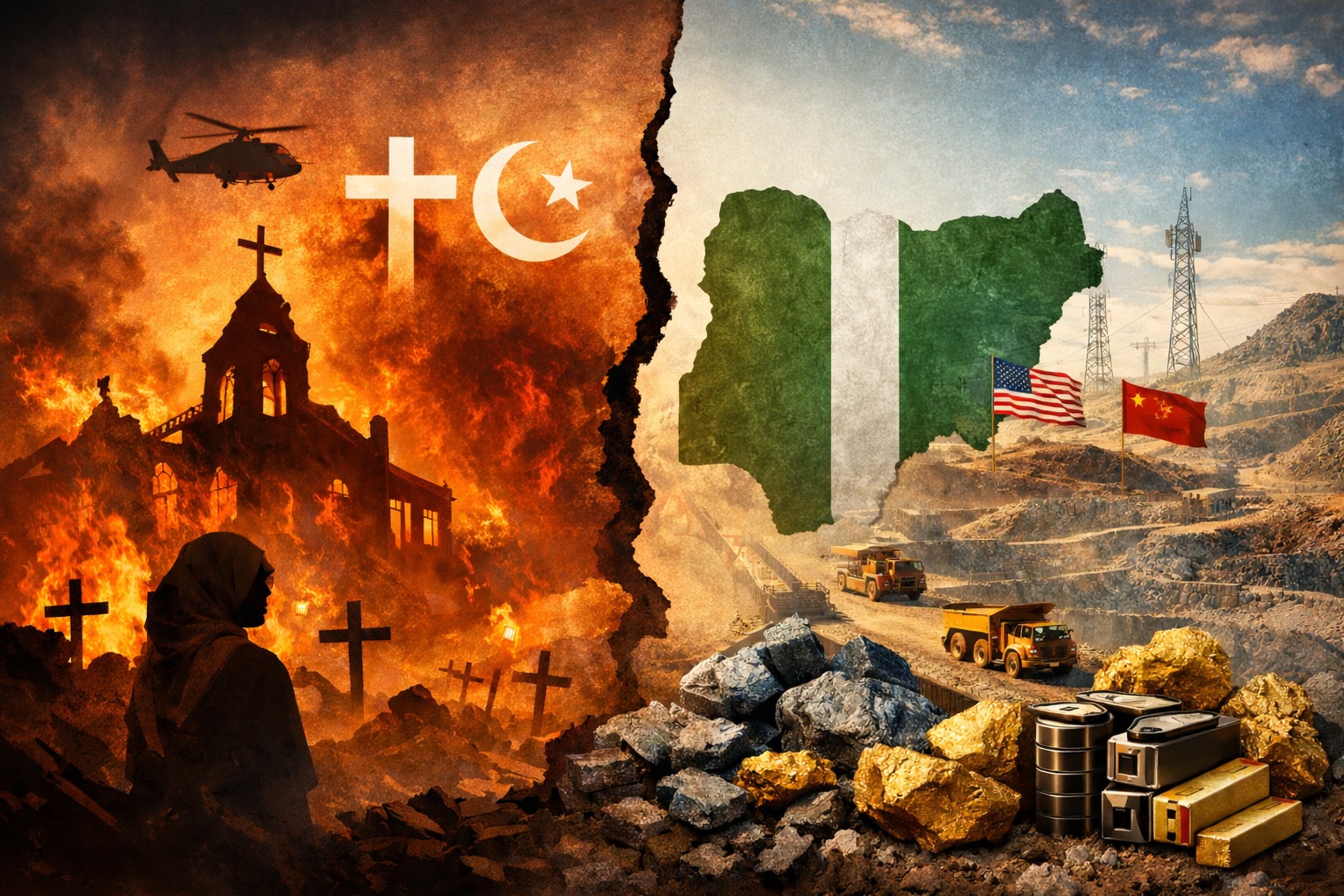

The story everyone thinks they know
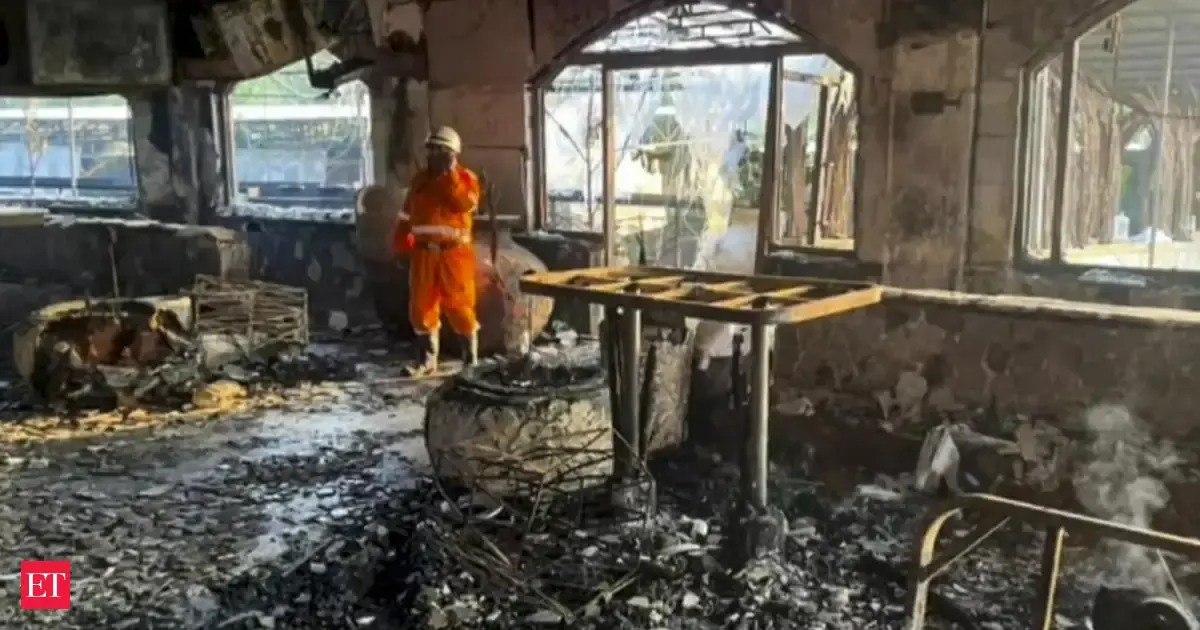
When the first bullets were fired on a Sunday morning in central Nigeria, the church was already packed. The worshippers arrived early. There were still several people standing in the aisles. Men were lowering their heads in prayer, ladies were fixing headscarves, and children were fidgeting. Hymns, scripture, and the well-known beat of a community that had endured far worse than a long sermon were all expected to be part of the ordinary service.
Then gunfire broke through the song. By the time it was all over, the pews were broken, the floor was stained, and families were screaming names into the smoke as they ran outside.
Tragically, many people are aware of the violence in Nigerian churches, both domestically and through numerous media outlets, and it is nearly always depicted in terms of religion.
The story was written for the whole world in a matter of hours. ‘Islamist militants attack Christian church’, ‘Religious violence escalates in Nigeria’, ‘Christian communities under siege’. The script is familiar. The violence in Nigeria is nearly always presented as a conflict between Islam and Christianity, an alleged long running conflict that takes place in both megacities and African villages. According to this perspective, the nation’s misfortunes are straightforward yet tragic, believers vs unbelievers.
If you stop there, the story appears to make sense.
However, a much more nuanced picture starts to take shape if you look a bit closer at the locations of the attacks, what lies beneath those bloodied villages, and which foreign players have recently been hovering. Because Nigeria is more than just the most populated country in Africa. It is more than a religiously divided nation. It is becoming one of the planet’s most strategically important locations.
Where there is oil..
Oil, which has long been recognised and exploited, is found beneath its soil. Apart from oil, however, are enormous, undeveloped reserves of lithium, gold, nickel, cobalt, rare earth elements, and other vital minerals that are essential to the technologies altering the world economy. Nigeria is directly in the sights of international rivals vying for influence and access due to its location in this larger resource landscape.
These rocks are not your usual ones. They are the fundamental components of power in the twenty first century. Satellites, renewable energy grids, electric cars, defence systems, and the digital infrastructure that supports contemporary life. Additionally, there are less and fewer places to obtain them worldwide.
China has become a major player in West Africa’s resource frontier, investing billions in mining infrastructure throughout Nigeria, including more than $1.3 billion in lithium processing alone.
The US has been changing its priorities at the same time. Washington announced a policy shift in late 2025 with the announcement of a new national strategy that prioritises Africa and its vital minerals over the Middle East’s century-old conflict zones.
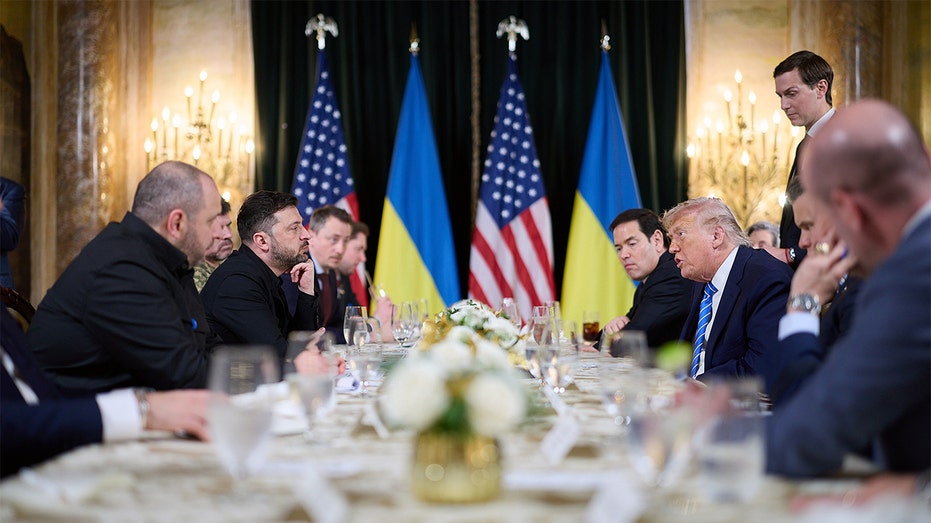
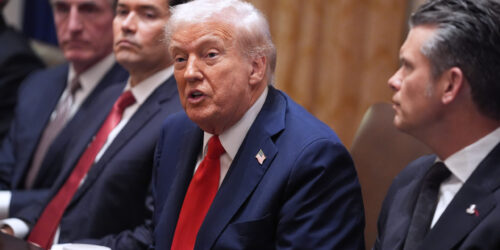
At the same time, traditional moral language has been restored in American political commentary, particularly in relation to religion. US President Donald Trump openly said that Nigeria poses an existential threat to Christianity, designated the nation as a ‘Country of Particular Concern’ due to alleged religious persecution, and even alluded to possible military actions that would be justified as defending Christians.
Violence exists in Nigeria. There is no denying its suffering. However, the narrative that is most frequently given about it can be critically lacking. What if the conflict that everyone refers to as religious has nothing to do with religion?
The simple story
The narrative of violence in Nigeria appears to the majority of the world as Christians being attacked by Islamists in a long standing religious conflict that has been passed down through the centuries. It is an easy to understand story that can be easily adapted to the actual world.
However, part of the issue is that simplicity. The data gathered by researchers and analysts, along with the realities on the ground, reveal a far more nuanced picture. There is more than just religious violence in Nigeria. There is no simple way to limit it to Islam vs. Christianity. To begin with, Islamist rebels such as Boko Haram and the Islamic State West Africa Province (ISWAP) have killed Muslims and attacked mosques in addition to targeting Christian communities.
In addition to militant organisations, Fulani herders and nearby farming communities are frequently involved in violent conflicts, particularly in Nigeria’s Middle Belt. Scarce resources such as grazing pasture, water, food, and livelihood are the source of these disputes. The main conflicts are economic and environmental rather than religious, even though they occasionally overlap with religious identities (farmers are frequently Christian, and herders are frequently Muslim).
What’s under the soil
The ground beneath Nigeria’s feet reveals a different picture, one of enormous economic and strategic significance, despite headlines portraying the country as divided along religious lines. Beyond oil and gas, Nigeria has a richness of minerals. The land was recognised for a variety of solid minerals even before hydrocarbons were found. Today, industry analysts, foreign governments, and even global powers are paying attention to unexplored deposits of critical minerals, such as those that power batteries, advanced electronics, renewable infrastructure, and defence systems.
A wealth of minerals not just oil
Nigeria has an abundance of natural resources, many of which are still underutilised in comparison to their potential. Widely dispersed throughout several states are gold, lead, zinc, coal, limestone, iron ore, barite, bitumen, and marble. Due to its use in energy storage and electric vehicle (EV) batteries, lithium, which was discovered more recently, has been found in a number of locations and has garnered international attention. Coltan, which is made up of columbite, tantalite, wolframite, and similar ores, contains elements like tantalum and niobium that are essential to the electronics and aerospace industries. Copper, nickel, manganese, cobalt, tin, and rare earth elements (REEs) are essential for advanced manufacturing, telecommunications, and clean technology. Rare earth elements may even be retrieved from industrial leftovers like coal fly ash, according to emerging studies, suggesting a wider potential than traditional mining data indicates.
These resources can be found in several different areas. For instance, there are signs of rare earth minerals in Bauchi and Plateau States, gold and columbite in Osun State, gold, nickel, and tin in Kaduna State, and lithium potential in Nasarawa and Kwara. Over 40 different solid mineral kinds have been found in Nigeria overall, according to different geological surveys. Scientists think this number may increase as more research is done.
Why these minerals matter
The importance of this hidden wealth is strategic rather than scientific. Critical minerals are a class of materials that are essential to many modern technologies, including electric cars, jet engines, wind turbines, and cellphones. These consist of tantalum, niobium, nickel, cobalt, lithium, and rare earth elements.
Lithium, for instance, is essential to battery technology. In defence systems, lasers, and permanent magnets, rare earths are essential. Precision electronics and superalloys both use tantalum and niobium. However, the majority of the world’s supply is concentrated in a small number of nations, particularly China, which also controls the majority of rare earth processing capacity. Western capitals are now gravely concerned about their reliance on overseas supply chains.
Untapped and underdeveloped
Nigeria’s mining industry has typically generated less than 1% of GDP, despite its potential. The majority of resources are exported unprocessed, with very little value addition and processing taking place at home. This underdevelopment is caused by policy gaps, regulatory ambiguity, infrastructure constraints, and inadequate geological mapping systems rather than a lack of resources. Nigerian analysts contend that changes to legal frameworks, investment incentives, and mineral policy might make the industry a major player on the world stage.
In an effort to retain more value domestically rather than exporting raw resources, the government also proposed new plans in 2025 to increase mining development and beneficiation.
This is the secret strategic significance of Nigeria. As the world moves towards cleaner energy, more sophisticated electronics, and faster computing technologies, it is racing for vital mineral supply chains. Nigeria has the potential to become a significant hub in this new global environment due to its size, population, geographic variety, and resource potential. Before we look at how international powers, from China to the United States, are changing their foreign policy towards Africa and Nigeria in particular, it is crucial to understand this hidden fortune.
From colonial extraction to corporate control
European colonisation established the economic underpinnings that continue to influence Nigeria’s resource landscape today, long before world powers started focussing their strategic attention on the country’s minerals.
Nigeria was not a single political entity at all. During the Scramble for Africa, which took place in the late 19th century as European powers divided the continent in an attempt to seize territory and raw riches, what would eventually become today’s borders were drawn. Between the 1880s and 1914, Britain formally took control of the area that would become Nigeria. Through treaties, wars, and the management of trading firms like the Royal Niger Company, it gradually consolidated its dominance.
Nigeria’s economy was restructured during British control in order to support the industrial engine of the empire. In order to feed British manufacturing and international markets, the colonial state gave priority to the extraction and export of minerals and agricultural products. Cash crops like palm oil, cocoa, groundnuts, and rubber goods that could be transported to Europe at a low cost replaced local subsistence farming and indigenous industry. Local food self-sufficiency was undermined by this system, which also reoriented the economy to meet metropole demands.
As a result, Nigeria’s mineral resources, such as the coal and tin mines on the Jos Plateau, were incorporated into the colonial economic system in a way that benefited foreign interests far more than domestic growth.
Even the discovery of oil, which is arguably the resource most closely linked to Nigeria today, has its roots in colonial economic practices. Multinational corporations were granted special access to Nigerian oil fields both before and after independence, and commercial oil drilling started during colonial rule in the 1930s. From Shell to BP, these businesses rose to prominence in the industry, influencing its economics, contracts, and infrastructure in ways that frequently favoured foreign corporate interests over those of Nigerian communities.
After independence in 1960, this pattern of foreign companies exploiting resources, reinvesting earnings abroad, and retaining operational control persisted. Rather, it changed.
Nigeria inherited resource-export-focused economic systems after gaining independence. Political flags were changed during early autonomy, but many economic incentives and dependencies persisted. After commercial production surged in the late 1950s and early 1960s, oil swiftly became a key component of the national economy. The export-oriented pattern of resource exploitation persisted, but the emphasis shifted away from other minerals.
Meanwhile, global companies, many of which were Western-based, continued to operate on a large scale. In Nigeria’s oil regions, their impact went beyond economics to include politics, government, and even social aspects. The colonial era resource extraction model had developed into a neocolonial corporate paradigm in which foreign capital, knowledge, and control extracted Nigeria’s wealth while local communities frequently paid the social and environmental costs.
These factors influenced political as well as economic outcomes throughout a large portion of the 20th century, laying the groundwork for ongoing conflicts over regional inequality, environmental degradation, and revenue distribution.
In other words, colonialism’s extractive logic never really left Nigeria. It just took on a different form. Multinational corporations and foreign governments use contracts, joint ventures, and strategic alliances to exert influence rather than empires deploying soldiers and officials. Although the objectives may differ, profit and geopolitical influence rather than empire, the outcome is quite similar, foreign control over Nigeria’s wealth with little benefit returning to the areas where those resources came from.
It is crucial to comprehend this historical continuity in order to understand why stories of religious conflict frequently mask more fundamental economic factors, which are currently being reengaged with fresh urgency by world powers.
Why Africa suddenly matters again?
Africa was acknowledged, talked about, and occasionally courted for decades, but it was rarely considered a key component of great power strategy.
That is no longer the case. Africa has quietly and purposefully transitioned from being a development issue to a strategic requirement. There is no humanitarian motivation. It lacks morality. It is material. The world is facing an issue that talks cannot resolve: it is running out of safe access to the minerals that are essential to contemporary economies. Data centres, wind turbines, satellites, missile guidance systems, electric cars, and artificial intelligence technology all rely on a small set of compounds called key minerals. These consist of nickel, tantalum, niobium, cobalt, lithium, and rare earth elements.
Additionally, these elements’ worldwide supply chains are dangerously concentrated. Rare earth processing is dominated by China. Important energy corridors are under Russian control. The political climate in the Middle East is still unstable. There is political and environmental opposition to the extraction of lithium in South America. Policy planners increasingly publicly refer to this as a significant materials security crisis. Africa, and Nigeria in particular, has been subtly thrust back into the forefront of global policy due to this catastrophe.
The US pivot that barely made headlines
Washington’s new National Strategy, which was published in late November, signalled a little but significant change in American foreign policy. The new doctrine put Africa’s resource wealth, supply routes, and geopolitical placement into the category of national security priorities, whereas the Middle East had dominated U.S. strategic thinking for decades.
Africa was no longer aid territory, to put it simply. It was now considered strategically important.
Securing access to vital minerals, lowering reliance on Chinese supply chains, extending American influence throughout African resource corridors, and reestablishing security and economic ties throughout West and Central Africa were all highlighted in the document.
Nigeria, the most populous country on the continent, the largest economy in West Africa, and a geological giant perched atop undeveloped mineral riches, presents in our calculation as a keystone nation rather than a precarious one. Nigeria is no longer a challenge for strategy planners. Securing it is beneficial.
China’s head start
The pivot did not occur in a vacuum. By funding infrastructure, obtaining mining concessions, constructing processing facilities, and securing long term supply agreements, China has been establishing the foundation for mineral dominance throughout Africa for more than ten years. Chinese businesses have made significant investments in solid mineral development, gold mining, and lithium discovery and processing in Nigeria alone, gaining early control over future supply streams.
China was already years ahead on the ground when Western leaders started discussing mineral security in public. Western strategy has to be adjusted because of this fact rather than humanitarian concerns.
Why Nigeria is the prize
Nigeria holds a special place in this new competition for resources. It has a population of more than 220 million. Geographically, it connects West and Central Africa. Its unexplored mineral belts are significant worldwide. Compared to more consolidated states, it has governance gaps that facilitate strategic entry.
Nigeria is Africa’s biggest mineral wildcard from a geopolitical standpoint. It is future leverage from a strategic standpoint. From a business standpoint, it symbolises future earnings.
The map that changes everything
If religious hatred were the primary cause of Nigeria’s violence, you would anticipate that its bloodiest areas would be dispersed at random, erupting wherever different belief systems collide. However, the map does not depict that.
Rather, an uneasy pattern starts to show when you overlay Nigeria’s resource belts over its conflict hotspots. In addition to experiencing some of the bloodiest banditry and widespread displacement in the nation, Zamfara also possesses rich gold reserves. Situated on one of the oldest and most productive tin and columbite resources in West Africa, Plateau State has historically been one of Nigeria’s most violent hotspots. There has been an increase in communal violence and displacement in Nasarawa, which is currently gaining attention due to lithium prospects that are vital to electric vehicle batteries. Zones found by geological surveys to contain gold, rare earth elements, and industrial minerals closely overlap with parts of Kaduna, Niger, and Kebbi states that are frequently the target of kidnappings and rural violence.
Nigeria is more than just a country that faces insecurity. This nation is on the brink of a worldwide resource realignment that will shape the course of the next fifty years. By developing domestic industry, processing its own minerals, and using its resources to bolster regional influence, it has the potential to become a continental economic engine. Alternatively, it can turn into a permanently controlled extraction zone that is trapped in unstable cycles that maintain low land prices, shoddy governance, and outside value flow.
Will Nigeria eventually be recognised as the epicentre of a low key, high stakes resource fight that altered Africa’s position in the world, or will it continue to be characterised as a country mired in never ending religious strife? Because if you look past the cross and crescent, the headlines and hashtags, a different picture emerges.