Johnsongrass was introduced into the United States early in the nineteenth century; it later became such a damaging agricultural invader that several states declared it a noxious weed
Johnsongrass was introduced to the United States for livestock feed in the nineteenth century. Its rapid growth and drought tolerance made it an attractive agricultural plant. After escaping cultivation, it spread widely, becoming a persistent invasive weed. This grass propagates through seeds and underground rhizomes, making eradication difficult. Its adaptability and resilience present ongoing management challenges for farmers and land managers.
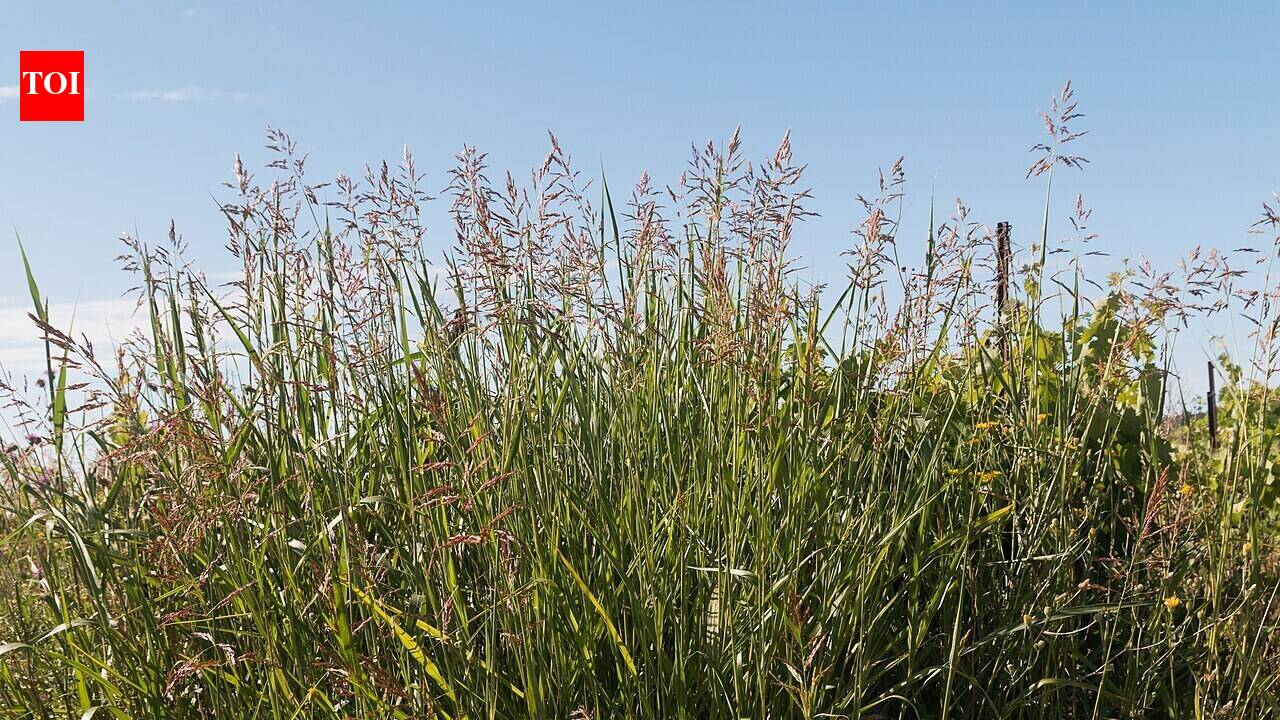
Johnsongrass was introduced to the United States for livestock feed in the nineteenth century. Its rapid growth and drought tolerance made it an attractive agricultural plant. After escaping cultivation, it spread widely, becoming a persistent invasive weed. This grass propagates through seeds and underground rhizomes, making eradication difficult. Its adaptability and resilience present ongoing management challenges for farmers and land managers.