LPG, LNG, and the host of other oil products that run the world: Read the differences and how India acquires them
The ongoing war in the Middle East has raised concerns about the availability of fossil fuel, and several countries are already facing a shortage of fuel like petrol, diesel and LPG. In India, while there is no shortage of most petrochemical items, there have been some shortages of LPG. The government has decided to restrict the sale of LPG to commercial establishments, to ensure that domestic customers are not hampered. The primary reason for this shortage is that India is dependent on imports for all petrochemical products, including LPG. There are two sources of fossil fuel: crude oil and Natural Gas. While most oil wells produce both oil and gas, some wells produce only gas. These two energy sources are converted to various petroleum products by oil refineries. LNG vs LPG During these times, there are lots of talks about LNG and LPG supply. Both of them are gaseous fuels that are transported and stored in liquid form, but they differ fundamentally in composition and origin. Natural Gas is one of the two primary fossil fuels, the other being crude oil. Various petrochemical products are produced from both gas and oil. Natural Gas in its normal form can’t be stored or transported via tankers in large quantities, as only a small quantity will fit even in a giant tanker. Therefore, Natural Gas is compressed by cooling it to 161°C, at which temperature it becomes liquid. This is Liquefied Natural Gas or LNG, which can be stored in tanks and transported on LNG tankers in large volumes. Therefore, LNG is not a specific petroleum product; it is Natural Gas liquefied by cooling it. Like Crude Oil, Natural Gas is also refined to produce various hydrocarbon products. LPG or Liquefied Petroleum Gas is one of the products derived from both crude oil and natural gas. LPG is a mixture of propane and butane gases, and both of them are byproducts of natural gas processing and petroleum refining. Like LNG, this Petroleum gas is also liquefied by compressing for storage, hence it is called Liquefied Petroleum Gas. However, LPG requires much less compression to become liquid. Most of LNG is methane; the proportion of propane and butane is less, and therefore production of LPG from LNG is less. The majority of LPG comes from crude oil, which contains the entire spectrum of hydrocarbons. LPG is mainly used as cooking gas in India, but it is also used in small industrial furnaces, heating systems, agricultural drying, and as a petrochemical feedstock in certain industries. LNG, on the other hand, has various uses. After it is regasified at specialised terminals, it becomes natural gas that can be transported through pipelines. In India, natural gas derived from LNG is widely used for electricity generation, fertiliser production, city gas distribution networks, and compressed natural gas (CNG) for vehicles. Sources of oil and gas for India India obtains these fuels from a combination of domestic production and imports. Domestic crude oil is produced mainly from offshore fields such as Mumbai High and from onshore basins in Assam and Gujarat, but domestic production meets only a small share of the country’s total demand. The majority of crude oil is imported from countries such as Iraq, Saudi Arabia, the United Arab Emirates and Russia. India’s LNG imports are also significant because domestic natural gas production cannot meet demand. Qatar is the largest LNG supplier to India, accounting for a substantial share of imports, with additional supplies coming from the United Arab Emirates and other exporters. A large portion of India’s LNG imports transit the Strait of Hormuz, one of the world’s most critical maritime energy chokepoints now blocked by the ongoing war. Similarly, India produces some LPG domestically through its refineries and gas processing plants, but domestic production is insufficient to meet demand. The country consumes roughly 31 million tonnes of LPG annually, while domestic production is only about 13 million tonnes, making India heavily dependent on imports. Major suppliers include Saudi Arabia, Qatar, the United Arab Emirates and Kuwait, although India has recently begun diversifying imports to the United States and other suppliers. LPG production within India accounts for about 40 per cent, while the remaining 60 per cent is imported. Why only LPG shortage Now the question arises, if LPG is produced from crude oil and LNG, why is there a shortage of LPG in the country while there seems to be no problem with the availability of other fuels like petrol and diesel? The explanation lies in the nature of refinery configurations and the limited infrastructure for LPG handling. Refineries are engineered for specific crude slates and cannot easily alter the fixed yield percentages of products extracted from each barrel. The proportions of different products that can be extracted from crude oil are largely determined by refinery configuration and the chemistry of
The ongoing war in the Middle East has raised concerns about the availability of fossil fuel, and several countries are already facing a shortage of fuel like petrol, diesel and LPG. In India, while there is no shortage of most petrochemical items, there have been some shortages of LPG. The government has decided to restrict the sale of LPG to commercial establishments, to ensure that domestic customers are not hampered.
The primary reason for this shortage is that India is dependent on imports for all petrochemical products, including LPG. There are two sources of fossil fuel: crude oil and Natural Gas. While most oil wells produce both oil and gas, some wells produce only gas. These two energy sources are converted to various petroleum products by oil refineries.
LNG vs LPG
During these times, there are lots of talks about LNG and LPG supply. Both of them are gaseous fuels that are transported and stored in liquid form, but they differ fundamentally in composition and origin. Natural Gas is one of the two primary fossil fuels, the other being crude oil. Various petrochemical products are produced from both gas and oil.
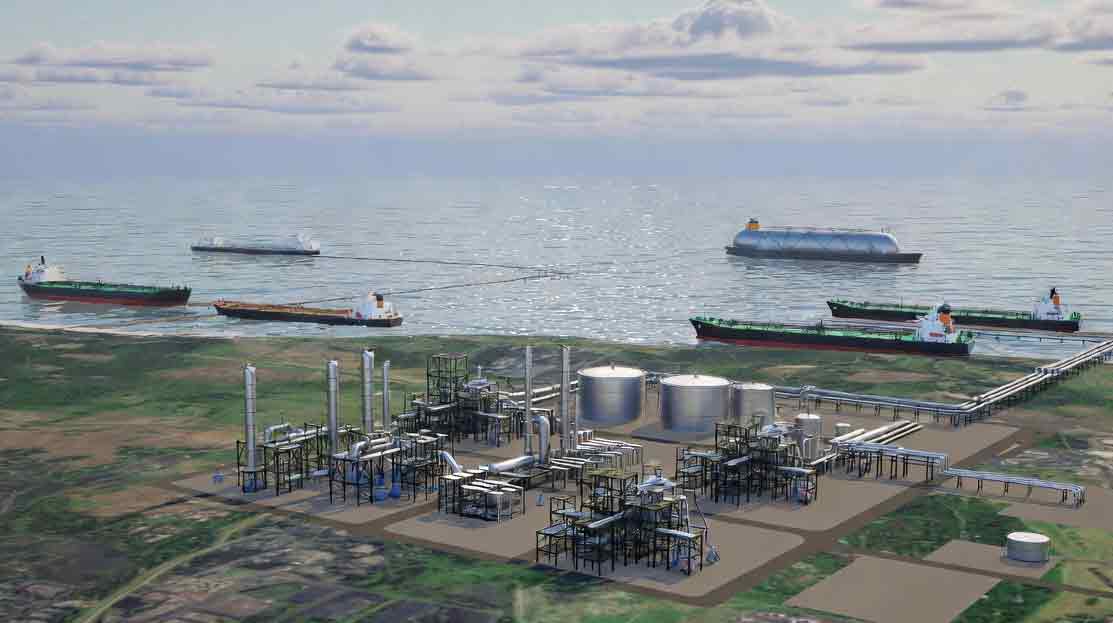
Natural Gas in its normal form can’t be stored or transported via tankers in large quantities, as only a small quantity will fit even in a giant tanker. Therefore, Natural Gas is compressed by cooling it to 161°C, at which temperature it becomes liquid. This is Liquefied Natural Gas or LNG, which can be stored in tanks and transported on LNG tankers in large volumes. Therefore, LNG is not a specific petroleum product; it is Natural Gas liquefied by cooling it. Like Crude Oil, Natural Gas is also refined to produce various hydrocarbon products.
LPG or Liquefied Petroleum Gas is one of the products derived from both crude oil and natural gas. LPG is a mixture of propane and butane gases, and both of them are byproducts of natural gas processing and petroleum refining. Like LNG, this Petroleum gas is also liquefied by compressing for storage, hence it is called Liquefied Petroleum Gas. However, LPG requires much less compression to become liquid.
Most of LNG is methane; the proportion of propane and butane is less, and therefore production of LPG from LNG is less. The majority of LPG comes from crude oil, which contains the entire spectrum of hydrocarbons.
LPG is mainly used as cooking gas in India, but it is also used in small industrial furnaces, heating systems, agricultural drying, and as a petrochemical feedstock in certain industries. LNG, on the other hand, has various uses. After it is regasified at specialised terminals, it becomes natural gas that can be transported through pipelines. In India, natural gas derived from LNG is widely used for electricity generation, fertiliser production, city gas distribution networks, and compressed natural gas (CNG) for vehicles.
Sources of oil and gas for India
India obtains these fuels from a combination of domestic production and imports. Domestic crude oil is produced mainly from offshore fields such as Mumbai High and from onshore basins in Assam and Gujarat, but domestic production meets only a small share of the country’s total demand. The majority of crude oil is imported from countries such as Iraq, Saudi Arabia, the United Arab Emirates and Russia.
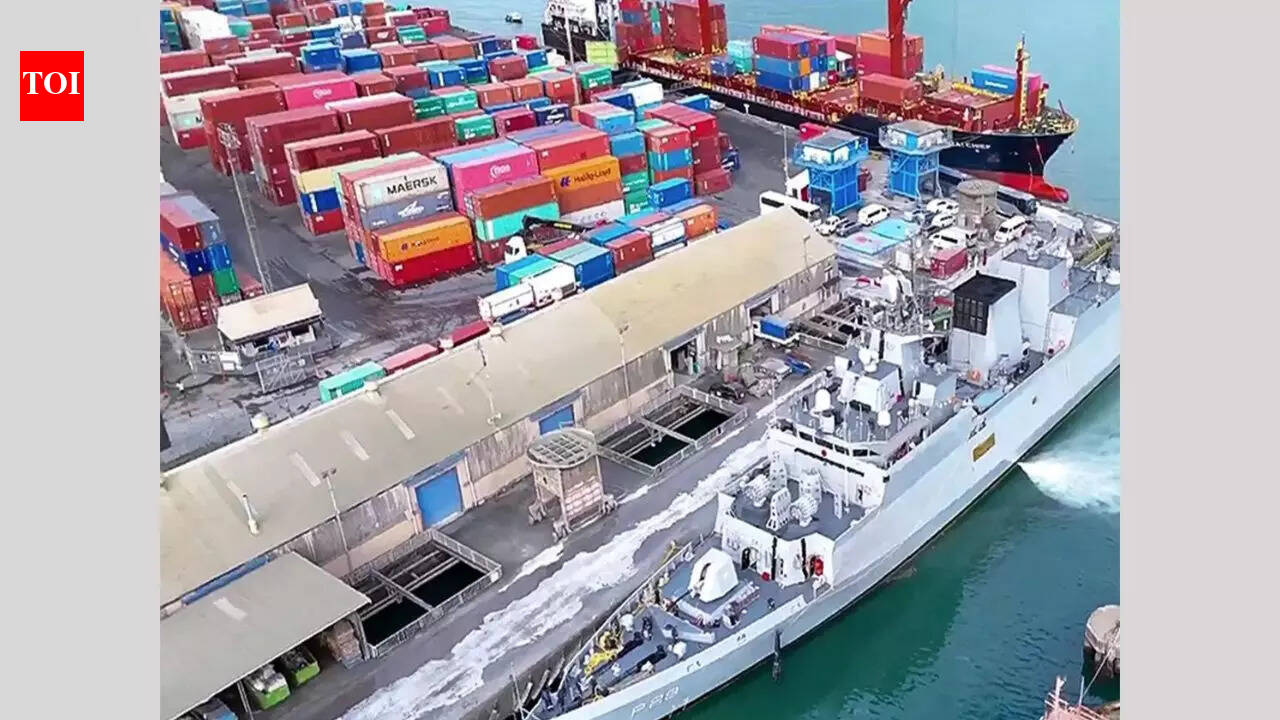
India’s LNG imports are also significant because domestic natural gas production cannot meet demand. Qatar is the largest LNG supplier to India, accounting for a substantial share of imports, with additional supplies coming from the United Arab Emirates and other exporters. A large portion of India’s LNG imports transit the Strait of Hormuz, one of the world’s most critical maritime energy chokepoints now blocked by the ongoing war.
Similarly, India produces some LPG domestically through its refineries and gas processing plants, but domestic production is insufficient to meet demand. The country consumes roughly 31 million tonnes of LPG annually, while domestic production is only about 13 million tonnes, making India heavily dependent on imports. Major suppliers include Saudi Arabia, Qatar, the United Arab Emirates and Kuwait, although India has recently begun diversifying imports to the United States and other suppliers.
LPG production within India accounts for about 40 per cent, while the remaining 60 per cent is imported.
Why only LPG shortage
Now the question arises, if LPG is produced from crude oil and LNG, why is there a shortage of LPG in the country while there seems to be no problem with the availability of other fuels like petrol and diesel?
The explanation lies in the nature of refinery configurations and the limited infrastructure for LPG handling. Refineries are engineered for specific crude slates and cannot easily alter the fixed yield percentages of products extracted from each barrel. The proportions of different products that can be extracted from crude oil are largely determined by refinery configuration and the chemistry of the crude itself. It is therefore difficult to rapidly increase LPG production without altering refinery units, a process that requires major investment and long construction timelines.
Propane and butane streams emerge in limited volumes, and boosting them significantly requires diverting intermediates otherwise destined for petrochemicals or expensive hardware changes that take years to implement. Even then, there is a maximum limit that can be extracted from a barrel of crude.
Consequently, even when abundant crude keeps refineries running at or above 100 per cent capacity and generates ample petrol and diesel for transport and agriculture, LPG output stays constrained.
Another reason relates to supply chains and storage. LPG must be stored in pressurised tanks and transported in specialised carriers and cylinders, which limits how much can be stockpiled. In contrast, other naturally liquid petroleum products can be stored in normal tanks. As no pressurisation is required, storage capacities can be increased easily.
The entire system for LPG is optimised for continuous operational flow, unlike strategic reserves of crude oil and auto fuels that cover two months of demand.