India’s strategic tightrope in the US-Israel war against Iran: As a closed Strait of Hormuz threatens energy supplies, will PM Modi play the peacemaker?
On February 28, 2026, the world awoke to a profoundly transformed geopolitical reality. The joint US-Israeli bombings on Tehran, which culminated in the killing of Iran’s Supreme Leader Ayatollah Ali Khamenei, not only decapitated the Iranian political and religious establishment but also sparked a sweeping, uncontrollable inferno over West Asia. Today, exactly two weeks into what has already been nicknamed the 2026 US-Israel-Iran War, the world is dealing with crippled trade routes, increasing energy costs, and the terrible threat of a protracted regional conflict. In the middle of the smoke and confusion, all eyes are on New Delhi. India, a developing powerhouse with deep, ancient civilizational ties to Iran as well as a powerful, modern strategic engagement with Israel and the United States, is currently walking the closest diplomatic tightrope of its modern history. In an important phone call with Iranian President Masoud Pezeshkian on Thursday, March 12, Prime Minister Narendra Modi formally entered the diplomatic contest. While the call focused on India’s fundamental concerns, the safety of its population and the uninterrupted flow of energy, it also raised serious questions about the timing, the changing reality of the war, and India’s unique role as a possible global mediator. Why did PM Modi wait 13 days? Prime Minister Modi tagged President Pezeshkian in a post on X (previously Twitter) late Thursday night, marking the first leadership level interaction between New Delhi and Tehran since the war began. The official summary stated that PM Modi expressed ‘deep concern over the escalation of tensions and the loss of civilian lives’ while urging dialogue and diplomacy. However, in the fast-paced world of world politics, a 13-day delay seems like an eternity. Observers and critics alike have asked, Why so late? A portion of the delay was entirely logistical. As External Affairs Minister S. Jaishankar honestly revealed in Parliament on March 9, reaching Iranian leadership in the immediate aftermath of the attacks was nearly impossible. The Iranian state machinery was stunned, mourning its Supreme Leader and securing its newly elected successor, Mojtaba Khamenei, while unleashing retaliatory drone and missile attacks. But there is also a practical, if perhaps cynical, diplomatic truth to recognise. Following the February 28 strikes, New Delhi was taking its time. Despite its long history of non-alignment, Indian diplomacy has clearly shifted in recent years toward a deeper strategic embrace of the United States and Israel. There was a widespread, silent expectation in key South Block corridors that the US-Israel coalition’s overwhelming military supremacy would result in a quick, sharp end to the battle. India waited for the dust to settle to determine which way the wind would blow. However, the dust did not settle. The conflict grew, involving many proxy states and significantly destabilising the region. This initial hesitancy is possibly the single major mistake in an otherwise remarkable demonstration of strategic autonomy. It soon became clear that relying too much on the anticipation of a swift Israeli victory was a mistake. The conflict would not finish overnight, and India’s quiet was starting to cost it leverage. When geopolitics meets the energy crisis India’s increased urgency in the Middle East was triggered not just by growing conflict, but also by an urgent and severe threat to its own economic lifeblood. Over alignment with Israel may result in advances in defence technology and agriculture, but it does not fuel Indian homes, drive Indian factories, or power the logistics of a 1.4 billion-strong nation. Iran used its most lethal tactic, the blockage of the Strait of Hormuz, in response to the attacks. This strategically important waterway is the choke point through which one-fifth of the world’s crude oil and natural gas exports pass. For India, which imports more than 80% of its oil, mostly from Gulf suppliers such as Iraq, Saudi Arabia, and the UAE, the blockade poses an existential economic danger. The ramifications have been swift and severe. Global crude prices have risen, with predictions that they may reach the disastrous $200 per barrel threshold if the crisis continues. Domestically, India is already feeling the heat. According to reports in Indian media, a rising LPG shortage is affecting the restaurant and hospitality industries, and states such as Karnataka are experiencing huge interruptions in export operations as a result of the problem. In addition, crucial fuel vessels headed for Indian ports are presently stranded in the Persian Gulf. PM Modi stated during his call with President Pezeshkian that ‘the safety and security of Indian nationals, along with the need for unhindered transit of goods and energy, remain India’s top priorities.’ This was New Delhi acknowledging that it could no longer afford to remain on the sidelines. The energy c
On February 28, 2026, the world awoke to a profoundly transformed geopolitical reality. The joint US-Israeli bombings on Tehran, which culminated in the killing of Iran’s Supreme Leader Ayatollah Ali Khamenei, not only decapitated the Iranian political and religious establishment but also sparked a sweeping, uncontrollable inferno over West Asia. Today, exactly two weeks into what has already been nicknamed the 2026 US-Israel-Iran War, the world is dealing with crippled trade routes, increasing energy costs, and the terrible threat of a protracted regional conflict.
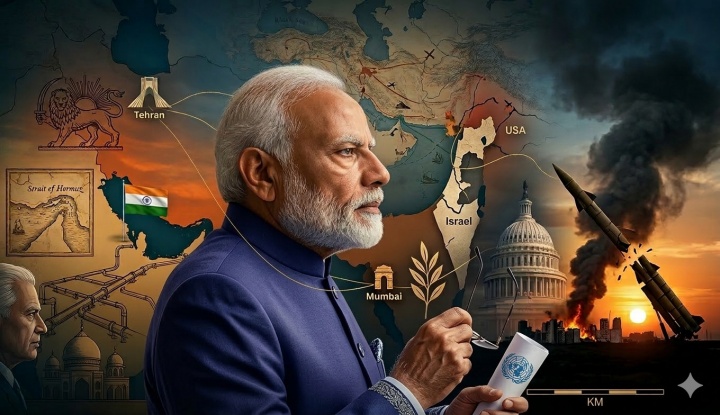
In the middle of the smoke and confusion, all eyes are on New Delhi. India, a developing powerhouse with deep, ancient civilizational ties to Iran as well as a powerful, modern strategic engagement with Israel and the United States, is currently walking the closest diplomatic tightrope of its modern history.
In an important phone call with Iranian President Masoud Pezeshkian on Thursday, March 12, Prime Minister Narendra Modi formally entered the diplomatic contest. While the call focused on India’s fundamental concerns, the safety of its population and the uninterrupted flow of energy, it also raised serious questions about the timing, the changing reality of the war, and India’s unique role as a possible global mediator.
Why did PM Modi wait 13 days?
Prime Minister Modi tagged President Pezeshkian in a post on X (previously Twitter) late Thursday night, marking the first leadership level interaction between New Delhi and Tehran since the war began. The official summary stated that PM Modi expressed ‘deep concern over the escalation of tensions and the loss of civilian lives’ while urging dialogue and diplomacy.
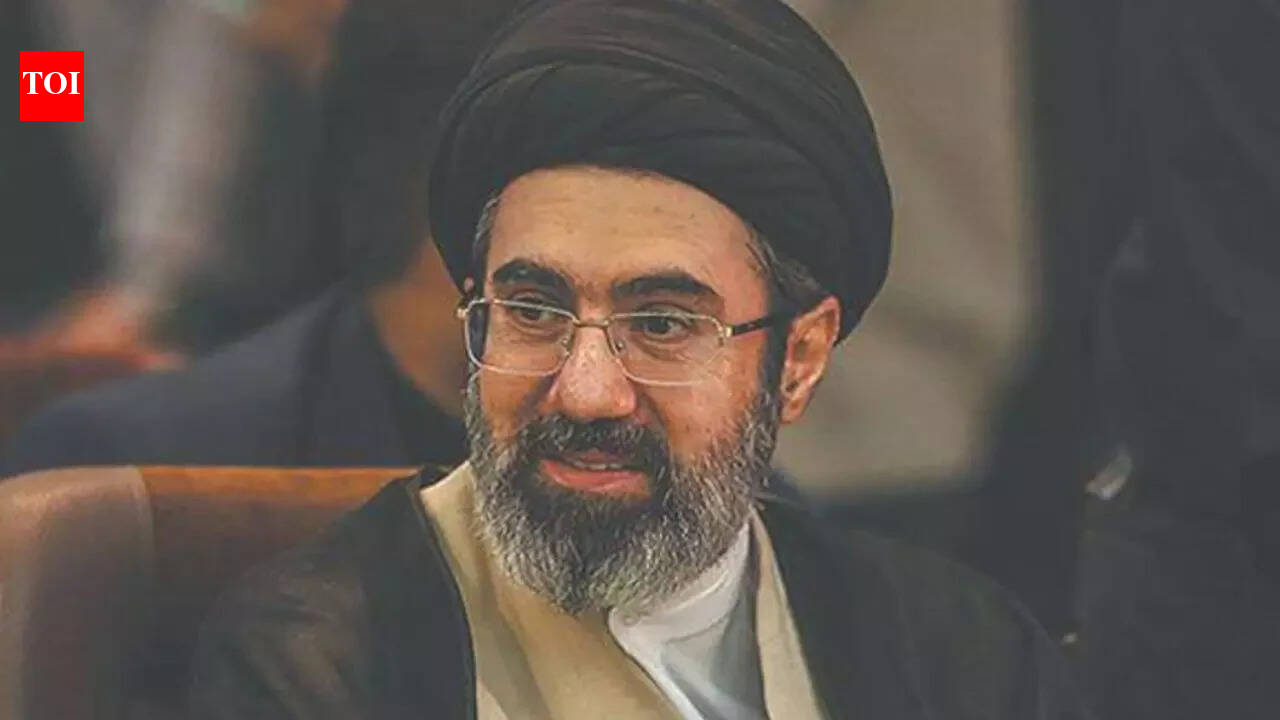
However, in the fast-paced world of world politics, a 13-day delay seems like an eternity. Observers and critics alike have asked, Why so late? A portion of the delay was entirely logistical. As External Affairs Minister S. Jaishankar honestly revealed in Parliament on March 9, reaching Iranian leadership in the immediate aftermath of the attacks was nearly impossible. The Iranian state machinery was stunned, mourning its Supreme Leader and securing its newly elected successor, Mojtaba Khamenei, while unleashing retaliatory drone and missile attacks.
But there is also a practical, if perhaps cynical, diplomatic truth to recognise. Following the February 28 strikes, New Delhi was taking its time. Despite its long history of non-alignment, Indian diplomacy has clearly shifted in recent years toward a deeper strategic embrace of the United States and Israel. There was a widespread, silent expectation in key South Block corridors that the US-Israel coalition’s overwhelming military supremacy would result in a quick, sharp end to the battle. India waited for the dust to settle to determine which way the wind would blow. However, the dust did not settle. The conflict grew, involving many proxy states and significantly destabilising the region. This initial hesitancy is possibly the single major mistake in an otherwise remarkable demonstration of strategic autonomy. It soon became clear that relying too much on the anticipation of a swift Israeli victory was a mistake. The conflict would not finish overnight, and India’s quiet was starting to cost it leverage.
When geopolitics meets the energy crisis
India’s increased urgency in the Middle East was triggered not just by growing conflict, but also by an urgent and severe threat to its own economic lifeblood. Over alignment with Israel may result in advances in defence technology and agriculture, but it does not fuel Indian homes, drive Indian factories, or power the logistics of a 1.4 billion-strong nation.
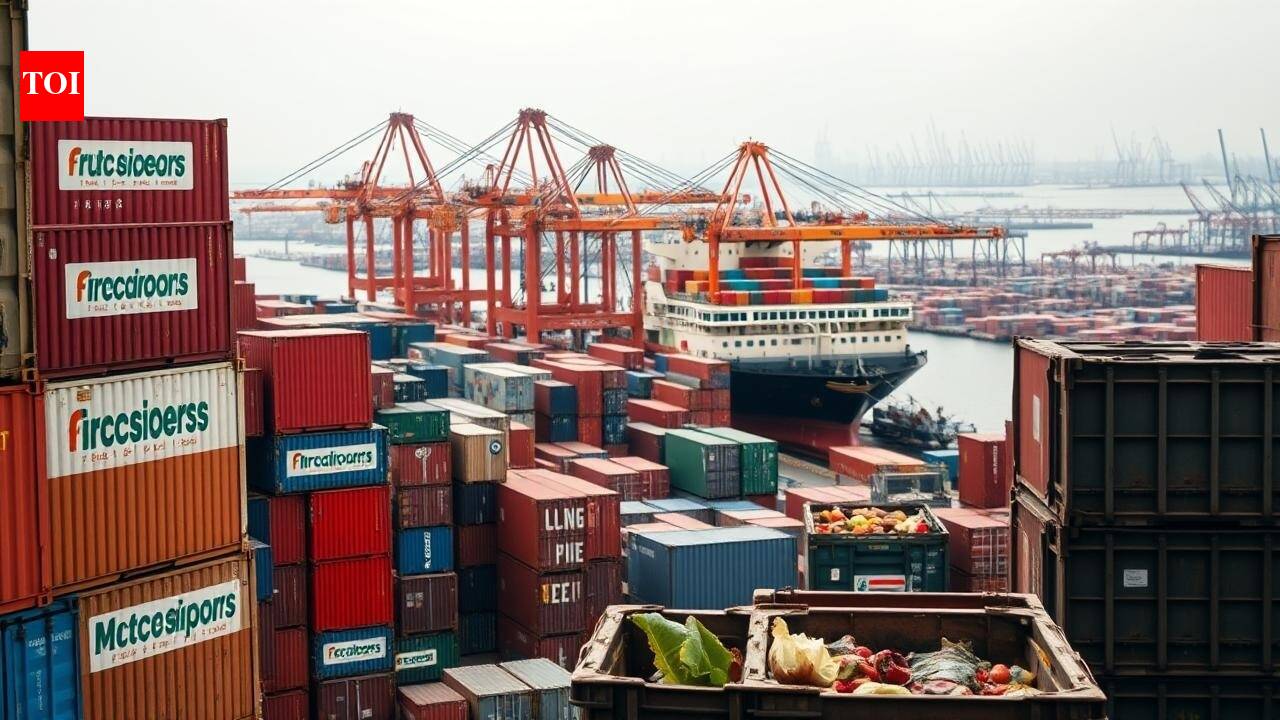
Iran used its most lethal tactic, the blockage of the Strait of Hormuz, in response to the attacks. This strategically important waterway is the choke point through which one-fifth of the world’s crude oil and natural gas exports pass. For India, which imports more than 80% of its oil, mostly from Gulf suppliers such as Iraq, Saudi Arabia, and the UAE, the blockade poses an existential economic danger.
The ramifications have been swift and severe. Global crude prices have risen, with predictions that they may reach the disastrous $200 per barrel threshold if the crisis continues. Domestically, India is already feeling the heat. According to reports in Indian media, a rising LPG shortage is affecting the restaurant and hospitality industries, and states such as Karnataka are experiencing huge interruptions in export operations as a result of the problem.
In addition, crucial fuel vessels headed for Indian ports are presently stranded in the Persian Gulf. PM Modi stated during his call with President Pezeshkian that ‘the safety and security of Indian nationals, along with the need for unhindered transit of goods and energy, remain India’s top priorities.’ This was New Delhi acknowledging that it could no longer afford to remain on the sidelines. The energy crisis prompted a rapid reengagement with Tehran, demonstrating that India’s civilizational and economic links to Iran are too important to be overshadowed by modern relationships with the West.
The Khamenei condolence and India’s pro Iran nuance
As the fighting continues, a fascinating narrative has emerged across numerous social media platforms. Geopolitical analysts and internet users have praised India for taking what they see as a ‘pro-Iran, anti-Khamenei’ position. According to the widely held belief, India boldly declined to offer top-level condolences for Ayatollah Ali Khamenei’s passing, indicating a rejection of the hardline clerical dictatorship while continuing to support the Iranian people. While this story presents a picture of a defiant, morally absolute India, it might also have been a miss that needs to be rectified. The reality of Indian diplomacy is significantly more sophisticated and pragmatic than social media screams indicate.
India officially condoled the death of Ayatollah Khamenei. However, it did it with a deliberate subtlety that was nothing short of a diplomatic masterstroke. Instead of a loud, public proclamation or a highly publicised tweet from the Prime Minister, which would have undoubtedly angered the US and Israel, India followed quiet official protocol. Vikram Misri, the Indian Foreign Secretary, visited the Iranian Embassy in New Delhi and signed the official register of condolences. He wrote, ‘Sincere condolences on behalf of the Government and People of India. We pray for peace for the departed soul.’
This captures the essence of India’s diplomatic genius. By having the Foreign Secretary undertake this responsibility, New Delhi honoured the Iranian state’s sovereignty while maintaining its critical bilateral connection with Tehran without politically backing the late Supreme Leader’s philosophy on a worldwide scale. It enabled India to stay technically neutral while leaving the door open for future negotiations. It wasn’t an anti-Khamenei boycott; rather, it was a measured, low-key adherence to the convention that protected India from Western criticism while maintaining Iranian goodwill.
Why is the world looking to PM Modi?
The international community strongly supports Indian diplomacy notwithstanding the delayed phone call and the initial miscalculations about the course of the war. India is the only country capable of ending this war, according to a remarkable chorus that is developing from world political and military circles as the battle grinds to a violent standoff. Many people are suspicious of China, the only other country that has volunteered to mediate. Beijing has strong ties to Iran’s weapons programs which puts them in a dubious position.
India, on the other hand, has a unique and potent geopolitical advantage, both sides trust it.
Earlier this week, this opinion was openly expressed on the international scene. Colonel Douglas MacGregor, a retired US military official, made a startling claim in a widely circulated podcast with conservative pundit Tucker Carlson. ‘To stop the US-Israel-Iran war, we need an intermediary, and preferably, the Prime Minister of India, Narendra Modi,’ MacGregor said, adding that India is the only neutral state that is growing in stature, power, and influence.
Western military analysts are not the only ones who have this opinion. In an exclusive interview with India Today TV, former UAE envoy to India Hussain Hassan Mirza expressed the same viewpoint. ‘A single call from PM Modi to Israeli Prime Minister Benjamin Netanyahu and Iranian leaders can stop the war,’ Mirza said. The connection between Mr. Modi and Iran is excellent. He is Iran’s biggest oil customer. The issue can be resolved with just one phone call from Mr. Modi.
These endorsements acknowledge India’s multi-aligned foreign policy and go beyond simple flattery. While putting India’s strategic autonomy first and refusing to cut ties with Tehran, Prime Minister Modi has developed a close, personal relationship with Benjamin Netanyahu over the last ten years. With no significant instances of state-sponsored antisemitism or Islamophobia influencing its foreign policy, India is the only major country capable of welcoming Israeli, Arab, Gulf, and Palestinian leaders with equal affection.
Protecting the diaspora: The human core of Indian diplomacy
Beyond grand strategy and energy economics, New Delhi’s activities are driven by a strong human aspect. The Middle East is home to over ten million Indian diaspora. Currently, about 40,000 Indians live in Israel, while approximately 10,000 study and work in Iran.
When PM Modi spoke with President Pezeshkian, as he had previously with the leaders of the UAE, Qatar, Saudi Arabia, and Israel, his top focus was their safety. India has already launched intricate logistical measures to evacuate its residents from high-risk areas in Iran, with some migrating to neighbouring Armenia and Azerbaijan.
Conclusion
The protracted West Asia War in 2026 has tested world diplomacy’s limitations. Has India responded flawlessly? No. The first quiet and delayed contact with Iranian leadership suggested a momentary lapse caused by an overestimation of Israeli military capabilities and a desire to avoid hurting Western friends.
However, as the crisis has progressed, the underlying strength of India’s multi alignment ideology has emerged. New Delhi has effectively navigated a geopolitical minefield by ensuring its energy interests, discreetly obeying diplomatic norms without seeking attention, and putting the safety of its diaspora first.