Nine years of Uttar Pradesh’s reconstruction under CM Yogi Adityanath: A golden resolve for prosperity
India’s most populous state, Uttar Pradesh, has undergone a remarkable transformation over the past nine years—one that extends far beyond administrative change and reflects a broader narrative of development, governance, and social progress. Under the leadership of Yogi Adityanath, the state has embraced a vision of “reconstruction” that is steadily translating into a roadmap for sustained prosperity. Perhaps the most visible shift has been in the realm of law and order. Once frequently associated with crime and disorder, Uttar Pradesh has repositioned itself as a safer and more stable destination for both citizens and investors. The government’s tough stance on organized crime, including stringent action against mafia networks and the high-profile demolition of illegally acquired properties, has reinforced a sense of security among the public. This improved law-and-order environment has also played a crucial role in unlocking economic potential by boosting investor confidence. On the economic front, Uttar Pradesh has made significant strides. The state’s ambition to become a trillion-dollar economy is not merely aspirational but grounded in strategic planning and policy execution. A balanced approach to development—encompassing agriculture, industry, and services—has been central to this progress. In agriculture, efforts such as ensuring Minimum Support Price (MSP), expanding irrigation infrastructure, and promoting technological interventions have improved productivity and farmer incomes. Simultaneously, initiatives like the “One District, One Product” (ODOP) scheme have revitalized traditional industries and enabled local products to gain global visibility, strengthening the MSME ecosystem. Infrastructure development has emerged as a cornerstone of Uttar Pradesh’s growth story. The construction of major expressways, including the Purvanchal Expressway, Bundelkhand Expressway, and the ambitious Ganga Expressway, has significantly enhanced connectivity across regions. These projects are not just about faster transportation; they are catalysts for industrial growth, regional integration, and job creation. Additionally, the expansion of airports and the development of metro rail systems in cities have contributed to modern urbanization and improved quality of life. The energy sector has also witnessed considerable progress. Ensuring reliable electricity supply—especially in rural areas—has been a key priority. The extension of electrification to remote villages and the push for uninterrupted power supply have strengthened the rural economy and supported small-scale industries. Energy reforms have thus played an essential role in bridging the urban-rural divide. In the social sectors of education and healthcare, the government has undertaken several reforms aimed at improving access and quality. The transformation of primary schools through infrastructure upgrades, digital learning initiatives, and teacher training programs has begun to yield positive outcomes. In healthcare, the expansion of medical colleges, upgradation of district hospitals, and effective implementation of welfare schemes like Ayushman Bharat have improved healthcare accessibility for millions. These measures have contributed to building a more inclusive development framework. Women’s empowerment has been another important pillar of the state’s development agenda. Programs such as Mission Shakti have focused on enhancing women’s safety, dignity, and economic participation. Self-help groups have been actively promoted, enabling women to become financially independent and play a more significant role in community development. This focus on gender inclusion reflects a broader commitment to equitable growth. Digital governance and transparency have further strengthened the administration. The digitization of government services has reduced bureaucratic delays and minimized corruption, making public services more accessible and efficient. Direct Benefit Transfer (DBT) mechanisms have ensured that welfare benefits reach intended beneficiaries without leakages, thereby enhancing trust in governance. Tourism has also received a significant boost, particularly through the development of religious and cultural sites. Landmark projects such as the Kashi Vishwanath Dham corridor and the grand construction of the Ayodhya Ram Mandir have not only revitalized India’s spiritual heritage but also attracted global attention. Cities like Varanasi, Ayodhya, and Mathura are witnessing increased tourist inflow, contributing to local economies and job creation. Despite these achievements, challenges remain. Issues such as unemployment, disparities in educational outcomes, and the rural-urban divide continue to demand attention. While the state has made progress in addressing these concerns, sustained efforts and policy innovation will be necessary to ensure that growth is both inclusive and equitable. The journey of the past nine
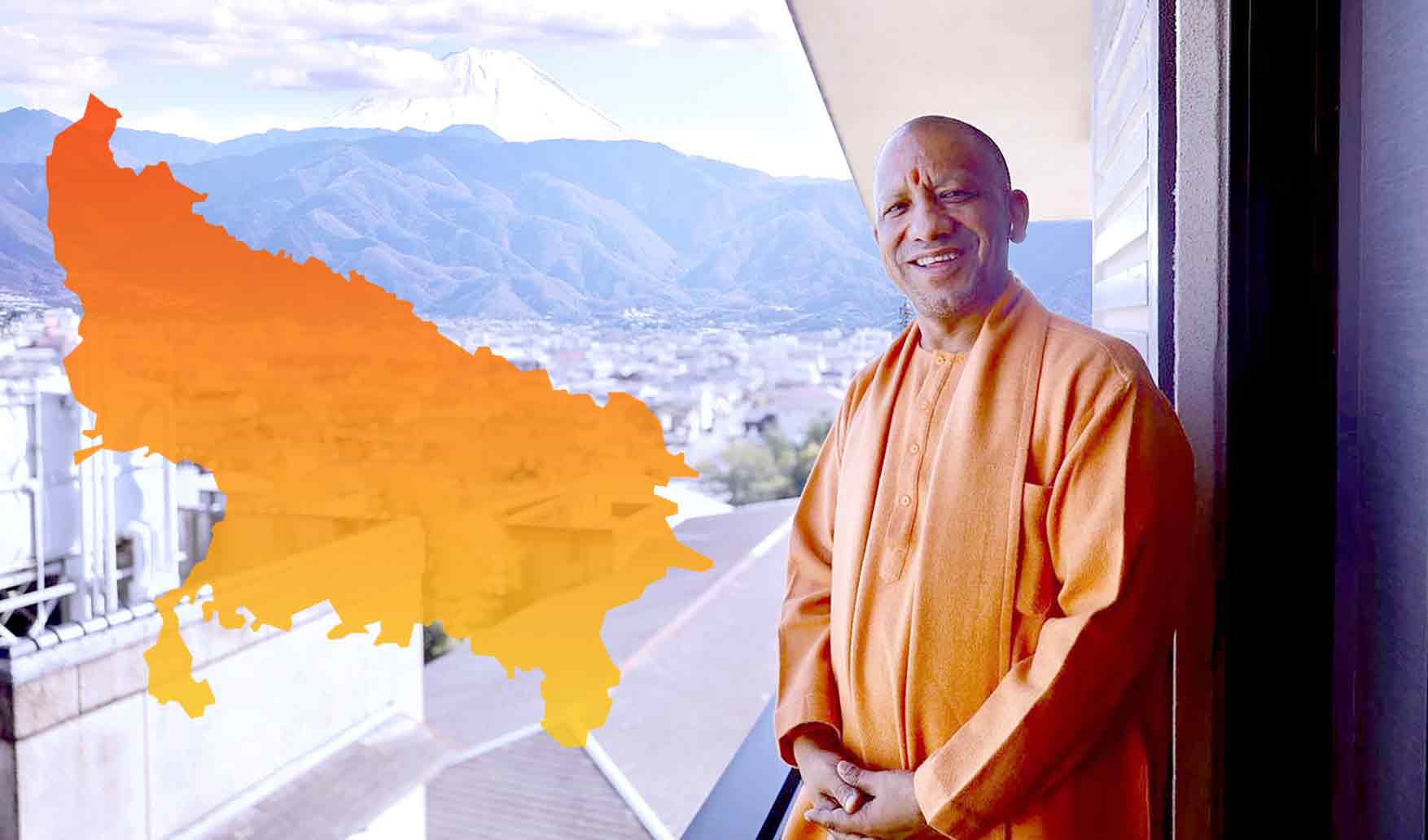
India’s most populous state, Uttar Pradesh, has undergone a remarkable transformation over the past nine years—one that extends far beyond administrative change and reflects a broader narrative of development, governance, and social progress. Under the leadership of Yogi Adityanath, the state has embraced a vision of “reconstruction” that is steadily translating into a roadmap for sustained prosperity.
Perhaps the most visible shift has been in the realm of law and order. Once frequently associated with crime and disorder, Uttar Pradesh has repositioned itself as a safer and more stable destination for both citizens and investors. The government’s tough stance on organized crime, including stringent action against mafia networks and the high-profile demolition of illegally acquired properties, has reinforced a sense of security among the public. This improved law-and-order environment has also played a crucial role in unlocking economic potential by boosting investor confidence.
On the economic front, Uttar Pradesh has made significant strides. The state’s ambition to become a trillion-dollar economy is not merely aspirational but grounded in strategic planning and policy execution. A balanced approach to development—encompassing agriculture, industry, and services—has been central to this progress. In agriculture, efforts such as ensuring Minimum Support Price (MSP), expanding irrigation infrastructure, and promoting technological interventions have improved productivity and farmer incomes. Simultaneously, initiatives like the “One District, One Product” (ODOP) scheme have revitalized traditional industries and enabled local products to gain global visibility, strengthening the MSME ecosystem.
Infrastructure development has emerged as a cornerstone of Uttar Pradesh’s growth story. The construction of major expressways, including the Purvanchal Expressway, Bundelkhand Expressway, and the ambitious Ganga Expressway, has significantly enhanced connectivity across regions. These projects are not just about faster transportation; they are catalysts for industrial growth, regional integration, and job creation. Additionally, the expansion of airports and the development of metro rail systems in cities have contributed to modern urbanization and improved quality of life.
The energy sector has also witnessed considerable progress. Ensuring reliable electricity supply—especially in rural areas—has been a key priority. The extension of electrification to remote villages and the push for uninterrupted power supply have strengthened the rural economy and supported small-scale industries. Energy reforms have thus played an essential role in bridging the urban-rural divide.
In the social sectors of education and healthcare, the government has undertaken several reforms aimed at improving access and quality. The transformation of primary schools through infrastructure upgrades, digital learning initiatives, and teacher training programs has begun to yield positive outcomes. In healthcare, the expansion of medical colleges, upgradation of district hospitals, and effective implementation of welfare schemes like Ayushman Bharat have improved healthcare accessibility for millions. These measures have contributed to building a more inclusive development framework.
Women’s empowerment has been another important pillar of the state’s development agenda. Programs such as Mission Shakti have focused on enhancing women’s safety, dignity, and economic participation. Self-help groups have been actively promoted, enabling women to become financially independent and play a more significant role in community development. This focus on gender inclusion reflects a broader commitment to equitable growth.
Digital governance and transparency have further strengthened the administration. The digitization of government services has reduced bureaucratic delays and minimized corruption, making public services more accessible and efficient. Direct Benefit Transfer (DBT) mechanisms have ensured that welfare benefits reach intended beneficiaries without leakages, thereby enhancing trust in governance.
Tourism has also received a significant boost, particularly through the development of religious and cultural sites. Landmark projects such as the Kashi Vishwanath Dham corridor and the grand construction of the Ayodhya Ram Mandir have not only revitalized India’s spiritual heritage but also attracted global attention. Cities like Varanasi, Ayodhya, and Mathura are witnessing increased tourist inflow, contributing to local economies and job creation.
Despite these achievements, challenges remain. Issues such as unemployment, disparities in educational outcomes, and the rural-urban divide continue to demand attention. While the state has made progress in addressing these concerns, sustained efforts and policy innovation will be necessary to ensure that growth is both inclusive and equitable.
The journey of the past nine years demonstrates that Uttar Pradesh is steadily shedding its earlier image as a lagging state and emerging as a dynamic contributor to India’s growth story. This transformation is not merely the result of policy measures but also of a clear vision, strong political will, and consistent governance.
In conclusion, Uttar Pradesh’s reconstruction over the past decade represents a significant chapter in India’s development narrative. The “golden resolve” for prosperity is not just a slogan but a tangible process that is reshaping the state’s economic and social landscape. If this momentum continues with the same focus and commitment, Uttar Pradesh is well-positioned to become not only a key driver of India’s economy but also a model of large-scale transformation on the global stage.