No ban on Russian oil, Marco Rubio clarifies the India-US trade deal: Read how the opposition weaponised Trump’s Pressure tactics and spread myths
A fresh statement by Marco Rubio at the Munich Security Conference has brought clarity to the ongoing debate over India’s purchase of Russian oil. Rubio said that India has committed only to not increasing its purchases of Russian crude. He made it clear that there is no promise from New Delhi to completely stop buying oil from Moscow. His remark directly counters months of political claims that India had agreed to a total halt under American pressure. VIDEO | Germany: “US does not know if Russia is 'serious' about Ukraine peace; has got commitment from India to stop buying additional Russian oil”, says US Secretary of State Marco Rubio (@SecRubio) in Munich.(Source: Third Party)(Full video available on PTI Videos -… pic.twitter.com/pKF2mSdMhH— Press Trust of India (@PTI_News) February 14, 2026 Speaking at the global security meet, Rubio said Washington has received a commitment from India that it will not buy additional Russian oil. The keyword here is “additional.” This means India will continue importing oil at roughly current levels, around 1.5 to 2 million barrels per day, but will not expand purchases beyond that. Rubio also noted that while the US continues to impose sanctions on Russia and support Ukraine, talks with India will involve both engagement and pressure. Decisions based on National interest India’s External Affairs Minister S. Jaishankar also addressed the issue at the same conference. He said India’s energy policy is guided by price, supply security and national interest, not by outside pressure. He stressed that India follows “strategic autonomy,” meaning decisions are taken independently, keeping long-term interests in mind. His remarks reinforced that India has not accepted any blanket ban on Russian oil. Opposition’s claims and political heat Since talks on an India-US trade framework began, the Indian National Congress and other opposition parties have criticised the Modi government. Congress leader Rahul Gandhi said on multiple occasions that the US would now decide where India buys oil from. He claimed that Prime Minister Narendra Modi had bowed to American pressure and agreed to stop Russian imports. Senior Congress leader Jairam Ramesh repeatedly questioned the government, asking whether Parliament had been informed about what he described as a commitment to end Russian oil purchases. These statements gained wide attention on social media and in sections of the media, creating a perception that India had fully blocked Russian oil imports. Rubio’s clarification now shows that such a complete stop was never agreed upon. Why Russian oil matters for India India is the world’s third-largest oil importer. The country consumes close to 5 million barrels daily, and about 80-85% of that comes from imports. Since the Ukraine conflict began, Russia has offered crude at discounted prices, sometimes $20-30 per barrel cheaper than global benchmarks. For India, this has helped control fuel prices, manage inflation and reduce pressure on foreign exchange reserves. In June 2025, Russian oil supplies to India peaked at around 2.09 million barrels per day. Later in the year, imports dipped, but that was linked to changing market prices and supply diversification not political pressure. Russia remained India’s largest supplier in 2025-26, though New Delhi has also increased purchases from the Middle East, the US and Venezuela to avoid overdependence on one source. Trump’s tariff pressure and trade talks The issue became more heated after Donald Trump returned to office in 2025. His administration raised duties on certain Indian imports up to 50% in August 2025, widely seen as a move to push India to cut Russian oil ties. Trump publicly stated several times that India had agreed to stop buying Russian oil. However, negotiations later led to a revised trade understanding, bringing tariffs down to 18% and removing an additional 25% penalty. Despite the economic pressure, India did not announce any full ban on Russian crude. Instead, it agreed only not to increase volumes beyond existing levels. Even Russian Foreign Minister Sergey Lavrov has said that claims of a complete Indian blockade on Russian oil did not come from Moscow. Strategic balance on the global stage The episode highlights the complex balance India maintains between its Western partners and Russia. While deepening ties with the US, India continues to protect its energy security and economic stability. Rubio’s statement at Munich appears to settle the debate: India has not promised to shut off Russian oil entirely. It has only committed to keeping imports steady without expanding them. For now, New Delhi’s position remains clear that energy decisions will be based on affordability, availability and national interest, even as global political pressure continues.

A fresh statement by Marco Rubio at the Munich Security Conference has brought clarity to the ongoing debate over India’s purchase of Russian oil.
Rubio said that India has committed only to not increasing its purchases of Russian crude. He made it clear that there is no promise from New Delhi to completely stop buying oil from Moscow. His remark directly counters months of political claims that India had agreed to a total halt under American pressure.
VIDEO | Germany: “US does not know if Russia is 'serious' about Ukraine peace; has got commitment from India to stop buying additional Russian oil”, says US Secretary of State Marco Rubio (@SecRubio) in Munich.
— Press Trust of India (@PTI_News) February 14, 2026
(Source: Third Party)
(Full video available on PTI Videos -… pic.twitter.com/pKF2mSdMhH
Speaking at the global security meet, Rubio said Washington has received a commitment from India that it will not buy additional Russian oil. The keyword here is “additional.”
This means India will continue importing oil at roughly current levels, around 1.5 to 2 million barrels per day, but will not expand purchases beyond that. Rubio also noted that while the US continues to impose sanctions on Russia and support Ukraine, talks with India will involve both engagement and pressure.
Decisions based on National interest
India’s External Affairs Minister S. Jaishankar also addressed the issue at the same conference. He said India’s energy policy is guided by price, supply security and national interest, not by outside pressure.
He stressed that India follows “strategic autonomy,” meaning decisions are taken independently, keeping long-term interests in mind. His remarks reinforced that India has not accepted any blanket ban on Russian oil.
Opposition’s claims and political heat
Since talks on an India-US trade framework began, the Indian National Congress and other opposition parties have criticised the Modi government.
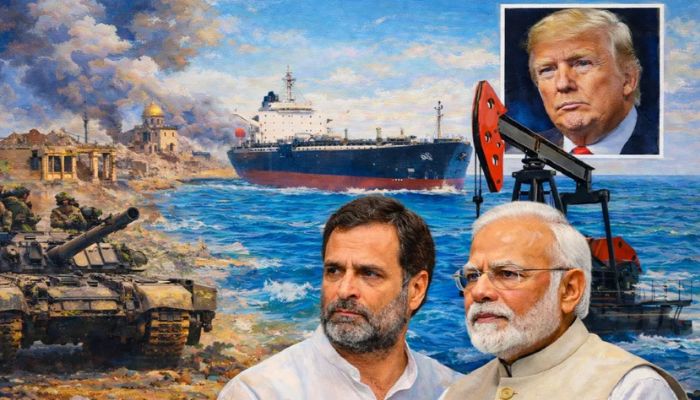
Congress leader Rahul Gandhi said on multiple occasions that the US would now decide where India buys oil from. He claimed that Prime Minister Narendra Modi had bowed to American pressure and agreed to stop Russian imports.
Senior Congress leader Jairam Ramesh repeatedly questioned the government, asking whether Parliament had been informed about what he described as a commitment to end Russian oil purchases.
These statements gained wide attention on social media and in sections of the media, creating a perception that India had fully blocked Russian oil imports.
Rubio’s clarification now shows that such a complete stop was never agreed upon.
Why Russian oil matters for India
India is the world’s third-largest oil importer. The country consumes close to 5 million barrels daily, and about 80-85% of that comes from imports.
Since the Ukraine conflict began, Russia has offered crude at discounted prices, sometimes $20-30 per barrel cheaper than global benchmarks. For India, this has helped control fuel prices, manage inflation and reduce pressure on foreign exchange reserves.
In June 2025, Russian oil supplies to India peaked at around 2.09 million barrels per day. Later in the year, imports dipped, but that was linked to changing market prices and supply diversification not political pressure.
Russia remained India’s largest supplier in 2025-26, though New Delhi has also increased purchases from the Middle East, the US and Venezuela to avoid overdependence on one source.
Trump’s tariff pressure and trade talks
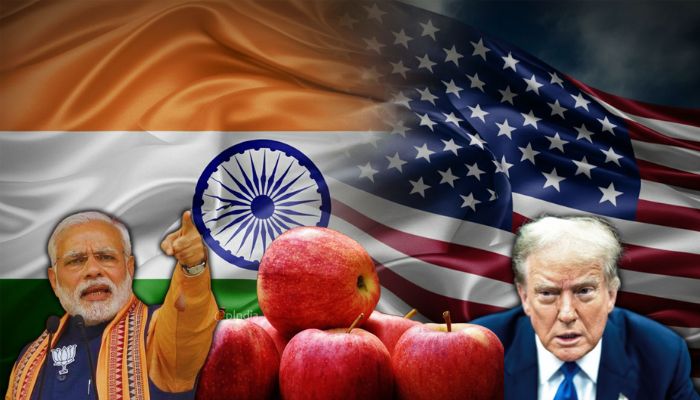
The issue became more heated after Donald Trump returned to office in 2025. His administration raised duties on certain Indian imports up to 50% in August 2025, widely seen as a move to push India to cut Russian oil ties.
Trump publicly stated several times that India had agreed to stop buying Russian oil. However, negotiations later led to a revised trade understanding, bringing tariffs down to 18% and removing an additional 25% penalty.
Despite the economic pressure, India did not announce any full ban on Russian crude. Instead, it agreed only not to increase volumes beyond existing levels. Even Russian Foreign Minister Sergey Lavrov has said that claims of a complete Indian blockade on Russian oil did not come from Moscow.
Strategic balance on the global stage
The episode highlights the complex balance India maintains between its Western partners and Russia. While deepening ties with the US, India continues to protect its energy security and economic stability.
Rubio’s statement at Munich appears to settle the debate: India has not promised to shut off Russian oil entirely. It has only committed to keeping imports steady without expanding them.
For now, New Delhi’s position remains clear that energy decisions will be based on affordability, availability and national interest, even as global political pressure continues.