No serious injuries or fractures in victims allegedly beaten by cow vigilantes: Court flags exaggerations that fueled social unrest. Read what the 2016 Una verdict says
In the much-discussed Una incident case of 2016, after convicting five accused, the Gir Somnath District Court on Tuesday (17 March) delivered its judgment and pronounced the sentence. All have been sentenced to five years of imprisonment each. Earlier, on Monday (16 March), the court had acquitted 35 accused due to a lack of evidence. Out of 41 accused, five were found guilty and sentenced to five years each. (One accused died during the trial.) Among the five convicted, four have already served more than five years during the trial. Another accused had served four years and two months. As the court ordered the set-off of the sentence, the remaining convicts will be released from jail, and one will go to prison to serve the remaining sentence. The court convicted five individuals under IPC sections 323 (voluntarily causing hurt), 324 (causing hurt using weapons), 342 (wrongful confinement), 504 (intentional insult), and sections 3(1), (d), 3(1)(e)(r), (s), (u) of the SC/ST Act. However, they were acquitted of charges such as rioting, attempt to murder, criminal conspiracy, and outraging the modesty of a woman, as these charges could not be proven. The remaining 35 accused have been acquitted of all charges. In its order, the court stated that during the trial, their roles could not be clearly established, and no evidence was found against them in witness testimonies. Due to a lack of evidence, these 35 accused were acquitted. Let us understand in detail what the court said in its judgment, under which charges the sentence was given, and why certain charges were dropped. The incident did occur, but the role of all the accused except five could not be clearly established: Court The court stated in its judgment that the incident definitely took place. Briefly, the incident is that on 11 July 2016, in Mota Samadhiyala village of Una, some members of the Dalit community were skinning a dead cow when the accused arrived, assaulted them, took them away in a car, tied them to a vehicle, stripped them partially, beat them publicly, paraded them, and finally handed them over to the police. Videos of this incident went viral on social media, after which there were strong reactions across Gujarat and the country. Subsequently, protests were held at many places in the state, organisations of the Dalit community staged demonstrations, and leaders of political parties also reached Una. Jignesh Mevani, who is currently projecting himself as a ‘messiah’ of the Dalit community, along with his associates, also took up this case and held rallies at various places. In this matter, a case was registered at the local police station based on the complaint of victim Vashram Sarvaiya. Later, some police personnel were also accused of negligence and deliberate omission of certain aspects, due to which four officials, including the local police inspector, were also made accused. The government handed over the matter for high-level investigation. In 2018, the case was transferred to the Gir Somnath District Court, where, after eight years of trial, the judgment was finally delivered on 16 March. What did the court say in its judgment? The court held that it is proven that the five accused assaulted the victims and used caste-based abusive language. However, it could not be proven that all 41 accused had formed a pre-planned conspiracy with a common intention to cause unrest at multiple places. Additionally, the court removed certain charges, including attempted murder, from the accused. Why was the charge of attempt to murder removed? While removing IPC 307, the court stated that although injuries were caused to the victims, they were not serious or life-threatening. The court also took on record statements of doctors from different hospitals who treated the victims, who stated that the injuries were caused by pipes and sticks, but were not serious enough to result in death. It was also noted that no fractures were found. The court noted that complainant Vashram Sarvaiya and three others were first taken to Una hospital for treatment, after which they were referred to Junagadh. However, they did not go to Junagadh and instead went to a hospital in Rajkot. After being discharged from there, they were admitted to Ahmedabad Civil Hospital the next day. Based on doctors’ statements, the court recorded that none of the four had injuries on any part of the body that could cause a semi-conscious condition. Further, the court stated: “Thus, the complaint with which these four injured persons went to Rajkot and Ahmedabad hospitals does not appear to have substance, and it appears that they remained admitted in the hospital in the name of treatment, and during this period, as the accused were in judicial custody, it appears that, with the advice of legal experts, they tried to remain under treatment in the hospital for twenty days so that it could be shown during the hearing of the bail applic
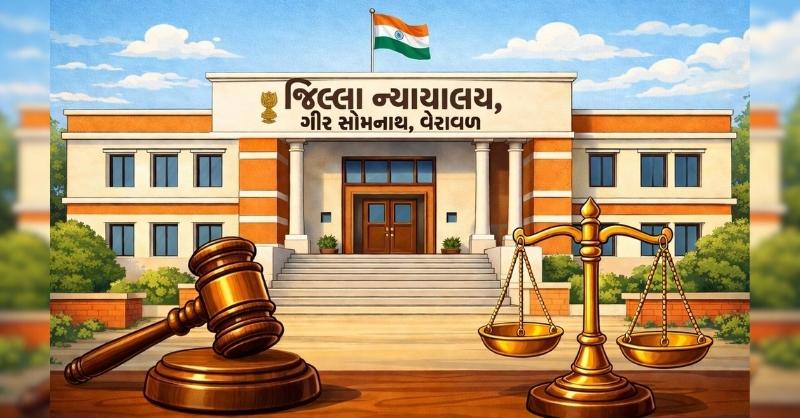
In the much-discussed Una incident case of 2016, after convicting five accused, the Gir Somnath District Court on Tuesday (17 March) delivered its judgment and pronounced the sentence. All have been sentenced to five years of imprisonment each. Earlier, on Monday (16 March), the court had acquitted 35 accused due to a lack of evidence.
Out of 41 accused, five were found guilty and sentenced to five years each. (One accused died during the trial.) Among the five convicted, four have already served more than five years during the trial. Another accused had served four years and two months. As the court ordered the set-off of the sentence, the remaining convicts will be released from jail, and one will go to prison to serve the remaining sentence.
The court convicted five individuals under IPC sections 323 (voluntarily causing hurt), 324 (causing hurt using weapons), 342 (wrongful confinement), 504 (intentional insult), and sections 3(1), (d), 3(1)(e)(r), (s), (u) of the SC/ST Act. However, they were acquitted of charges such as rioting, attempt to murder, criminal conspiracy, and outraging the modesty of a woman, as these charges could not be proven.
The remaining 35 accused have been acquitted of all charges. In its order, the court stated that during the trial, their roles could not be clearly established, and no evidence was found against them in witness testimonies. Due to a lack of evidence, these 35 accused were acquitted.
Let us understand in detail what the court said in its judgment, under which charges the sentence was given, and why certain charges were dropped.
The incident did occur, but the role of all the accused except five could not be clearly established: Court
The court stated in its judgment that the incident definitely took place.
Briefly, the incident is that on 11 July 2016, in Mota Samadhiyala village of Una, some members of the Dalit community were skinning a dead cow when the accused arrived, assaulted them, took them away in a car, tied them to a vehicle, stripped them partially, beat them publicly, paraded them, and finally handed them over to the police.
Videos of this incident went viral on social media, after which there were strong reactions across Gujarat and the country. Subsequently, protests were held at many places in the state, organisations of the Dalit community staged demonstrations, and leaders of political parties also reached Una. Jignesh Mevani, who is currently projecting himself as a ‘messiah’ of the Dalit community, along with his associates, also took up this case and held rallies at various places. In this matter, a case was registered at the local police station based on the complaint of victim Vashram Sarvaiya.
Later, some police personnel were also accused of negligence and deliberate omission of certain aspects, due to which four officials, including the local police inspector, were also made accused. The government handed over the matter for high-level investigation. In 2018, the case was transferred to the Gir Somnath District Court, where, after eight years of trial, the judgment was finally delivered on 16 March.
What did the court say in its judgment?
The court held that it is proven that the five accused assaulted the victims and used caste-based abusive language. However, it could not be proven that all 41 accused had formed a pre-planned conspiracy with a common intention to cause unrest at multiple places.
Additionally, the court removed certain charges, including attempted murder, from the accused.
Why was the charge of attempt to murder removed?
While removing IPC 307, the court stated that although injuries were caused to the victims, they were not serious or life-threatening. The court also took on record statements of doctors from different hospitals who treated the victims, who stated that the injuries were caused by pipes and sticks, but were not serious enough to result in death. It was also noted that no fractures were found.
The court noted that complainant Vashram Sarvaiya and three others were first taken to Una hospital for treatment, after which they were referred to Junagadh. However, they did not go to Junagadh and instead went to a hospital in Rajkot. After being discharged from there, they were admitted to Ahmedabad Civil Hospital the next day.
Based on doctors’ statements, the court recorded that none of the four had injuries on any part of the body that could cause a semi-conscious condition.
Further, the court stated: “Thus, the complaint with which these four injured persons went to Rajkot and Ahmedabad hospitals does not appear to have substance, and it appears that they remained admitted in the hospital in the name of treatment, and during this period, as the accused were in judicial custody, it appears that, with the advice of legal experts, they tried to remain under treatment in the hospital for twenty days so that it could be shown during the hearing of the bail application that the injured were under treatment, and an attempt was made to strengthen the protests, demonstrations, and cases registered in society.”
The court further said: “Even regarding the physical complaints for which they went to Ahmedabad, no substance was found, and their intention to get admitted in Ahmedabad Civil Hospital appears to be not for treatment but something else.”
No notification of weapon prohibition found, Bombay Act Section 135 also removed
The court held that the accused had used weapons, but it could not be proven that a notification under Section 135 of the Bombay Police Act was in force at that time. Therefore, Section 135 was removed. However, as it was proven that injuries were caused by dangerous weapons, IPC Section 324 was applied. Additionally, since some injuries were caused without weapons, Section 323 was also applied.
Why was the charge of outraging the modesty of a woman removed?
In the complaint, a woman from the Dalit family had alleged misconduct and caste-based abuse by the accused, due to which IPC Section 354 was added in the FIR. However, during the trial, due to a lack of evidence, the court removed this section.
The court stated that another woman present at the scene did not mention any such incident in her testimony. The sons and husband of the complainant woman had made allegations, but the court noted that such statements might have been made to make the offence appear more serious.
Therefore, the court removed sections 3(1)(W)(1)(2) of the SC/ST Act and IPC sections 354 and 509.
Rioting charges removed
The court also removed IPC sections 146 and 147 (rioting). Under these sections, if an unlawful assembly commits violence with a common objective, every member becomes guilty.
The court stated that while some members of the crowd assaulted the victims, it was not established that all 41 persons had a common intention from the beginning to assault, publicly humiliate, strip, parade, and take the victims to the police station.
The court further noted that initially four persons arrived, and later others came on motorcycles. It stated that people gathered after information spread that cows were being slaughtered, and more people joined during the procession; therefore, it cannot be proven that all had the intention of rioting.
Additionally, under IPC 505(1)(b), causing public fear and disturbance of peace is an offence. The court stated that while the accused may have intended to create fear among those committing cow slaughter, it could not be proven that they had assembled with a pre-planned intention to disturb public peace at multiple places. No evidence was presented to prove this charge; hence, it was removed.
Clean chit to the police
Serious allegations of negligence were made against the police, and four officers were accused. The victims alleged that the police inspector and other officials misused political influence, created false documents, and acted in a way that harmed the complainant and benefited the accused.
However, based on evidence and witness statements, the court held that it could not be proven that any police personnel acted with intent to harm or deliberately neglected their duty, nor was it proven that they created false documents. Therefore, IPC sections 466 and 177 were removed.
The court also noted that ten days after the incident, after the victims had met community leaders, political leaders, and lawyers, additional details were added in statements given to the police, and allegations of police negligence were made for the first time. Later, the investigation was handed over to a DySP, who found no evidence of negligence or tampering with records.
Therefore, the court removed IPC sections 166A, 167, 177, 204, 294(b), 466 and sections 3(2)(6), 3(2)(7) of the SC/ST Act against police officials, stating that the prosecution failed to prove these charges.
Five accused found guilty; maximum punishment awarded, court says crime was heinous
The court stated that only five accused actively participated in the crime, and it was proven that they assaulted the victims, stripped them, and used caste-based insults. Therefore, they were convicted under the IPC and the SC/ST Act provisions. The role of the remaining accused could not be established, nor was any evidence presented against them.
The court awarded the maximum sentence under the SC/ST Act—five years of imprisonment. While sentencing, the court stated that the accused committed a heinous crime and inflicted atrocities on Dalits, which caused mental trauma to others in society; hence, no leniency could be shown.
“The victim did not try to understand the condition of his own community”
However, the court also stated that due to certain exaggerated portrayals by the complainants, the Dalit community was shocked, and consequences were seen, including the death of one person.
The court noted: “The complainant’s father himself went to Girgadhda hospital in an ambulance for treatment, yet after four days he stated that he had become unconscious and regained consciousness in a government hospital. In reality, this did not happen.”
The court further stated: “…Moreover, although the complainant and his brothers were not in a life-threatening physical condition, an attempt was made to portray in society that their condition was critical and could lead to death. Even after recovery, they intentionally got admitted to Ahmedabad hospital and tried through various means of publicity to show the situation as serious. This caused shock in the Dalit community, and 23 individuals attempted self-immolation by consuming poison, out of which one died.”
The court added: “Due to such conduct of the complainant, sensitive members of the Dalit community were provoked to attempt self-harm, and one person died, causing suffering to his family. Other offences were also registered as a consequence. Thus, it appears that the victim himself did not try to understand the pain of others in his own community.”
Arguments of delay in the trial were also rejected
The court also rejected arguments regarding the delay in trial, stating that the complainant himself presented evidence on 12 October 2023, and another witness presented evidence as late as January 2026. Despite this, the complainant publicly claimed across platforms that justice had been denied for years, thereby attempting to harm the reputation of the court.