Sam Pitroda says Rahul Gandhi skipped parliament to attend Progressive Alliance meet in Germany: Read what is this global alliance that follows Soros ideology
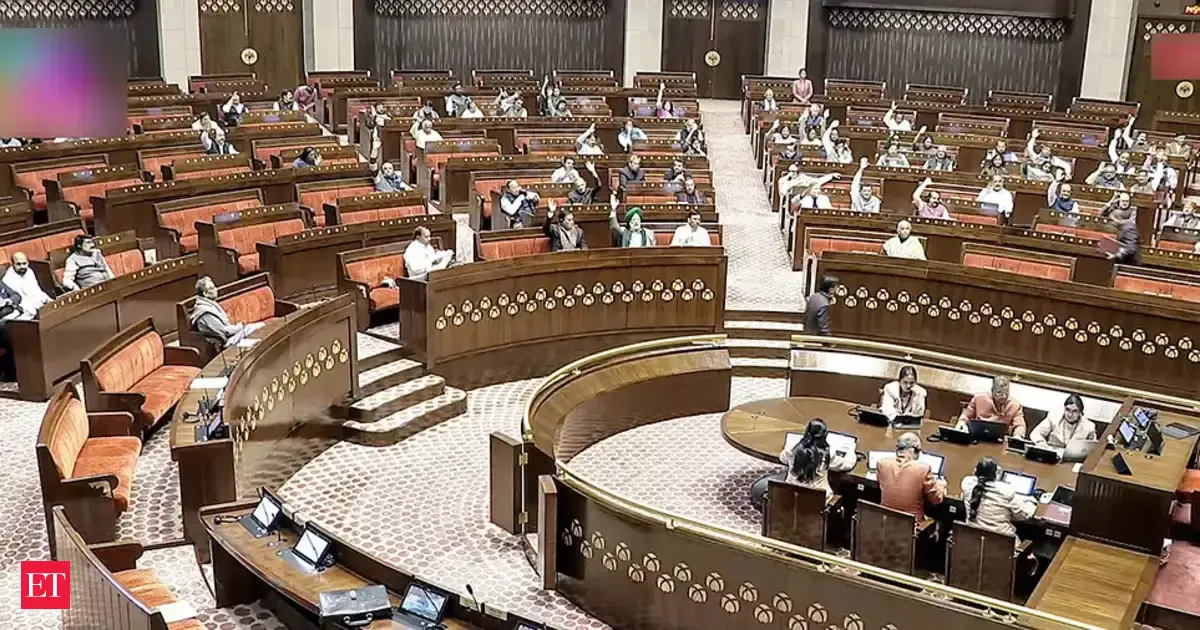
On 26th December, Rahul Gandhi’s adviser Sam Pitroda explained why Rahul Gandhi was absent from the winter session of the Parliament. In an interview with India Today, Pitroda said that Rahul Gandhi had to skip parliament to attend a conference of the Progressive Alliance. He defended Rahul Gandhi by saying that the event was scheduled several months in advance, and he had to attend the conference because the Indian National Congress is a member of the Progressive Alliance and Rahul Gandhi is a member of the Presidium of the alliance. Notably, the Presidium Meeting was held in Berlin on 19th December, while the Parliament was in session from 1st December to 19th December. Pitroda confirmed Rahul Gandhi’s presence at the Progressive Alliance event just after saying that he does not care that Cornelia Woll, who had a meeting with Rahul Gandhi during the Berlin visit, is linked to George Soros. As per the Progressive Alliance website, its Presidium consists of leaders of nine parties, and Rahul Gandhi is one of them, representing the Asian region. The Presidium has two leaders from Asia, two from the Americas, two from Europe, and one each from Africa, the Middle East and Oceania. Notably, the webpage listing the Presidium members doesn’t have the photograph of Rahul Gandhi, he is listed only by his name, while photos of all other members have been provided. Rahul Gandhi had attended another event of the Progressive Alliance last year too, as he was present at a meeting of international political leaders in Santiago to “cooperate in the fight against democratic backsliding and rising global uncertainties.” The event was held on 5 and 6 October in 2024. The Congress party also co-hosted an international conference of the Progressive Alliance in April this year in Hyderabad. Several senior party leaders attended the two-day event. Progressive Alliance has 119 political parties from 97 countries as its members. There are two member parties from India, Indian National Congress and the Samajwadi Party, listed as the Samajwadi (Socialist) Party on its website. Additionally, 30 left-liberal organisations are listed as its members. This includes the Association for Democratic Socialism based in Delhi. Apart from Rahul Gandhi as a member of the Presidium, two Congress leaders are members of the board of the organisation, Sam Pitroda and Jothimani Sennimalai. The Progressive Alliance is an international network of progressive, social-democratic, socialist, and labour parties and organisations. It was established on 22 May 2013 in Leipzig, Germany. It emerged as an alternative to the Socialist International, founded in 1951, primarily due to dissatisfaction among several major parties with the SI’s inclusion of members perceived as undemocratic or authoritarian-leaning. Headquartered in Berlin, it positions itself as a global coordinator for progressive forces addressing challenges like climate change, rising inequality, fair globalisation, workers’ rights, gender equality, sustainability, peace etc. Notably, Progressive Alliance positions itself against right-wing politics, saying it is “determined to defend this progress against authoritarian and reactionary opponents.” As per its guiding principles, Progressive Alliance takes up ‘political arms against the dangerous new authoritarianism and increasing right-wing populism,’ alleging that right-wing politics “pursues a policy of division, fuels hate and fear and promotes marginalisation and isolation.” On the same ideological page as George Soros Interestingly, this ideology of the organisation reflects the philosophy of George Soros and his Open Society Foundation. Soros has consistently opposed nationalism and populism, labelling them as existential threats to democracy, human rights, and pluralistic governance. He has described the rise of nationalist leaders as a major setback to open societies, claiming that they foster closed, authoritarian systems that undermine accountability, tolerance, and global cooperation. Soros had framed right-wing nationalist governments, including the Narendra Modi government in India, Viktor Orbán government in Hungary, Donald Trump government in the United States, and others, as adversaries to the principles of open society. He and his organisations, including the Open Society Foundation, are working non-stop to destabilise these governments. George Soros has been openly critical of the Narendra Modi government, calling it a Hindu nationalist regime and claiming that it represents a significant challenge to democratic openness. In a 2020 speech at the World Economic Forum in Davos, he highlighted India under Modi as the “biggest and most frightening setback” to open societies, citing policies on Kashmir and citizenship as examples. More recently, in a 2023 address ahead of the Munich Security Conference, Soros linked the Adani Group’s market turmoil, following the now-debunke
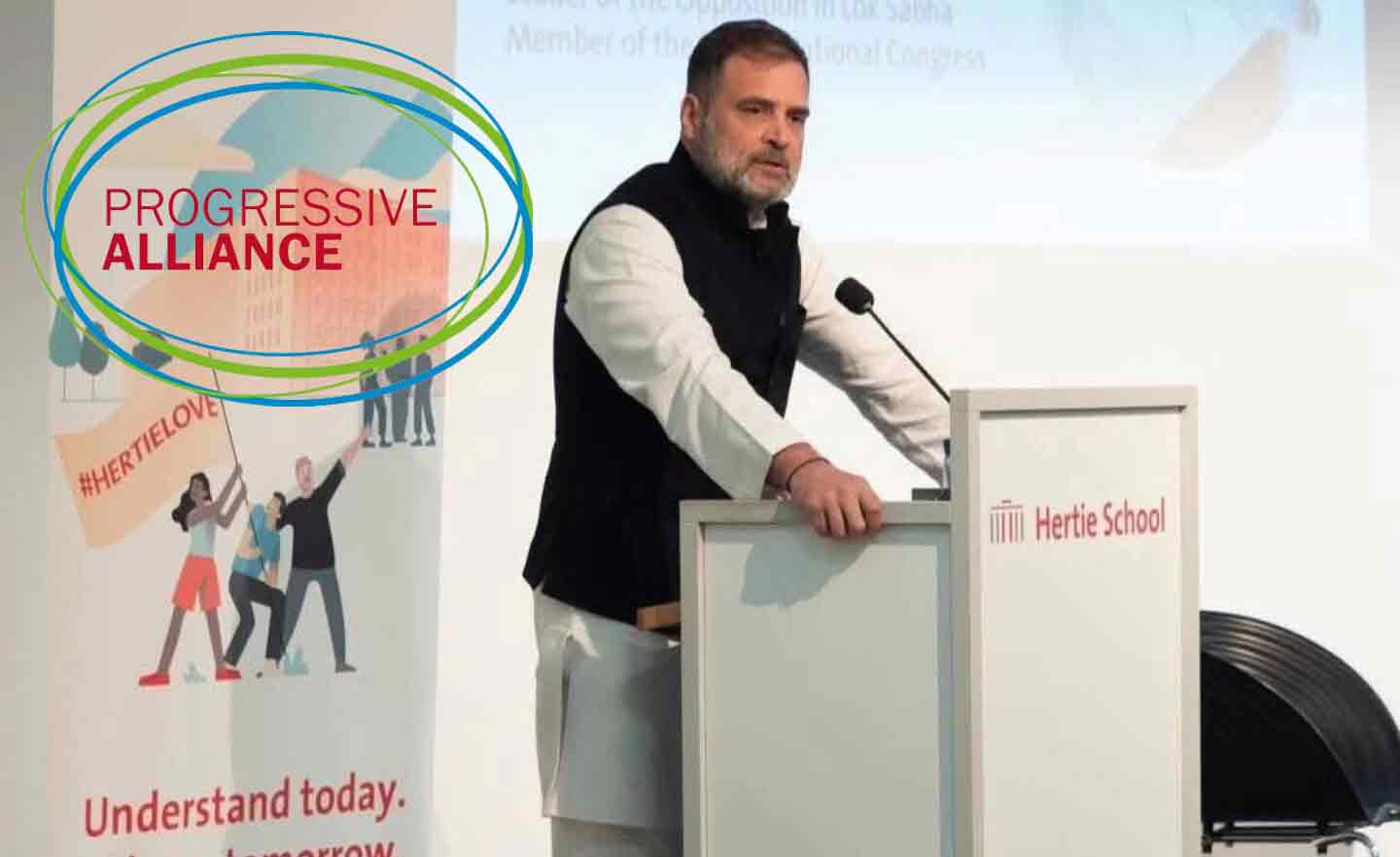

On 26th December, Rahul Gandhi’s adviser Sam Pitroda explained why Rahul Gandhi was absent from the winter session of the Parliament. In an interview with India Today, Pitroda said that Rahul Gandhi had to skip parliament to attend a conference of the Progressive Alliance.
He defended Rahul Gandhi by saying that the event was scheduled several months in advance, and he had to attend the conference because the Indian National Congress is a member of the Progressive Alliance and Rahul Gandhi is a member of the Presidium of the alliance. Notably, the Presidium Meeting was held in Berlin on 19th December, while the Parliament was in session from 1st December to 19th December.
Pitroda confirmed Rahul Gandhi’s presence at the Progressive Alliance event just after saying that he does not care that Cornelia Woll, who had a meeting with Rahul Gandhi during the Berlin visit, is linked to George Soros.
As per the Progressive Alliance website, its Presidium consists of leaders of nine parties, and Rahul Gandhi is one of them, representing the Asian region. The Presidium has two leaders from Asia, two from the Americas, two from Europe, and one each from Africa, the Middle East and Oceania.
Notably, the webpage listing the Presidium members doesn’t have the photograph of Rahul Gandhi, he is listed only by his name, while photos of all other members have been provided.

Rahul Gandhi had attended another event of the Progressive Alliance last year too, as he was present at a meeting of international political leaders in Santiago to “cooperate in the fight against democratic backsliding and rising global uncertainties.” The event was held on 5 and 6 October in 2024.
The Congress party also co-hosted an international conference of the Progressive Alliance in April this year in Hyderabad. Several senior party leaders attended the two-day event.
Progressive Alliance has 119 political parties from 97 countries as its members. There are two member parties from India, Indian National Congress and the Samajwadi Party, listed as the Samajwadi (Socialist) Party on its website. Additionally, 30 left-liberal organisations are listed as its members. This includes the Association for Democratic Socialism based in Delhi.
Apart from Rahul Gandhi as a member of the Presidium, two Congress leaders are members of the board of the organisation, Sam Pitroda and Jothimani Sennimalai.

The Progressive Alliance is an international network of progressive, social-democratic, socialist, and labour parties and organisations. It was established on 22 May 2013 in Leipzig, Germany. It emerged as an alternative to the Socialist International, founded in 1951, primarily due to dissatisfaction among several major parties with the SI’s inclusion of members perceived as undemocratic or authoritarian-leaning.
Headquartered in Berlin, it positions itself as a global coordinator for progressive forces addressing challenges like climate change, rising inequality, fair globalisation, workers’ rights, gender equality, sustainability, peace etc. Notably, Progressive Alliance positions itself against right-wing politics, saying it is “determined to defend this progress against authoritarian and reactionary opponents.”
As per its guiding principles, Progressive Alliance takes up ‘political arms against the dangerous new authoritarianism and increasing right-wing populism,’ alleging that right-wing politics “pursues a policy of division, fuels hate and fear and promotes marginalisation and isolation.”
On the same ideological page as George Soros
Interestingly, this ideology of the organisation reflects the philosophy of George Soros and his Open Society Foundation. Soros has consistently opposed nationalism and populism, labelling them as existential threats to democracy, human rights, and pluralistic governance. He has described the rise of nationalist leaders as a major setback to open societies, claiming that they foster closed, authoritarian systems that undermine accountability, tolerance, and global cooperation.
Soros had framed right-wing nationalist governments, including the Narendra Modi government in India, Viktor Orbán government in Hungary, Donald Trump government in the United States, and others, as adversaries to the principles of open society. He and his organisations, including the Open Society Foundation, are working non-stop to destabilise these governments.
George Soros has been openly critical of the Narendra Modi government, calling it a Hindu nationalist regime and claiming that it represents a significant challenge to democratic openness. In a 2020 speech at the World Economic Forum in Davos, he highlighted India under Modi as the “biggest and most frightening setback” to open societies, citing policies on Kashmir and citizenship as examples.
More recently, in a 2023 address ahead of the Munich Security Conference, Soros linked the Adani Group’s market turmoil, following the now-debunked allegations from Hindenburg Research, to potential political consequences for Modi, suggesting it could weaken his influence and prompt a “democratic revival.” He stated that Modi and Gautam Adani were “close allies” whose fates were intertwined, and that the prime minister would need to address questions on the matter.
Soros has been opposing governments he perceives as nationalist or authoritarian, and it is evident that the Progressive Alliance also thinks the same.
How Progressive Alliance influences policies across the world
Although not very well known, Progressive Alliance is actually a very powerful and influential organisation, as its membership includes some of the largest, oldest, and most electorally powerful political parties in the world. Taken together, these parties govern, or have governed in the past, many of the world’s most important economies and democracies, giving the Alliance substantial global weight.
The most prominent member is the Democratic Party of the USA, one of the two dominant parties in the world’s largest economy and most powerful military. Other parties that have ruled powerful economies include the Labour Party of the UK, the Social Democratic Party of Germany, the Socialist Party of France, and the Spanish Socialist Workers’ Party. Given that it has members from 97 countries, it represents almost all major nations in the world from all the continents.
The Alliance has strong international alliances and has long-standing relationships with unions, NGOs, and policy institutions. This allows it to influence the policies of the countries. When its members become ruling parties, policies in those countries are shaped according to the agenda set by the organisation.
Some of the recent policies of the Congress party can be attributed to this alliance. For example, the Congress party became its member in 2013, when the Progressive Alliance was founded in Rome. After that, the party became a vocal critic of Electronic Voting Machines, while the use of EVMs was started during the Congress government.
Similarly, the Congress party leaning towards more socialism and away from economic liberalisation also coincides with its association with the Alliance.