Should Punjab CM resign on orders of Akal Takht? The Bhagwant Mann controversy and the historical lesson of Tiwana: When the ‘Chief Minister’ bowed to Jinnah’s pressure
The Akal Takht has labelled Punjab Chief Minister Bhagwant Mann as a “Guru-dhokhi” (one who has betrayed the Guru) and declared him an adversary of the Khalsa Panth. There are increasing demands for his resignation and calls for his boycott, subjecting him to both political and religious pressure. Mann has dismissed these accusations and has shown no signs of intending to give up his chair. As we discuss whether Mann should step down, it is first vital to understand the Punjab of the 1940s, as this period offers significant historical context for the matter at hand. The Punjab of that time was significantly different from today. During that period, both Lahore and Rawalpindi were part of the region. Punjab before 1947 At that time, the Chief Minister or Premier of Punjab was Malik Khizar Hayat Tiwana. He was a key figure in Punjab’s powerful Unionist Party and initially took on the role of Chief Minister in 1942. He returned to the office in 1946. His government received support from the region’s two principal political parties: the Akali Dal and the Congress. This era was marked by massive upheaval in the country. The Muslim League was advocating for a separate Pakistan, while the Congress was resisting the partition of the nation, and the British were attempting to maintain their authority. Malik Khizar Hayat Tiwana By the year 1945, the Second World War had concluded, and it became increasingly hard for the British to sustain their control over India. In February 1947, British Prime Minister Clement Attlee announced that the country would be granted independence. Subsequently, the British acquiesced to the Muslim League’s demand for Pakistan and revealed a plan for the partition of India in June 1947. Sir Cyril Radcliffe was dispatched to establish the borders between India and Pakistan. The demarcation process was greatly impacted by factors such as population, religion, language and the preferences of local leadership. The league argued that Muslims represented the largest demographic group in Punjab and hence the entire province should be incorporated into Pakistan. When Muhammad Ali Jinnah wanted the whole of Punjab to become part of Pakistan, Punjab Premier Malik Khizar Hayat Tiwana stood in his way.A staunch opponent of Punjab’s partition, Tiwana remained committed to a united Punjab despite growing pressure from the Muslim League.… pic.twitter.com/CjrgAutbVd— OpIndia.com (@OpIndia_com) June 19, 2026 It was not solely Hindu leaders who opposed this demand. The Muslim League faced its strongest opposition from Tiwana. He was an influential Muslim leader, yet he unequivocally rejected the partition of Punjab. In fact, this resistance was not a recent development. A conflict between the Unionist Party and the Muslim League had been ongoing since 1935. An agreement was even set up between Sir Sikandar Hayat Khan and Mohammad Ali Jinnah in 1937. This deal had no mention of Pakistan, but Jinnah sought the Unionist Party legislators to align with the League. In 1940, the Muslim League adopted the Lahore Resolution, which became known as the Pakistan Resolution. Afterwards, the Muslim League consistently applied pressure on the Unionist Party to endorse the creation of Pakistan. Most senior leaders of the Unionist Party were Muslims, and therefore, they faced pressure based on their religious affiliations. By 1944, the Muslim League’s influence had expanded considerably. During a meeting, Jinnah urged Tiwana to support the Pakistan movement. Although Tiwana hesitated momentarily, the Governor of Punjab counselled him to maintain his stance, and he ultimately declined to comply with Jinnah’s requests. Jinnah and his associates then initiated an extensive smear campaign against him. He was labelled a traitor to his community, a kafir (infidel) and a foe of Muslims. Jinnah himself referred to him as a kafir. This campaign escalated further following the announcement of the partition. Tiwana consistently asserted that Punjab should not be divided. He believed that the individuals of different faiths residing in Punjab shared a common cultural heritage. Nevertheless, this viewpoint proved to be politically detrimental for him. Protests erupted on the streets against him, and his effigies were displayed in mock funeral processions. Maulanas delivered speeches denouncing him. Wherever he went, he was vilified as an infidel and a traitor to the community. His vehicles were surrounded, and he endured continuous social and religious pressure. On 2nd March 1947, Tiwana ultimately resigned from his position as Chief Minister. RK Kaushik, a former IAS officer, has detailed the events surrounding his resignation in an article featured in “The Tribune.” Kaushik recounted that on the day he resigned, Tiwana paid a visit to the residence of Punjab’s Education Minister, Ibrahim Khan Barq. During this visit, the minister’s 8-year-old son confronted him, asking, “Are you the
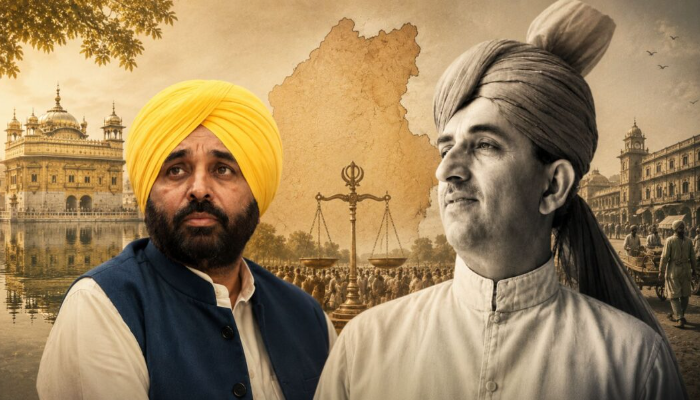
The Akal Takht has labelled Punjab Chief Minister Bhagwant Mann as a “Guru-dhokhi” (one who has betrayed the Guru) and declared him an adversary of the Khalsa Panth. There are increasing demands for his resignation and calls for his boycott, subjecting him to both political and religious pressure. Mann has dismissed these accusations and has shown no signs of intending to give up his chair.
As we discuss whether Mann should step down, it is first vital to understand the Punjab of the 1940s, as this period offers significant historical context for the matter at hand. The Punjab of that time was significantly different from today. During that period, both Lahore and Rawalpindi were part of the region.
Punjab before 1947
At that time, the Chief Minister or Premier of Punjab was Malik Khizar Hayat Tiwana. He was a key figure in Punjab’s powerful Unionist Party and initially took on the role of Chief Minister in 1942. He returned to the office in 1946. His government received support from the region’s two principal political parties: the Akali Dal and the Congress.
This era was marked by massive upheaval in the country. The Muslim League was advocating for a separate Pakistan, while the Congress was resisting the partition of the nation, and the British were attempting to maintain their authority.
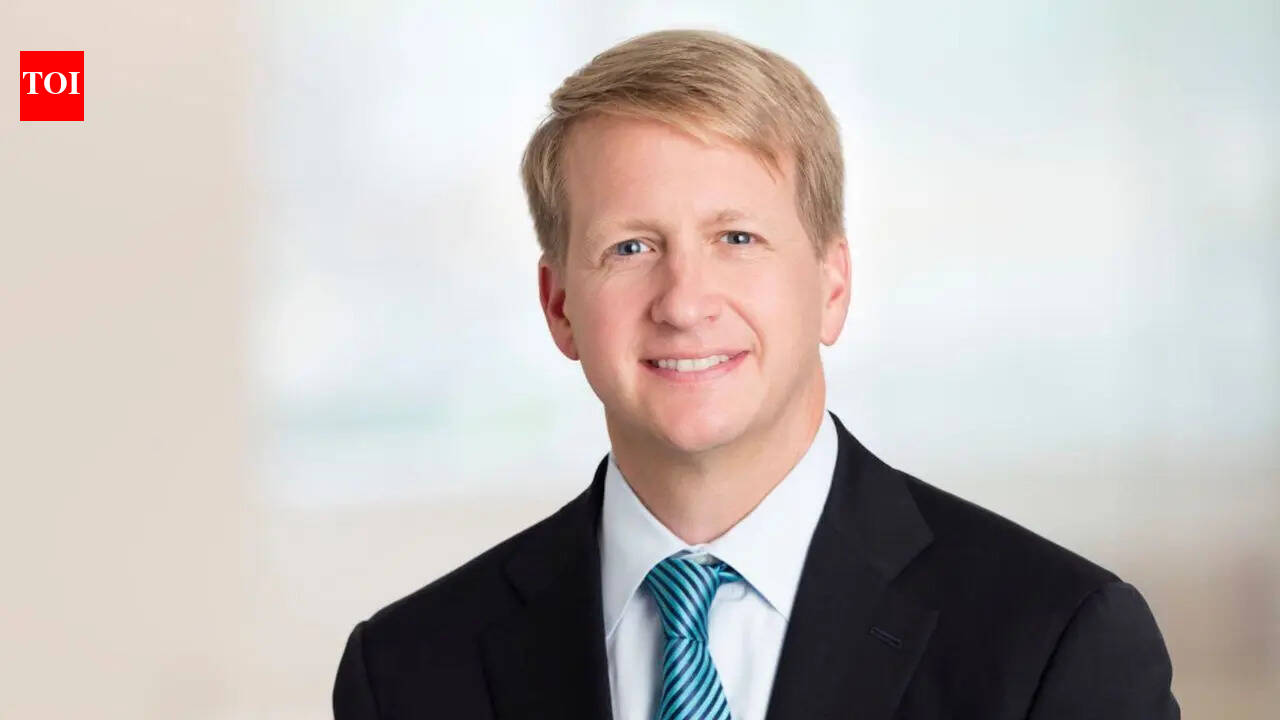
Malik Khizar Hayat Tiwana
By the year 1945, the Second World War had concluded, and it became increasingly hard for the British to sustain their control over India. In February 1947, British Prime Minister Clement Attlee announced that the country would be granted independence. Subsequently, the British acquiesced to the Muslim League’s demand for Pakistan and revealed a plan for the partition of India in June 1947.
Sir Cyril Radcliffe was dispatched to establish the borders between India and Pakistan. The demarcation process was greatly impacted by factors such as population, religion, language and the preferences of local leadership. The league argued that Muslims represented the largest demographic group in Punjab and hence the entire province should be incorporated into Pakistan.
When Muhammad Ali Jinnah wanted the whole of Punjab to become part of Pakistan, Punjab Premier Malik Khizar Hayat Tiwana stood in his way.A staunch opponent of Punjab’s partition, Tiwana remained committed to a united Punjab despite growing pressure from the Muslim League.… pic.twitter.com/CjrgAutbVd— OpIndia.com (@OpIndia_com) June 19, 2026
It was not solely Hindu leaders who opposed this demand. The Muslim League faced its strongest opposition from Tiwana. He was an influential Muslim leader, yet he unequivocally rejected the partition of Punjab.
In fact, this resistance was not a recent development. A conflict between the Unionist Party and the Muslim League had been ongoing since 1935. An agreement was even set up between Sir Sikandar Hayat Khan and Mohammad Ali Jinnah in 1937. This deal had no mention of Pakistan, but Jinnah sought the Unionist Party legislators to align with the League.
In 1940, the Muslim League adopted the Lahore Resolution, which became known as the Pakistan Resolution. Afterwards, the Muslim League consistently applied pressure on the Unionist Party to endorse the creation of Pakistan. Most senior leaders of the Unionist Party were Muslims, and therefore, they faced pressure based on their religious affiliations.
By 1944, the Muslim League’s influence had expanded considerably. During a meeting, Jinnah urged Tiwana to support the Pakistan movement. Although Tiwana hesitated momentarily, the Governor of Punjab counselled him to maintain his stance, and he ultimately declined to comply with Jinnah’s requests.
Jinnah and his associates then initiated an extensive smear campaign against him. He was labelled a traitor to his community, a kafir (infidel) and a foe of Muslims. Jinnah himself referred to him as a kafir. This campaign escalated further following the announcement of the partition.
Tiwana consistently asserted that Punjab should not be divided. He believed that the individuals of different faiths residing in Punjab shared a common cultural heritage. Nevertheless, this viewpoint proved to be politically detrimental for him. Protests erupted on the streets against him, and his effigies were displayed in mock funeral processions. Maulanas delivered speeches denouncing him. Wherever he went, he was vilified as an infidel and a traitor to the community. His vehicles were surrounded, and he endured continuous social and religious pressure.
On 2nd March 1947, Tiwana ultimately resigned from his position as Chief Minister. RK Kaushik, a former IAS officer, has detailed the events surrounding his resignation in an article featured in “The Tribune.”
Kaushik recounted that on the day he resigned, Tiwana paid a visit to the residence of Punjab’s Education Minister, Ibrahim Khan Barq. During this visit, the minister’s 8-year-old son confronted him, asking, “Are you the same Khizar Tiwana uncle who is obstructing the Muslim nation of Pakistan? I will not shake your hand.” This comment profoundly disturbed Tiwana.
He confided in the Development Minister, Sardar Swaran Singh, expressing, “I could have persisted in the struggle against the Muslim League, but if even our children are beginning to see us as adversaries, it is wiser for us to withdraw and allow events to unfold organically.”
He subsequently stepped down. The day after, Mohammad Ali Jinnah proclaimed that the primary hindrance to the creation of Pakistan had been overcome. Historians believe that the situation in Punjab deteriorated rapidly thereafter, marking the onset of widespread communal violence.
Should Bhagwant Mann resign
The present controversy involving Bhagwant Mann evokes memories of the region’s history. The Akal Takht has announced that it has received two objectionable videos featuring Bhagwant Mann, leading it to classify him as an opponent of the Khalsa Panth. In addition, various political parties, including the Akali Dal and the Congress, have called for his resignation based on these allegations.
Nevertheless, if the issue of Mann’s resignation is to be considered, the rationale must be rooted in democratic and administrative principles. If one contends that Punjab’s debt has increased during his tenure, crime control has been ineffective, criminals are making video calls from prisons, the drug problem remains unresolved, or election promises have not been met, these are issues that pertain to political accountability and the public interest. On such bases, the public is entitled to seek answers from a Chief Minister and may even call for their resignation.
The notion that an elected Chief Minister should resign merely due to an order from a religious institution raises major concerns from a democratic standpoint. If a leader has offended religious sentiments, the Akal Takht has the authority to impose religious penance, limit their religious privileges or initiate a social boycott. However, the ultimate decision regarding their continuation in a democratic role must be left to the electorate.
The people are the ultimate source of authority in a democratic system. If the public believes that a leader has failed to uphold their trust, they have the option to remove them from power in the subsequent election. The upcoming election in Punjab is approaching and this decision should rest with the populace, rather than a system that claims superiority over elected officials.
The story of Tiwana serves as a historical case pertinent to this issue. This account transcends the resignation of a single individual and delves into the crucial debate of whether democratic governance should be influenced by religious pressures. Historical evidence indicates that when political choices are swayed by religious or communal influences instead of the democratic framework, the entire society could face serious repercussions.
Read the original report in Hindi here.