The economic doom that never came: Despite fear-mongering by Congress and their ecosystem, India sailed through the West Asia crisis and maintained growth
On June 3, Rahul Gandhi predicted an imminent doom and gloom for India. Speaking at an event, he proclaimed, “A severe economic Tsunami is going to hit the country, one that will cripple our economy, and it will be worse than any economic crisis you have seen in your lives. The entire system is collapsing, and the Modi government is not capable of stopping it.” भयंकर आर्थिक सुनामी आ रही है और नरेंद्र मोदी इसके बारे में न कुछ कर रहे हैं, न कर सकते हैं।समझिए क्यों? pic.twitter.com/h2HKeh7Jp0— Congress (@INCIndia) June 3, 2026 Before that, Rajdeep Sardesai had shared a clip where Raghuram Rajan, the former Reserve Bank Governor under the UPA regime, predicted another economic doom, the latest doom among the four dozen or so he has predicted so far after his tenure was not renewed by the Modi government in 2014. As with all those previous dooms predicted by Raghuram Rajan, this one too never came. Worth a listen to Raghuram Rajan here : why no country is immune to the West Asia crisis. https://t.co/uq6UVhnffb— Rajdeep Sardesai (@sardesairajdeep) March 20, 2026 Congress spokesperson Supriya Shrinate claimed in March this year, “69% of India’s LNG imports depend on the Strait of Hormuz, which is blocked for India. So no matter what “sources” tell us, we are staring at a huge problem. Where is Epstein’s pal Hardeep Puri amidst it all? 69% of India's LNG imports depend on the Strait of Hormutz, which is blocked for India.So no matter what “sources” tell we are staring at a huge problem.Where is Epstein’s pal Hardeep Puri amidst it all? pic.twitter.com/NhFuJcR0FG— Supriya Shrinate (@SupriyaShrinate) March 9, 2026 Not just the Opposition and their media ecosystem; the impending economic doom was heralded by the likes of coaching centre expert-turned-aspiring-politician Awadh Ojha, who declared that the impending economic crisis will trigger a mass revolution where people will start killing each other, and India is on that path. He even boasted that he would soon be shifting to China to escape the economic doom that is coming to India. AAP leader Avadh Ojha wants civil war in India.Says he has made arrangements in China and will flee there.They say such things openly even after losing Delhi elections, imagine how they would have fueled the said civil war if they had won. pic.twitter.com/77p4O7HckH— Political Kida (@PoliticalKida) April 1, 2026 Sadly for the above-mentioned experts, the alleged economic doom never came. India, as it seems, has yet again managed to navigate past a complex economic and geopolitical crisis relatively unhurt. How India sailed through a complex geopolitical situation and supply crisis in the Strait of Hormuz Despite importing around 85-90% of its crude oil, with significant LNG exposure from Qatar and the UAE, the Indian economy avoided a deep recession or sustained high inflation that was predicted in dozens of media headlines and expert warnings, amplified by dozens of podcasts and screamed by scores of politicians with all the confidence and seriousness of oracles. Temporary spikes in fuel and cooking gas prices occurred, and there were logistical disruptions, but growth remained stable, the current account deficit stayed manageable, and forex reserves provided a buffer. The doom never came because India had buffers, defences and diversifications planned. India has been preparing for global uncertainties and navigating a geopolitical tightrope with remarkable resilience, displayed through steady leadership and mature foreign policy that prioritises on national interests. Russia had already become a major crude supplier post-2022, often at discounted prices. Taking full advantage of a temporary sanctions waiver from the USA, India further ramped up purchases, alongside increased sourcing from the US, Africa, and others. This offset much of the Gulf shortfall when Hormuz traffic plummeted. With LPG supplies affected due to the conflict in the Strait of Hormuz, India took a set of rapid decisions. It made domestic refiners boost output of domestic cooking gas, the government accelerated piped gas connections and ethanol blending. Diplomatic channels reportedly helped secure limited safe passages or alternative routing for some cargoes. Leveraging the decades-long cultural and diplomatic goodwill developed with Iran, even during the peak of the war, India-bound LPG tankers kept crossing the Strait, to be escorted by the Indian Navy waiting for them in the Gulf of Oman. LPG import diversification was managed with remarkable efficiency. India increased spot and term contracts from non-Gulf suppliers, like the USA, Angola, Nigeria, etc, while also working on pre-existing contracts. These were a result of relationships built over years of astute and peace-oriented diplomacy. Combined with a focused domestic effort of accelerating piped natural gas connections and increased domestic refining output for LPG from crude oil processing, crucial
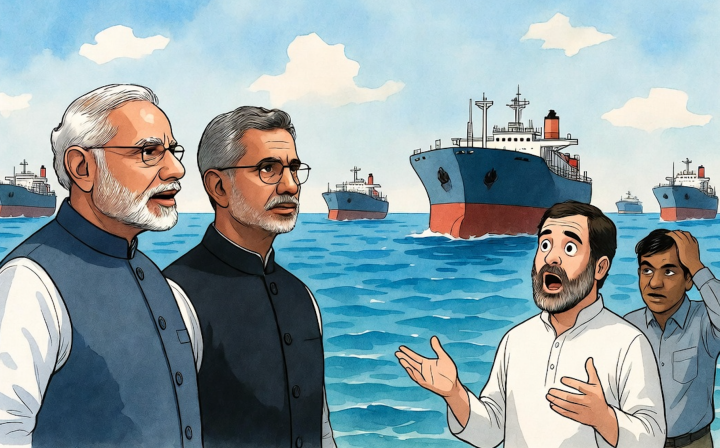
On June 3, Rahul Gandhi predicted an imminent doom and gloom for India. Speaking at an event, he proclaimed, “A severe economic Tsunami is going to hit the country, one that will cripple our economy, and it will be worse than any economic crisis you have seen in your lives. The entire system is collapsing, and the Modi government is not capable of stopping it.”
भयंकर आर्थिक सुनामी आ रही है और नरेंद्र मोदी इसके बारे में न कुछ कर रहे हैं, न कर सकते हैं।समझिए क्यों? pic.twitter.com/h2HKeh7Jp0— Congress (@INCIndia) June 3, 2026
Before that, Rajdeep Sardesai had shared a clip where Raghuram Rajan, the former Reserve Bank Governor under the UPA regime, predicted another economic doom, the latest doom among the four dozen or so he has predicted so far after his tenure was not renewed by the Modi government in 2014. As with all those previous dooms predicted by Raghuram Rajan, this one too never came.
Worth a listen to Raghuram Rajan here : why no country is immune to the West Asia crisis. https://t.co/uq6UVhnffb— Rajdeep Sardesai (@sardesairajdeep) March 20, 2026
Congress spokesperson Supriya Shrinate claimed in March this year, “69% of India’s LNG imports depend on the Strait of Hormuz, which is blocked for India. So no matter what “sources” tell us, we are staring at a huge problem. Where is Epstein’s pal Hardeep Puri amidst it all?
69% of India's LNG imports depend on the Strait of Hormutz, which is blocked for India.So no matter what “sources” tell we are staring at a huge problem.Where is Epstein’s pal Hardeep Puri amidst it all? pic.twitter.com/NhFuJcR0FG— Supriya Shrinate (@SupriyaShrinate) March 9, 2026
Not just the Opposition and their media ecosystem; the impending economic doom was heralded by the likes of coaching centre expert-turned-aspiring-politician Awadh Ojha, who declared that the impending economic crisis will trigger a mass revolution where people will start killing each other, and India is on that path. He even boasted that he would soon be shifting to China to escape the economic doom that is coming to India.
AAP leader Avadh Ojha wants civil war in India.Says he has made arrangements in China and will flee there.They say such things openly even after losing Delhi elections, imagine how they would have fueled the said civil war if they had won. pic.twitter.com/77p4O7HckH— Political Kida (@PoliticalKida) April 1, 2026
Sadly for the above-mentioned experts, the alleged economic doom never came. India, as it seems, has yet again managed to navigate past a complex economic and geopolitical crisis relatively unhurt.
How India sailed through a complex geopolitical situation and supply crisis in the Strait of Hormuz
Despite importing around 85-90% of its crude oil, with significant LNG exposure from Qatar and the UAE, the Indian economy avoided a deep recession or sustained high inflation that was predicted in dozens of media headlines and expert warnings, amplified by dozens of podcasts and screamed by scores of politicians with all the confidence and seriousness of oracles.
Temporary spikes in fuel and cooking gas prices occurred, and there were logistical disruptions, but growth remained stable, the current account deficit stayed manageable, and forex reserves provided a buffer.
The doom never came because India had buffers, defences and diversifications planned.
India has been preparing for global uncertainties and navigating a geopolitical tightrope with remarkable resilience, displayed through steady leadership and mature foreign policy that prioritises on national interests.
Russia had already become a major crude supplier post-2022, often at discounted prices. Taking full advantage of a temporary sanctions waiver from the USA, India further ramped up purchases, alongside increased sourcing from the US, Africa, and others. This offset much of the Gulf shortfall when Hormuz traffic plummeted.
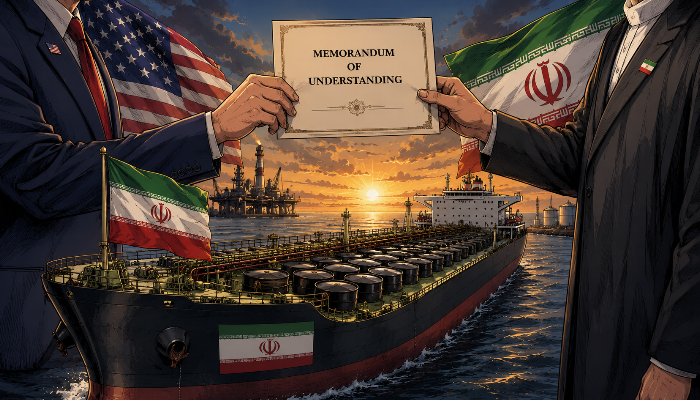
With LPG supplies affected due to the conflict in the Strait of Hormuz, India took a set of rapid decisions. It made domestic refiners boost output of domestic cooking gas, the government accelerated piped gas connections and ethanol blending. Diplomatic channels reportedly helped secure limited safe passages or alternative routing for some cargoes. Leveraging the decades-long cultural and diplomatic goodwill developed with Iran, even during the peak of the war, India-bound LPG tankers kept crossing the Strait, to be escorted by the Indian Navy waiting for them in the Gulf of Oman.
LPG import diversification was managed with remarkable efficiency. India increased spot and term contracts from non-Gulf suppliers, like the USA, Angola, Nigeria, etc, while also working on pre-existing contracts. These were a result of relationships built over years of astute and peace-oriented diplomacy. Combined with a focused domestic effort of accelerating piped natural gas connections and increased domestic refining output for LPG from crude oil processing, crucial gaps in supply were filled.
CEA Ananth Nageswaran explains brilliantly how India navigated the west Asia conflict and emerged unscathed pic.twitter.com/CHpRo2xrja— Siddhant Mishra (@siddhantvm) June 29, 2026
Chief Economic Adviser V Anantha Nageswaran has highlighted these achievements in an op-ed titled “Steady and stable as she goes: India and the economic fallout of the Gulf conflict”. The article mentions how proactive measures- rapid diversification of oil sources to the US and Russia, increased domestic refining of cooking gas, a push for piped gas, coal gasification, ethanol blending, and strategic crude storage deals, aided by PM Modi’s UAE visit– helped the country navigate through a complex and fragile global crisis relatively unhurt.
It also describes how India’s growth forecasts were revised upward to 6.8% for CY26 and 6.5% for FY27, and the current account deficit stayed low at around ~0.6% of GDP, and FDI remained resilient amid all these difficulties. Nageswaran writes how sound policymaking and diplomatic agility made all this possible.
India is on a growth path, and it is likely to continue, irrespective of the collapse predicted by the usual elements
It would be rather juvenile to claim that India won’t be affected by economic challenges anymore. We are living in a volatile world where too much money and too much firepower are at play, and the geopolitical scene will continue to remain difficult for a rising global power. India faces unique challenges and unique advantages when it comes to growth.
The doom and gloom that the above-mentioned ‘experts’ keep predicting was predicted to strike India even during the COVID pandemic. However, India managed to navigate that too, all because of the same steady leadership and the relative resilience of the Indian people, who are not prone to give in to despair.
India has consistently maintained a steady growth trajectory in the last decade. Pragmatic leadership, marked by decisive policy interventions and diplomatic agility, has helped cushion external blows and prevent them from derailing the broader economic momentum that drives the nation forward. It is not just the government; the resilience of the Indian people has been equally vital in maintaining the momentum of growth.
We are a population that adapts quickly and refuses to surrender to despair or panic. This combination of steady governance and societal tenacity has enabled India not merely to weather global crises but to emerge with upgraded growth forecasts and strengthened fundamentals. The challenges are going to stay. Energy security, technological disruption, and global volatility will be consistent factors in the coming years, but the last few years show that India is quite likely to face those challenges and continue growing stronger.