West Bengal assembly passes two OBC amendment bills, removes OBC quota granted by the Mamata Banerjee govt to 77 Muslim communities
On Monday, 29th June, the West Bengal Legislative Assembly passed two amendment bills that formally changed the state’s Other Backwards Classes (OBC) reservation laws and implemented the directions of the Calcutta High Court issued in May 2024. With the passage of these bills, the OBC status granted to 77 Muslim communities during the Trinamool Congress (TMC) government led by Mamata Banerjee has been removed, while the reservation structure has also been revised. Bengal Removes 77 Muslim Communities From OBC List, Shrinks Quotahttps://t.co/HDOcqyNgX6 pic.twitter.com/t8bx07ZvDY— NDTV (@ndtv) June 30, 2026 The two legislations, the West Bengal Backwards Classes (Other than Scheduled Castes and Scheduled Tribes) Reservation of Vacancies in Services and Posts (Amendment) Bill, 2026 and the West Bengal Commission for Backwards Classes (Amendment) Bill, 2026, were introduced by Backwards Classes Development Minister Gourishankar Ghosh. VIDEO | Kolkata: Backward Classes amendment bill passed in West Bengal AssemblySource: Third Party pic.twitter.com/2AzaQuNueU— Press Trust of India (@PTI_News) June 29, 2026 The bills were passed with 186 MLAs voting in favour and 17 opposing them. A group of rebel TMC MLAs led by Ritabrata Banerjee walked out during the proceedings, while Indian Secular Front MLA Nawsad Siddiqui said the bills should have been discussed in greater detail before being approved. Laws amended after the May notification Soon after coming to power in West Bengal in May, the Bharatiya Janata Party (BJP)-led government issued notifications to implement the High Court’s directions. However, although the administrative orders came into effect at that time, the required amendments to the state’s reservation laws had not been passed until now. Monday’s legislation brings the legal framework in line with those earlier notifications. The amendments revise the OBC reservation quota from the earlier combined 17% to 7% and also reorganise the OBC categories. Along with this, changes have been made to the 1993 law governing the West Bengal Commission for Backward Classes, giving the commission a central role in identifying backward communities in the future. What changes have been made in the OBC list Following the amendments, only 66 communities remain on West Bengal’s official OBC list for reservation in government jobs and educational institutions. According to the government order issued on 18th May, only those communities that had been included in the state OBC list before 2010 continue to be eligible for reservation under Article 16(4) of the Constitution. The order also cancelled the earlier arrangement that provided separate reservations of 10% for OBC Category A and 7% for OBC Category B. Under the revised system, eligible OBC communities will together receive 7% reservation. Among the Muslim communities that continue to remain on the OBC list are Jolah (Ansari Momin), Fakir, Pahadia Muslim, Hajjam (Muslim) and Chowduli (Muslim). At the same time, 77 Muslim communities that had received OBC status during the TMC government have been removed from the list. These include Muslim Nehariya, Muslim Haldar, Muslim Sanpui, Muslim Mali, Ghosi (Muslim), Muslim Darji/Ostagar/Idrisi, Muslim Rajmistri, Muslim Batiyara, Muslim Molla and Dhali (Muslim), among several others. Government cites High Court directions Addressing the Assembly, Minister Gourishankar Ghosh said the amendments were necessary to comply with the Calcutta High Court’s judgment. He stated that communities added to the OBC list by the previous TMC government without any survey had been removed, and only 66 communities identified through proper surveys had been retained. He also said the amended law strengthens the role of the West Bengal Commission for Backwards Classes, which will now conduct surveys to determine whether communities qualify for OBC status. According to Ghosh, the previous government had bypassed the commission while granting OBC status. He added that the changes would help prevent the issue of fake OBC certificates, which, according to him, had become common under the earlier administration. Background of the High Court ruling The changes stem from a Calcutta High Court judgment delivered on 22nd May, 2024, by a division bench of Justices Tapabrata Chakraborty and Rajasekhar Mantha. The case was heard after multiple petitions were filed between 2010 and 2020 by three individuals and the human rights organisation Atmadeep. The petitioners argued that several communities had been granted OBC status after the TMC came to power in 2011 without any proper evaluation of their social, educational or economic backwardness. After hearing the matter, the High Court cancelled the inclusion of 77 communities and directed the state to restore the earlier list that existed before 2010. In its judgment, the court made strong observations regarding the process followed in granting OBC status
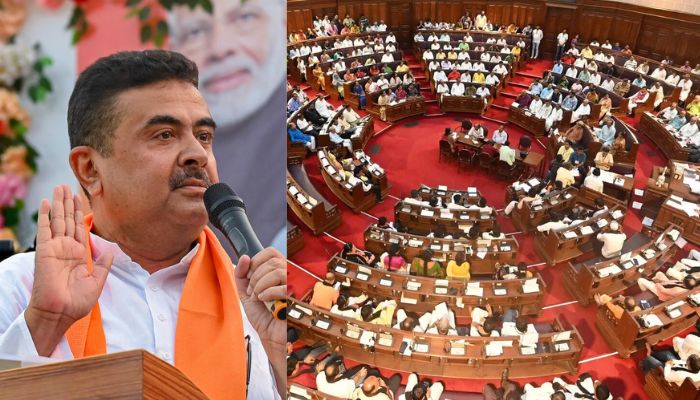
On Monday, 29th June, the West Bengal Legislative Assembly passed two amendment bills that formally changed the state’s Other Backwards Classes (OBC) reservation laws and implemented the directions of the Calcutta High Court issued in May 2024. With the passage of these bills, the OBC status granted to 77 Muslim communities during the Trinamool Congress (TMC) government led by Mamata Banerjee has been removed, while the reservation structure has also been revised.
Bengal Removes 77 Muslim Communities From OBC List, Shrinks Quotahttps://t.co/HDOcqyNgX6 pic.twitter.com/t8bx07ZvDY— NDTV (@ndtv) June 30, 2026
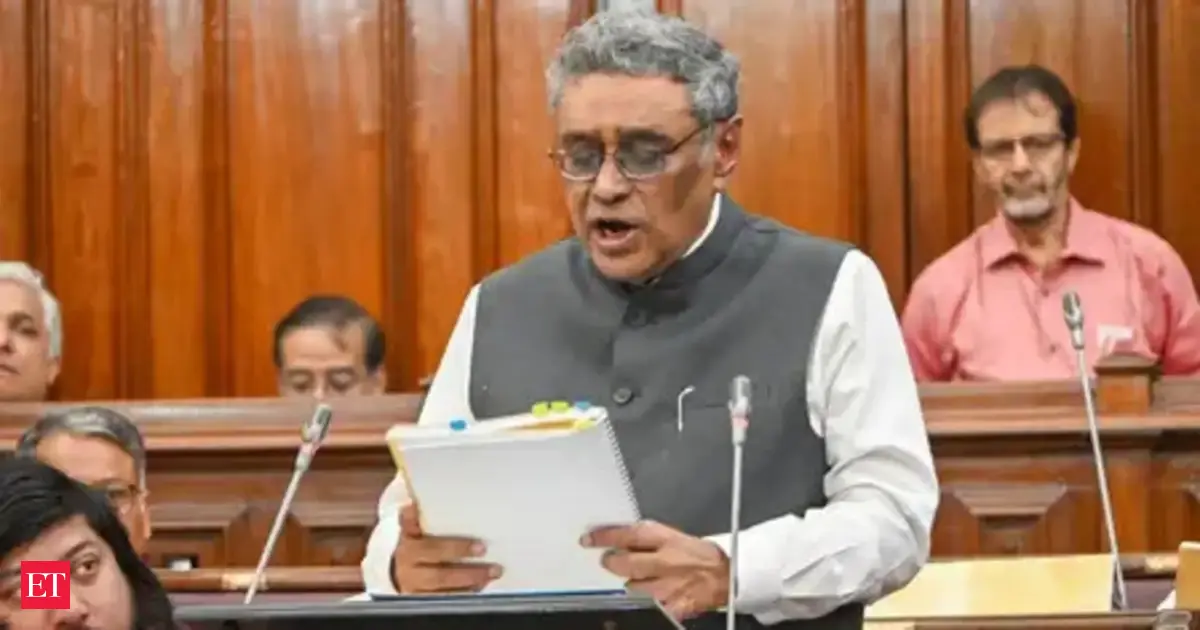
The two legislations, the West Bengal Backwards Classes (Other than Scheduled Castes and Scheduled Tribes) Reservation of Vacancies in Services and Posts (Amendment) Bill, 2026 and the West Bengal Commission for Backwards Classes (Amendment) Bill, 2026, were introduced by Backwards Classes Development Minister Gourishankar Ghosh.
VIDEO | Kolkata: Backward Classes amendment bill passed in West Bengal AssemblySource: Third Party pic.twitter.com/2AzaQuNueU— Press Trust of India (@PTI_News) June 29, 2026
The bills were passed with 186 MLAs voting in favour and 17 opposing them. A group of rebel TMC MLAs led by Ritabrata Banerjee walked out during the proceedings, while Indian Secular Front MLA Nawsad Siddiqui said the bills should have been discussed in greater detail before being approved.
Laws amended after the May notification
Soon after coming to power in West Bengal in May, the Bharatiya Janata Party (BJP)-led government issued notifications to implement the High Court’s directions. However, although the administrative orders came into effect at that time, the required amendments to the state’s reservation laws had not been passed until now. Monday’s legislation brings the legal framework in line with those earlier notifications.
The amendments revise the OBC reservation quota from the earlier combined 17% to 7% and also reorganise the OBC categories. Along with this, changes have been made to the 1993 law governing the West Bengal Commission for Backward Classes, giving the commission a central role in identifying backward communities in the future.
What changes have been made in the OBC list
Following the amendments, only 66 communities remain on West Bengal’s official OBC list for reservation in government jobs and educational institutions. According to the government order issued on 18th May, only those communities that had been included in the state OBC list before 2010 continue to be eligible for reservation under Article 16(4) of the Constitution.
The order also cancelled the earlier arrangement that provided separate reservations of 10% for OBC Category A and 7% for OBC Category B. Under the revised system, eligible OBC communities will together receive 7% reservation.
Among the Muslim communities that continue to remain on the OBC list are Jolah (Ansari Momin), Fakir, Pahadia Muslim, Hajjam (Muslim) and Chowduli (Muslim). At the same time, 77 Muslim communities that had received OBC status during the TMC government have been removed from the list. These include Muslim Nehariya, Muslim Haldar, Muslim Sanpui, Muslim Mali, Ghosi (Muslim), Muslim Darji/Ostagar/Idrisi, Muslim Rajmistri, Muslim Batiyara, Muslim Molla and Dhali (Muslim), among several others.
Government cites High Court directions
Addressing the Assembly, Minister Gourishankar Ghosh said the amendments were necessary to comply with the Calcutta High Court’s judgment. He stated that communities added to the OBC list by the previous TMC government without any survey had been removed, and only 66 communities identified through proper surveys had been retained.
He also said the amended law strengthens the role of the West Bengal Commission for Backwards Classes, which will now conduct surveys to determine whether communities qualify for OBC status. According to Ghosh, the previous government had bypassed the commission while granting OBC status. He added that the changes would help prevent the issue of fake OBC certificates, which, according to him, had become common under the earlier administration.
Background of the High Court ruling
The changes stem from a Calcutta High Court judgment delivered on 22nd May, 2024, by a division bench of Justices Tapabrata Chakraborty and Rajasekhar Mantha. The case was heard after multiple petitions were filed between 2010 and 2020 by three individuals and the human rights organisation Atmadeep.
The petitioners argued that several communities had been granted OBC status after the TMC came to power in 2011 without any proper evaluation of their social, educational or economic backwardness. After hearing the matter, the High Court cancelled the inclusion of 77 communities and directed the state to restore the earlier list that existed before 2010.
In its judgment, the court made strong observations regarding the process followed in granting OBC status. It said the inclusion of the 77 Muslim communities appeared to have been carried out for political reasons rather than through a proper exercise of identifying backward classes. These observations triggered a wider political debate across the state.
How the reservation system has changed
Before these amendments, West Bengal’s reservation system included 22% reservation for Scheduled Castes (SC), 6% for Scheduled Tribes (ST), 10% for OBC Category A and 7% for OBC Category B. In addition, a separate 3% reservation was available for persons with disabilities across reserved and unreserved categories. Even with these provisions, the total reservation in the state was capped at 45% under a government order issued on 16th January, 2014.
With the OBC quota now reduced to 7%, the total reservation in the state has come down by 10 percentage points compared to the earlier arrangement.
Across India, OBC reservation varies from state to state. Nagaland and Arunachal Pradesh do not have any notified OBC communities. Punjab provides 12% reservation for OBCs, while Chhattisgarh, Jharkhand, Madhya Pradesh and Uttarakhand each provide 14%.
The earlier OBC policy
The roots of the issue go back to 2010, when the Left Front government led by then Chief Minister Buddhadeb Bhattacharjee introduced 10% reservation in state government jobs for Muslims classified as “economically, socially and educationally backward” under OBC Category A. Muslims placed under OBC Category B were given 7% reservation.
The decision to create the 10% OBC-A quota was based on the recommendations of the National Commission for Religious and Linguistic Minorities headed by Justice Ranganath Mishra. The commission’s report was tabled in Parliament in December 2009.
At that time, 53 of the 108 communities included in West Bengal’s OBC Categories A and B were Muslim communities. After the TMC assumed power in 2011, more Muslim communities were added to the OBC list. The High Court’s 2024 judgment later cancelled the inclusion of 77 of those communities, leading to the changes that have now been formally written into law through the amendment bills passed by the Assembly.
With Monday’s vote, the BJP-led government has completed the legislative process needed to implement the High Court’s directions. The revised OBC list, the reduced 7% reservation quota and the amended role of the West Bengal Commission for Backwards Classes will now form the legal basis for OBC reservation in the state going forward.