West Bengal SIR – Why is it necessary: An OpIndia Research Paper
The report examines the electoral rolls crisis unfolding in West Bengal in the backdrop of the Election Commission of India’s nationwide Special Intensive Revision (SIR). A massive, legally mandated voter roll review started across 12 states and Union territories. The decision to adopt a national SIR followed Bihar’s SIR, which exposed profound structural distortions in voter lists, including unmatched entries, duplicate voters, and suspected foreign nationals. The findings in West Bengal, however, have proven far more alarming. The ECI’s mapping exercise has already flagged significant discrepancies in West Bengal during the SIR. About 24.16 lakh voters have been identified as deceased in the course of the revision exercise. UIDAI has informed the Election Commission that roughly 34 lakh Aadhaar cardholders in the state have been marked as deceased, with an additional 13 lakh deceased individuals who did not possess Aadhaar, according to the latest data shared during the process. The SIR exercise has proven self-correcting in certain situations as well. The fact that a roll revision is being conducted has led to several illegal infiltrators fleeing the country back to their country of origin (especially Bangladesh), owing to the fear of being detected. Border forces have confirmed nearly 1,600 illegal migrants fleeing to Bangladesh within weeks. West Bengal has historically been a state where administrative tasks have been challenging to conduct, owing to political intimidation, pressure, and violence. For example, on November 28th 2025, the Calcutta High Court came down heavily on the Mamata Banerjee government for failing to submit a status report on the Bengal-Bangladesh border fencing. The Central Government revealed in court that the border fencing process had stalled because the Mamata Banerjee government was refusing to cooperate and failing to facilitate land acquisition. Mamata Banerjee has also been shielding and protecting illegal Bangladeshis, at one point, claiming that an exercise like the NRC (National Registry of Citizenship) would lead to bloodshed and civil war. During the SIR exercise as well, several ground-level disturbances made the process far more complicated. Reports of intimidation, protests by politically backed committees, and aggressive obstruction by ruling party workers reflect a volatile environment in which the clean-up is taking place. The Supreme Court’s ongoing hearings have reinforced the legitimacy of SIR, with the Chief Justice noting that fears of mass deletions had not materialised in Bihar and that citizens had not approached the Court alleging wrongful disenfranchisement. West Bengal’s SIR must be seen within a broader historical pattern of electoral manipulation. A series of documented cases from illegal cross-border Bangladeshi obtaining voter IDs to fake voter networks operating in North 24 Parganas, Nadia, and West Midnapore demonstrate that the distortions uncovered today are not new, accidental, or administrative glitches. They are the result of systematic negligence, political interference, and logistical vulnerabilities across border districts. The ongoing SIR represents India’s most ambitious attempt to restore electoral integrity in the state, but it is also exposing the depth of distortions previously hidden beneath surface-level processes. This study examines why the SIR exercise is a necessity in West Bengal, relying on publicly available data and case studies. Click on the button to download the full research paper. DOWNLOAD FULL PAPER
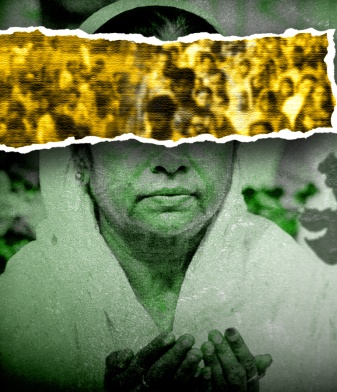

The report examines the electoral rolls crisis unfolding in West Bengal in the backdrop of the Election Commission of India’s nationwide Special Intensive Revision (SIR). A massive, legally mandated voter roll review started across 12 states and Union territories. The decision to adopt a national SIR followed Bihar’s SIR, which exposed profound structural distortions in voter lists, including unmatched entries, duplicate voters, and suspected foreign nationals. The findings in West Bengal, however, have proven far more alarming.
The ECI’s mapping exercise has already flagged significant discrepancies in West Bengal during the SIR. About 24.16 lakh voters have been identified as deceased in the course of the revision exercise. UIDAI has informed the Election Commission that roughly 34 lakh Aadhaar cardholders in the state have been marked as deceased, with an additional 13 lakh deceased individuals who did not possess Aadhaar, according to the latest data shared during the process.
The SIR exercise has proven self-correcting in certain situations as well. The fact that a roll revision is being conducted has led to several illegal infiltrators fleeing the country back to their country of origin (especially Bangladesh), owing to the fear of being detected. Border forces have confirmed nearly 1,600 illegal migrants fleeing to Bangladesh within weeks.
West Bengal has historically been a state where administrative tasks have been challenging to conduct, owing to political intimidation, pressure, and violence. For example, on November 28th 2025, the Calcutta High Court came down heavily on the Mamata Banerjee government for failing to submit a status report on the Bengal-Bangladesh border fencing. The Central Government revealed in court that the border fencing process had stalled because the Mamata Banerjee government was refusing to cooperate and failing to facilitate land acquisition. Mamata Banerjee has also been shielding and protecting illegal Bangladeshis, at one point, claiming that an exercise like the NRC (National Registry of Citizenship) would lead to bloodshed and civil war.
During the SIR exercise as well, several ground-level disturbances made the process far more complicated. Reports of intimidation, protests by politically backed committees, and aggressive obstruction by ruling party workers reflect a volatile environment in which the clean-up is taking place. The Supreme Court’s ongoing hearings have reinforced the legitimacy of SIR, with the Chief Justice noting that fears of mass deletions had not materialised in Bihar and that citizens had not approached the Court alleging wrongful disenfranchisement.
West Bengal’s SIR must be seen within a broader historical pattern of electoral manipulation. A series of documented cases from illegal cross-border Bangladeshi obtaining voter IDs to fake voter networks operating in North 24 Parganas, Nadia, and West Midnapore demonstrate that the distortions uncovered today are not new, accidental, or administrative glitches. They are the result of systematic negligence, political interference, and logistical vulnerabilities across border districts.
The ongoing SIR represents India’s most ambitious attempt to restore electoral integrity in the state, but it is also exposing the depth of distortions previously hidden beneath surface-level processes. This study examines why the SIR exercise is a necessity in West Bengal, relying on publicly available data and case studies.
Click on the button to download the full research paper.