Wrongful arrest, scapegoating of Hindus and CPIM conspiracy: As Sabarimala Tantri is granted bail after 41 days, read what the court said in ‘gold theft case’
“Not an iota of evidence” against Tantri Rajeevaru Kandararu. This is what the Kollam Vigilance Court said on 18th February, while granting bail to the Sabarimala Temple chief priest or Tantri Rajeevaru Kandararu, in the gold theft case. 41 days after his controversial arrest, Kandararu walked out of the Poojappura Central Prison. The court observations in this case indicate that the Left government in Kerala is scapegoating Hindu priests to shield its own corrupt ministers. The arrest of Sabarimala Temple Tantri Rajeevaru Kandararu Rajeevaru was arrested on 9th January 2026 by the SIT probing the Sabarimala gold theft case. He was made the 13th accused in one FIR related to gold theft from the sanctum sanctorum door frames and the 16th accused in another FIR pertaining to the guardian deity (Dwarpalaka) plates. The Tantri’s arrest came after the police levelled serious charges against him, including criminal breach of trust, forgery, criminal conspiracy, and provisions of the Prevention of Corruption Act. Kollam Vigilance Court grants bail as the SIT failed to provide evidence to back its allegations against the Sabarimala Temple Tantri In a strongly worded bail order, the court said that the Kerala Police’s Special Investigation Team (SIT) failed to establish any “prima facie materials to link the petitioner in the alleged conspiracy by any means”. The court accepted Kandararu’s argument that the Tantri’s role, as per the Devaswom Manual, is essentially confined to performing poojas and religious ceremonies. He has no authority over maintenance, repair, or upkeep of the temple property, and this responsibility rests with the Travancore Devaswom Board (TDB) officials. Emphasising that the SIT had placed “nothing on record, not even an iota of evidence” to establish Tantri Rajeevaru Kandararu’s involvement in the alleged temple gold theft, Vigilance Court Judge Mohit C S pointed out that the accused Tantri had not signed key mahazars (documents) dated 18th May and 20th July 2019, which would have been essential if a criminal conspiracy existed. Furthermore, the court noted that Kandararu’s opinion dated 18th May 2019, recommending replating, was described as a routine response to a formal TDB decision, not evidence of wrongdoing. The court said that although Kandararu signed another mahazar dated 19th July 2019 concerning the handing over of the gilded sheets from Dwarapalaka idols, the mahazar was prepared in accordance with the Devaswom Board’s official decision to hand over the artefacts to the prime accused, Unnikrishnan Potti. “Further, the mere signing of the first mahazar of July 19, 2019, by itself in the absence of any other incriminating circumstances is also not a ground to implicate Tantri at this stage, especially since the mahazar was prepared pursuant to the formal decision of the Devaswom Board,” the court said. The court found that without any incriminating circumstances, Kandararu’s signing of these mahazars alone cannot be a ground to implicate him in the case. The SIT, however, remained conspicuously adamant about implicating Kandararu and ensuring that his bail plea is denied. Accordingly, the SIT contended that they are investigating the suspicious financial transactions of the accused Tantri. However, the court noted that since Kandararu is the Tantri of the Sabarimala Temple, he must be receiving huge money as “Dakshina” and other perquisites from devotees. The court pointed out that this alone cannot be used as a ground to suspect Tantri’s complicity in the crime in question. Thus, the court decided to grant bail to Tantri Rajeevaru Kandararu. Meanwhile, the SIT is reportedly planning to move Kerala High Court against the order. ‘Kerala govt taking revenge for my opposition during the women’s entry row: Contentions made in the bail application filed by Tantri Rajeevaru Kandararu In his bail application filed through counsels B Raman Pillai, Sujesh Menon, and C D Anil, Tantri Rajeevaru Kandararu alleged that the Chief Minister Pinarayi Vijayan-led Left government in Kerala was exacting “revenge” against him for his strong opposition to the LDF government’s bid to allow women of age 10- 50 enter the Sabarimala Temple. The application stated that Kandararu was arrested by the SIT for “taking a strong stand on preserving temple customs and rituals”. Kandararu argued that he had opposed political interference in the Sabarimala Mandir’s affairs and even threatened to stop performing rituals if the customs of the temple were tampered with. The plea further stated that at the behest of CPM leaders, some senior police officials attempted to facilitate the entry of women from the restricted age group into the Sabarimala Temple. However, as Kandararu thwarted this attempt, he had to face “public attacks from the influential figures of the ruling front.” Highlighting what further irked the Left government, Kandararu’s bail plea stated that
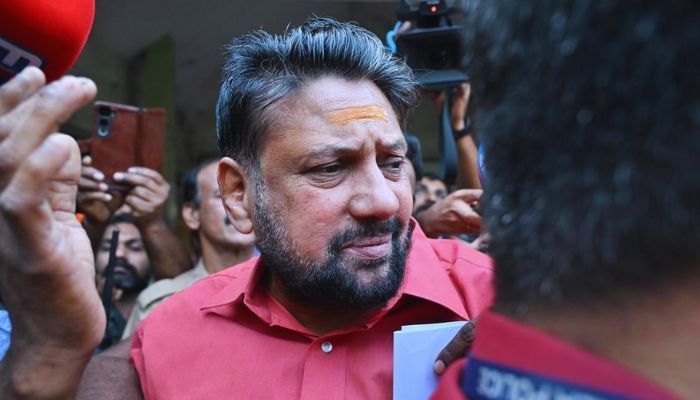
“Not an iota of evidence” against Tantri Rajeevaru Kandararu. This is what the Kollam Vigilance Court said on 18th February, while granting bail to the Sabarimala Temple chief priest or Tantri Rajeevaru Kandararu, in the gold theft case. 41 days after his controversial arrest, Kandararu walked out of the Poojappura Central Prison. The court observations in this case indicate that the Left government in Kerala is scapegoating Hindu priests to shield its own corrupt ministers.
The arrest of Sabarimala Temple Tantri Rajeevaru Kandararu
Rajeevaru was arrested on 9th January 2026 by the SIT probing the Sabarimala gold theft case. He was made the 13th accused in one FIR related to gold theft from the sanctum sanctorum door frames and the 16th accused in another FIR pertaining to the guardian deity (Dwarpalaka) plates. The Tantri’s arrest came after the police levelled serious charges against him, including criminal breach of trust, forgery, criminal conspiracy, and provisions of the Prevention of Corruption Act.
Kollam Vigilance Court grants bail as the SIT failed to provide evidence to back its allegations against the Sabarimala Temple Tantri
In a strongly worded bail order, the court said that the Kerala Police’s Special Investigation Team (SIT) failed to establish any “prima facie materials to link the petitioner in the alleged conspiracy by any means”.
The court accepted Kandararu’s argument that the Tantri’s role, as per the Devaswom Manual, is essentially confined to performing poojas and religious ceremonies. He has no authority over maintenance, repair, or upkeep of the temple property, and this responsibility rests with the Travancore Devaswom Board (TDB) officials.
Emphasising that the SIT had placed “nothing on record, not even an iota of evidence” to establish Tantri Rajeevaru Kandararu’s involvement in the alleged temple gold theft, Vigilance Court Judge Mohit C S pointed out that the accused Tantri had not signed key mahazars (documents) dated 18th May and 20th July 2019, which would have been essential if a criminal conspiracy existed.
Furthermore, the court noted that Kandararu’s opinion dated 18th May 2019, recommending replating, was described as a routine response to a formal TDB decision, not evidence of wrongdoing.
The court said that although Kandararu signed another mahazar dated 19th July 2019 concerning the handing over of the gilded sheets from Dwarapalaka idols, the mahazar was prepared in accordance with the Devaswom Board’s official decision to hand over the artefacts to the prime accused, Unnikrishnan Potti.
“Further, the mere signing of the first mahazar of July 19, 2019, by itself in the absence of any other incriminating circumstances is also not a ground to implicate Tantri at this stage, especially since the mahazar was prepared pursuant to the formal decision of the Devaswom Board,” the court said.
The court found that without any incriminating circumstances, Kandararu’s signing of these mahazars alone cannot be a ground to implicate him in the case.
The SIT, however, remained conspicuously adamant about implicating Kandararu and ensuring that his bail plea is denied. Accordingly, the SIT contended that they are investigating the suspicious financial transactions of the accused Tantri. However, the court noted that since Kandararu is the Tantri of the Sabarimala Temple, he must be receiving huge money as “Dakshina” and other perquisites from devotees. The court pointed out that this alone cannot be used as a ground to suspect Tantri’s complicity in the crime in question.
Thus, the court decided to grant bail to Tantri Rajeevaru Kandararu. Meanwhile, the SIT is reportedly planning to move Kerala High Court against the order.
‘Kerala govt taking revenge for my opposition during the women’s entry row: Contentions made in the bail application filed by Tantri Rajeevaru Kandararu
In his bail application filed through counsels B Raman Pillai, Sujesh Menon, and C D Anil, Tantri Rajeevaru Kandararu alleged that the Chief Minister Pinarayi Vijayan-led Left government in Kerala was exacting “revenge” against him for his strong opposition to the LDF government’s bid to allow women of age 10- 50 enter the Sabarimala Temple.
The application stated that Kandararu was arrested by the SIT for “taking a strong stand on preserving temple customs and rituals”.
Kandararu argued that he had opposed political interference in the Sabarimala Mandir’s affairs and even threatened to stop performing rituals if the customs of the temple were tampered with.
The plea further stated that at the behest of CPM leaders, some senior police officials attempted to facilitate the entry of women from the restricted age group into the Sabarimala Temple. However, as Kandararu thwarted this attempt, he had to face “public attacks from the influential figures of the ruling front.”
Highlighting what further irked the Left government, Kandararu’s bail plea stated that his objection to the proposal of opening of the temple on all days did not sit well with the state government. Thus, they decided to tarnish the Tantri’s reputation and falsely implicate him in the temple gold theft case, to seek retribution.
It was further argued that his false implication, and arrest in gold theft case was done to establish a false narrative that the Sabarimala Temple’s highest priest is involved in the alleged illicit transactions.
CPIM accuses Rajeevaru Kandararu of figuring among ‘big thieves’, Congress says that the Sabarimala Temple Tantri was deliberately trapped in the LDF govt’s behest
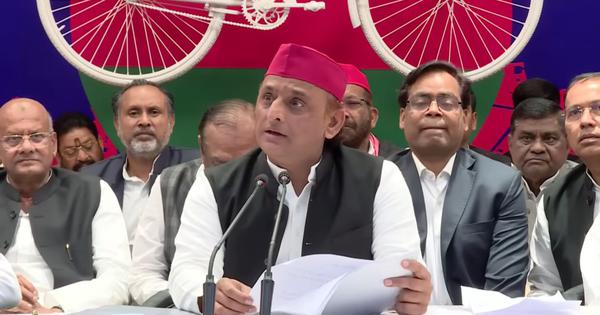
As the Kollam Vigilance Court said that there was “not an iota of evidence” against the Sabarimala Temple Tantri, a political storm erupted in Kerala. While the ruling CPIM claimed that Rajeevaru Kandararu is figured among “big thieves”, the opposition Congress party alleged that the Tantri’s arrest was done by the SIT at the Kerala CMO’s behest.
During media interaction on Sunday in Kannur, CPIM leader M V Govindan said, “He (Tantri Rajeevaru Kandararu) figures in the ‘list of big thieves”.
The CPIM further raised questions over the authority of the Kollam Vigilance Court to make observations regarding the direction of the SIT’s probe, when the High Court has already said that the probe is headed in the right direction.
“If a high court division bench has observed that the investigation is proceeding in the right direction, it is not usual for a lower court, while considering a bail plea, to make observations that appear like a final verdict in the case.”
Addressing a press conference on 22nd February, Congress MLA Ramesh Chennithala said, “We should assume that the Sabarimala tantri was deliberately trapped in the case. It is clear that there was a political intervention to arrest the Tantri.”
The Congress leader alleged that the Tantri was arrested to divert the investigation away from the LDF government-linked powerful figures. Chennithala named current Devaswom Minister V N Vasavan, former minister Kadakampally Surendran, and ex-TDB president P S Prasanth as the real targets that the Kerala government is desperately trying to protect.
“Investigators filed a partial chargesheet in the actor rape case to deny the suspects from getting statutory bail after 90 days. The legal precedent begs the question of what prevented the SIT from adopting a similar approach in the Sabarimala gold theft case. This is clearly a case of political intervention in a high-profile probe to save ruling front figures,” Chennithala added.
Meanwhile, the Bhartiya Janata Party (BJP), joined by multiple Hindu rights organisations, also condemned Tantri Kandararu’s arrest. The opposition parties are alleging that the LDF government in Kerala is scapegoating Sabarimala Tantris to hide their own corruption and involvement in the theft of the temple gold.
It must be recalled that in December 2025, the court allowed the ED to conduct its own investigation into the Sabarimala gold theft and the linked money laundering, while the SIT would conduct its own probe. Initially, the SIT has opposed ED’s involvement in the case. However, the court overrode their opposition.
Sabarimala Thanthri Sabha had moved HC seeking a CBI probe
Days after Tantri Rajeevaru Kandararu’s arrest, Akhila Tanthri Pracharak Sabha chairman M S Sreerajasekharan moved a plea before the Kerala High Court, seeking a CBI investigation into the Sabarimala gold theft case.
Similar to the allegations made in Kandararu’s bail plea, the Tantri Sabha argued that the investigation into the matter is surround with ‘political clouds’, with some media reports suggesting that top political leaders from the ruling LDF may be involved in the gold heist. It also alleged that the local authorities are not arresting influential persons in the case.
The petition further highlighted that despite the court’s previous observation that the SIT’s investigation was proper so far, the SIT inducted two additional officers. The Thanthri Sabha alleges that the SIT is shielding real culprits due to the political influence of the ruling front. The petitioner further alleges that there is a conspiracy to make Thanthris and Pujaris the scapegoats.It further mentioned the case of Thanthri Kandararu Rajeevaru, who was arrested by the SIT in this case. However, despite the SIT’s alleged failure to furnish any direct evidence against the arrested Thanthri, the SIT named him as an accused based on the allegation that Rajeevaru had allowed the removal of gold-clad copper coverings without obtaining the ‘anunja’ or permission of Lord Ayyappa.
The petitioners argue that the SIT is causing a deliberate delay in filing a chargesheet in the case, to expand the scope of the investigation into the gold plating of the flag post in the Sabarimala Temple, as the SIT understood that the arrest and arraignment of Thantri Kandararu Rajeevaru in the case would not “sustain in a court of law”.According to the Akhila Tanthri Pracharak Sabha, there is no connection between the misappropriation of Dwarapalaka idols and the door frames, and thus, another probe agency should separately investigate the same.
Sabarimala gold theft case
The SIT, formed after the directions of the Kerala High Court, has been probing two cases relating to the theft of gold from the Dwarapalaka idols and the loss of gold from the Sreekovil door frames at Sabarimala temple.
Several Travancore Devaswom Board (TDB) members and officials have been indicted in the cases arising from the handing over of gold-clad copper plates from the Dwarapalaka idols and Sreekovil door frames to Potty for electroplating in 2019. Potty has been named as the main accused in the case.
In September 2025, the Kerala High Court pulled up the Travancore Devaswom Board (TDB) for removing the gold-plated copper coverings of deities in the Sabarimala temple in Kerala. While examining the records relating to the gold plating of temple items, the High Court observed several inconsistencies in the decision-making process. The court noted that the Thiruvabharanam Commissioner initially recommended the traditional method for gold coating using 303 grams of gold (costing around ₹31 lakhs), but later reversed his stance after discussions with the sponsor and recommended that the items be sent to Chennai for electroplating.
The court pointed out that this violated the TDB Sub Group Manual, which requires such works to be carried out at Sannidhanam itself. It ordered the seizure of all records relating to the gold-plating and cladding of the idols, including details of a former pair of Dwarapalaka idols reportedly kept in the strong room for possible gold extraction. Besides, the court impleaded Unnikrishnan Potti and Smart Creations (where the coverings were sent to be repaired) as additional respondents, requiring them to furnish all financial and communication records linked to the repairs and sponsorships.