2026 Bangladesh election witnesses anti-Hindu voting pattern, Jamaat-e-Islami wins big in border areas with India: Read why this is a matter of concern
Why has Jamaat-e-Islami’s victory on over 60 seats in the recent Bangladesh parliamentary elections (February 2026) become a cause for concern for India? This is an important question because Jamaat secured most seats primarily in areas bordering India, where the Hindu population is 10-13%. This was the first national election in Bangladesh since the fall of Sheikh Hasina’s government in August 2024. The Bangladesh Nationalist Party (BNP) swept the election with a huge majority, but Jamaat-e-Islami surprised everyone by emerging as the second largest party. Key points from the Bangladesh election results The February 2026 elections were held for 299-300 seats (some reports state 299, some state 300) in the Bangladesh Parliament (Jatiya Sangsad). The election results were as follows: The BNP and its alliance won 212 seats, ensuring the formation of a government led by Tarique Rahman. Jamaat-e-Islami alone won 68 seats, and its 11-party alliance totalled 77. This was the biggest success in Jamaat’s history (it had never previously received more than 12% of the vote). The National Citizens Party (NCP), which emerged from the 2024 student movement and is led by young activists who ousted Hasina, fared poorly, winning only six seats. This clearly indicates that the nation comprehensively rejected the agitators. The public chose the less radical BNP over the more radical Jamaat-NCP alliance. Sheikh Hasina’s supporters and agitating forces were rejected by the public. The six seats of the NCP demonstrate that the country desired change, not fundamentalism. Urban areas, the educated class, and women largely rejected Jamaat, particularly due to its conservative stance on women’s rights, but Jamaat’s influence appears to be increasing in rural and border areas. Major Hindu-populated zones and Jamaat victory The Hindu population in Bangladesh is 7.95–8% of the total population (approximately 13 million according to the 2022 census), but it is higher in some divisions. Sylhet Division: 13.51% Hindu (highest).Rangpur Division: 13.01% (or 12.98%).Khulna Division: 11.52–11.53% (previously 12.85%, declining). These three divisions are the only areas where Hindus constitute more than 10% of the population. In other divisions, the number is lower. In Sylhet, the Jamaat won very few seats. This region borders Northeast India (Assam, Meghalaya, and Tripura). Hindu-Muslim relations here were relatively good, and anti-India sentiment was low. Therefore, the Jamaat’s influence was limited here. Jamaat’s influence was significantly high in Rangpur and Khulna. Jamaat won seats in Rangpur (such as Rangpur-1, 2, 3, 5, 6), Gaibanda and Joypurhat, while in Khulna’s Satkhira district, it won all four seats. Furthermore, Jamaat performed well in several other districts in this region, particularly those connected to West Bengal in India, such as Jalpaiguri, Malda, Murshidabad, Nadia, and 24 Parganas. The Jamaat’s victory in these areas is concerning because the Hindu population is relatively high here. Historically, the Jamaat supported Pakistan in the 1971 war, and therefore, is considered pro-Pakistan and anti-India. Jamaat’s role (along with the Rajakars) in the 1971 violence, where Hindus were persecuted, is well known. Jamaat and its allies’ seats are in green. Photo courtesy: X_Epatrakaar Why is there concern for India? Indication of anti-Hindu voting patterns: In these border areas, where Hindus constitute 11% or more, Muslim voters appear to be united in voting for the extremist Jamaat. This could be a sign of polarisation against Hindus. Since 1971, many Muslim families have migrated from India and settled in these areas. Anti-Hindu sentiments persist among these families. Jamaat’s victory suggests that extremist forces are gaining strength in the areas. Anti-India Campaign: During the elections, Jamaat ran a campaign against India’s Border Security Force (BSF). It capitalised on the local Muslims’ anti-India sentiments, their resentment regarding India’s stringent anti-infiltration stand, and instances of violence along the Indo-Bangladesh border. This electoral win of Jamaat will embolden extremists in areas bordering West Bengal. India fears this could increase unrest along the border, leading to smuggling, infiltration, or terrorist activities. In such a situation, India will need greater caution. Historical Enmity: The Jamaat supported Pakistan in the 1971 Bangladesh Liberation War and maintained ties with Pakistan. The Jamaat has always been cautious in its relations with India. Although some Jamaat leaders spoke about working with India before the elections, anti-India sentiment remained strong in the rural areas adjacent to West Bengal. The anti-India sentiment proved advantageous for the Jamaat in the elections. Border Security and Regional Stability: India’s security agencies are on alert due to Jamaat’s strong presence in areas like Rangpur-Khulna, lying a

Why has Jamaat-e-Islami’s victory on over 60 seats in the recent Bangladesh parliamentary elections (February 2026) become a cause for concern for India? This is an important question because Jamaat secured most seats primarily in areas bordering India, where the Hindu population is 10-13%.
This was the first national election in Bangladesh since the fall of Sheikh Hasina’s government in August 2024. The Bangladesh Nationalist Party (BNP) swept the election with a huge majority, but Jamaat-e-Islami surprised everyone by emerging as the second largest party.
Key points from the Bangladesh election results
The February 2026 elections were held for 299-300 seats (some reports state 299, some state 300) in the Bangladesh Parliament (Jatiya Sangsad). The election results were as follows:
- The BNP and its alliance won 212 seats, ensuring the formation of a government led by Tarique Rahman.
- Jamaat-e-Islami alone won 68 seats, and its 11-party alliance totalled 77. This was the biggest success in Jamaat’s history (it had never previously received more than 12% of the vote).
- The National Citizens Party (NCP), which emerged from the 2024 student movement and is led by young activists who ousted Hasina, fared poorly, winning only six seats. This clearly indicates that the nation comprehensively rejected the agitators. The public chose the less radical BNP over the more radical Jamaat-NCP alliance.
Sheikh Hasina’s supporters and agitating forces were rejected by the public. The six seats of the NCP demonstrate that the country desired change, not fundamentalism. Urban areas, the educated class, and women largely rejected Jamaat, particularly due to its conservative stance on women’s rights, but Jamaat’s influence appears to be increasing in rural and border areas.
Major Hindu-populated zones and Jamaat victory
The Hindu population in Bangladesh is 7.95–8% of the total population (approximately 13 million according to the 2022 census), but it is higher in some divisions.
Sylhet Division: 13.51% Hindu (highest).
Rangpur Division: 13.01% (or 12.98%).
Khulna Division: 11.52–11.53% (previously 12.85%, declining).
These three divisions are the only areas where Hindus constitute more than 10% of the population. In other divisions, the number is lower.
In Sylhet, the Jamaat won very few seats. This region borders Northeast India (Assam, Meghalaya, and Tripura). Hindu-Muslim relations here were relatively good, and anti-India sentiment was low. Therefore, the Jamaat’s influence was limited here.
Jamaat’s influence was significantly high in Rangpur and Khulna. Jamaat won seats in Rangpur (such as Rangpur-1, 2, 3, 5, 6), Gaibanda and Joypurhat, while in Khulna’s Satkhira district, it won all four seats. Furthermore, Jamaat performed well in several other districts in this region, particularly those connected to West Bengal in India, such as Jalpaiguri, Malda, Murshidabad, Nadia, and 24 Parganas.
The Jamaat’s victory in these areas is concerning because the Hindu population is relatively high here. Historically, the Jamaat supported Pakistan in the 1971 war, and therefore, is considered pro-Pakistan and anti-India. Jamaat’s role (along with the Rajakars) in the 1971 violence, where Hindus were persecuted, is well known.

Photo courtesy: X_Epatrakaar
Why is there concern for India?
Indication of anti-Hindu voting patterns: In these border areas, where Hindus constitute 11% or more, Muslim voters appear to be united in voting for the extremist Jamaat. This could be a sign of polarisation against Hindus. Since 1971, many Muslim families have migrated from India and settled in these areas. Anti-Hindu sentiments persist among these families. Jamaat’s victory suggests that extremist forces are gaining strength in the areas.
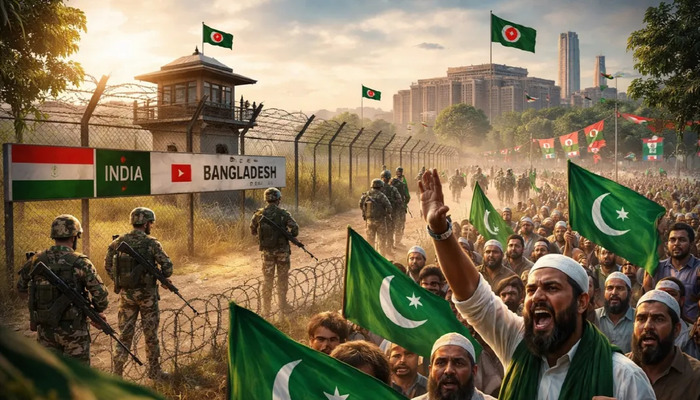
Anti-India Campaign: During the elections, Jamaat ran a campaign against India’s Border Security Force (BSF). It capitalised on the local Muslims’ anti-India sentiments, their resentment regarding India’s stringent anti-infiltration stand, and instances of violence along the Indo-Bangladesh border. This electoral win of Jamaat will embolden extremists in areas bordering West Bengal. India fears this could increase unrest along the border, leading to smuggling, infiltration, or terrorist activities. In such a situation, India will need greater caution.
Historical Enmity: The Jamaat supported Pakistan in the 1971 Bangladesh Liberation War and maintained ties with Pakistan. The Jamaat has always been cautious in its relations with India. Although some Jamaat leaders spoke about working with India before the elections, anti-India sentiment remained strong in the rural areas adjacent to West Bengal. The anti-India sentiment proved advantageous for the Jamaat in the elections.
Border Security and Regional Stability: India’s security agencies are on alert due to Jamaat’s strong presence in areas like Rangpur-Khulna, lying along the 4,096-km border. Trade and water sharing (issues like the Teesta) could be affected.
What does the public mandate say?
The BNP’s victory at the national level demonstrates that the Bangladeshi people did not give preference to fundamentalism. The Jamaat was rejected in urban areas. Women and youth of Bangladesh opposed its conservative views on women’s rights. However, in rural and border areas, the Jamaat’s “anti-Hindu and anti-India” card worked.
This election marks the beginning of a new Bangladesh, but Jamaat’s victory in the border areas raises questions about the safety of Hindu minorities and India-Bangladesh relations. India must remain vigilant, as the BNP will try to improve relations with the government, but opposition forces like Jamaat could exert pressure.
(This article is a translation of the original article published on OpIndian Hindi.)