After a devastating famine, the Soviet Union planted 5,320 km of giant tree belts in 1948, hoping to transform the climate itself. Still, the world's largest forest-engineering experiment was largely abandoned after Stalin's death
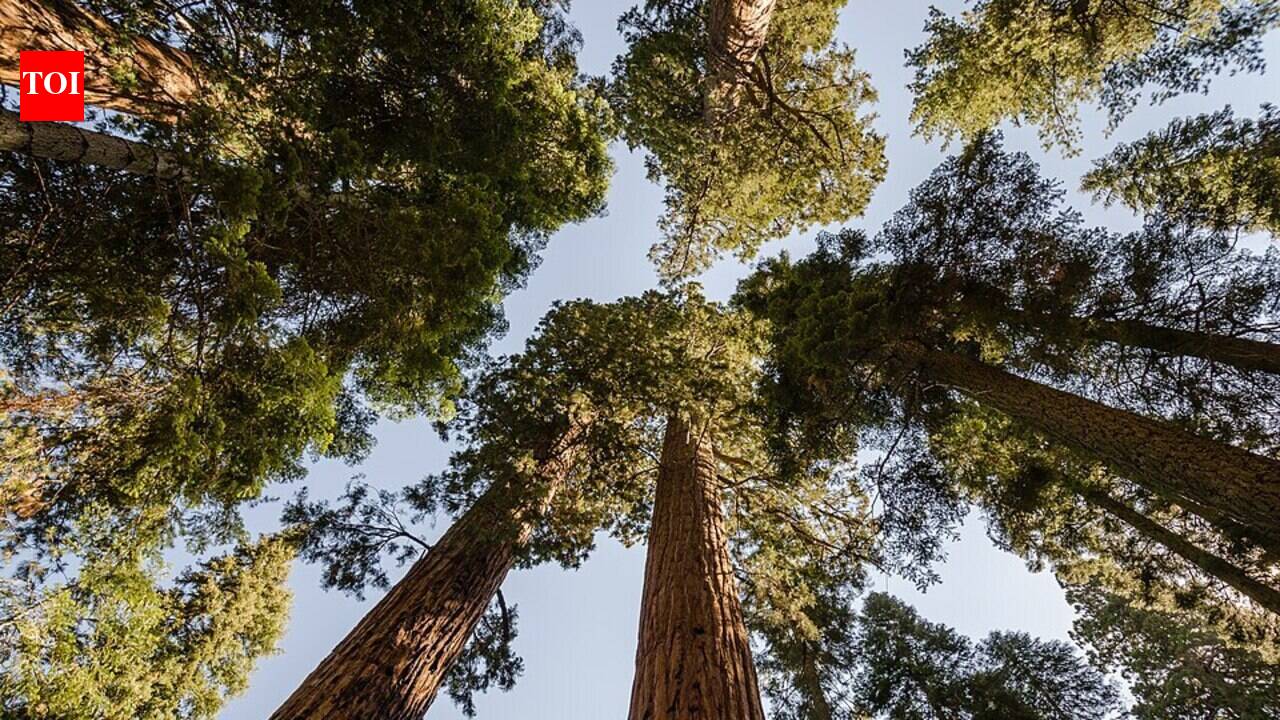
The Soviet Union launched a grand plan to alter its climate and prevent famine. Millions of trees were planted across vast regions to combat drought and soil erosion. This ambitious environmental experiment aimed to engineer landscapes on a continental scale. However, political shifts and practical challenges led to its eventual abandonment. Some surviving shelterbelts still offer agricultural and environmental benefits today.
The Soviet Union launched a grand plan to alter its climate and prevent famine. Millions of trees were planted across vast regions to combat drought and soil erosion. This ambitious environmental experiment aimed to engineer landscapes on a continental scale. However, political shifts and practical challenges led to its eventual abandonment. Some surviving shelterbelts still offer agricultural and environmental benefits today.