‘Leave Iran now, make your own arrangements’: US govt alert to its citizens exposes a deeper reality – Of abandonment, hostility and the Balochistan question
Things are getting heated between the US and civil unrest-hit Iran once again, and the verbal attacks ongoing between the Iranian Mullah regime and the American megalomaniac President for weeks might finally escalate into a military conflict. While the US under Donald Trump claims to care about freeing Iranians from the oppressive Khamenei regime, the Trump administration’s alert issued to its citizens comes across as an extension of America’s history of abandoning its citizens in war zones. The US government’s Iran alert gives a stark picture of isolation, peril and abandonment for American citizens, turning most of Iran’s land borders into de facto no-go zones amidst escalating tensions. While the Iranian frontier spans more than 5,800 kilometres across seven neighbouring countries, the US government advisory confines safe exit options to only a handful of narrow corridors, with Armenia and Turkey being the primary options, while Turkmenistan is a rather complicated alternative requiring special permissions. The Trump administration has explicitly warned against approaching the borders with Iraq, Afghanistan, and Pakistan. The advisory added that Azerbaijan’s land borders are closed to routine traffic, and therefore not available for use to leave Iran. The warning cited widespread security measures, including road closures, public transportation halts, and severe internet and mobile network restrictions. Many airlines have cancelled or limited flights into and out of Iran, severely impacting air travel options. “Leave Iran now”, the alert says, adding, “Have a plan for departing Iran that does not rely on US government help. Given the hostility between the US government and the Iranian regime, US citizens face heightened threats of arbitrary questioning, arrest, and long-term detention, particularly when presenting American passports or showing US ties, the alert reminded people. Iran does not recognise dual nationality, placing dual US-Iranian citizens at additional risk. The alert asks people with dual citizenship to use only their Iranian passport when leaving the country. The US government informed its citizens that as of 5th February 2026, the Armenian land border at Agarak/Norduz is open. The Turkish land border crossings with Iran are open. Turkmenistan’s land borders with Iran are also open, but US citizens need special authorisation from the government of Turkmenistan before approaching the border, the alert said. While keeping long stretches of Iran-Iraq border (1,599 km), and Iran-Afghanistan border (921 km) off-limits is understandable due to their current situations and historical equations with the US, the Trump administration urging its stranded citizens in Iran to avoid leaving the country via Pakistan border, despite the White House’s longstanding portrayal of Islamabad as a main ally in counterterrorism and regional stability, is quite intriguing. Despite Pakistan exporting nothing but Islamic terrorism to the US, and squeezing dollars out of Washington in the name of counterterrorism in Afghanistan for years, USA never severed ties with Pakistan. However, the public displays of camaraderie via military aid, joint operations, diplomatic niceties, and the over-dramatic Trump sycophancy of the Sharif-Munir duo, have not masked the underlying distrust. Basically, America does not trust its ‘ally’ Pakistan to protect American citizens leaving Iran. Besides the Pakistani leadership’s ‘all talks and no action’ nature, the major cause for America’s distrust is the fact that the Iran-Pakistan border is essentially the Iran-Pakistan-occupied-Balochistan interface. The Iran-Balochistan border is a volatile zone wherein Baloch freedom fighters undertake operations attacking oppressive Pakistani forces. Besides, Iran and Pakistan have also indulged in military skirmishes with both countries accusing each other of harbouring terrorists. The US government’s warning to its citizens stranded in Iran to steer clear, America has acknowledged, though implicitly, that Balochistan remains a problematic territory where even its explicitly subservient Pakistan military and its controlled political leadership cannot guarantee safety. Apparently, the US-Pakistan friendship is confined to fetching the natural resources of Pakistan-occupied Balochistan and declaring Baloch liberation outfits like the Majeed Brigade as ‘terrorist organisations’. Perhaps the Trump administration does not trust the Pakistani forces to protect stray Americans in a crisis when they cannot protect their own troops otherwise. Despite the Iran-Pakistan lawless frontiers with the Sunni jihadist outfit Jaish-al-Adl active in Iran’s Sistan and Baluchestan and Baloch militant groups giving a tough time to occupying Pakistani forces in Balochistan, it is embarrassing for Islamabad that the US does trust its ‘major non-NATO ally’ with the safety of its citizens. In fact, the US government’s own travel advisory
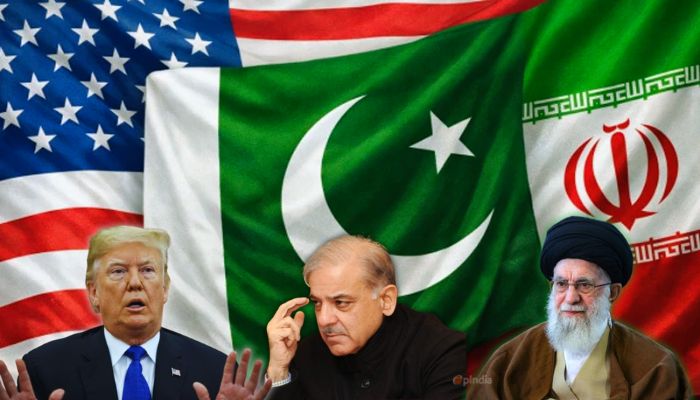

Things are getting heated between the US and civil unrest-hit Iran once again, and the verbal attacks ongoing between the Iranian Mullah regime and the American megalomaniac President for weeks might finally escalate into a military conflict. While the US under Donald Trump claims to care about freeing Iranians from the oppressive Khamenei regime, the Trump administration’s alert issued to its citizens comes across as an extension of America’s history of abandoning its citizens in war zones.
The US government’s Iran alert gives a stark picture of isolation, peril and abandonment for American citizens, turning most of Iran’s land borders into de facto no-go zones amidst escalating tensions. While the Iranian frontier spans more than 5,800 kilometres across seven neighbouring countries, the US government advisory confines safe exit options to only a handful of narrow corridors, with Armenia and Turkey being the primary options, while Turkmenistan is a rather complicated alternative requiring special permissions. The Trump administration has explicitly warned against approaching the borders with Iraq, Afghanistan, and Pakistan.
The advisory added that Azerbaijan’s land borders are closed to routine traffic, and therefore not available for use to leave Iran.
The warning cited widespread security measures, including road closures, public transportation halts, and severe internet and mobile network restrictions. Many airlines have cancelled or limited flights into and out of Iran, severely impacting air travel options. “Leave Iran now”, the alert says, adding, “Have a plan for departing Iran that does not rely on US government help.
Given the hostility between the US government and the Iranian regime, US citizens face heightened threats of arbitrary questioning, arrest, and long-term detention, particularly when presenting American passports or showing US ties, the alert reminded people. Iran does not recognise dual nationality, placing dual US-Iranian citizens at additional risk. The alert asks people with dual citizenship to use only their Iranian passport when leaving the country.
The US government informed its citizens that as of 5th February 2026, the Armenian land border at Agarak/Norduz is open. The Turkish land border crossings with Iran are open. Turkmenistan’s land borders with Iran are also open, but US citizens need special authorisation from the government of Turkmenistan before approaching the border, the alert said.
While keeping long stretches of Iran-Iraq border (1,599 km), and Iran-Afghanistan border (921 km) off-limits is understandable due to their current situations and historical equations with the US, the Trump administration urging its stranded citizens in Iran to avoid leaving the country via Pakistan border, despite the White House’s longstanding portrayal of Islamabad as a main ally in counterterrorism and regional stability, is quite intriguing.
Despite Pakistan exporting nothing but Islamic terrorism to the US, and squeezing dollars out of Washington in the name of counterterrorism in Afghanistan for years, USA never severed ties with Pakistan. However, the public displays of camaraderie via military aid, joint operations, diplomatic niceties, and the over-dramatic Trump sycophancy of the Sharif-Munir duo, have not masked the underlying distrust.
Basically, America does not trust its ‘ally’ Pakistan to protect American citizens leaving Iran. Besides the Pakistani leadership’s ‘all talks and no action’ nature, the major cause for America’s distrust is the fact that the Iran-Pakistan border is essentially the Iran-Pakistan-occupied-Balochistan interface. The Iran-Balochistan border is a volatile zone wherein Baloch freedom fighters undertake operations attacking oppressive Pakistani forces. Besides, Iran and Pakistan have also indulged in military skirmishes with both countries accusing each other of harbouring terrorists.
The US government’s warning to its citizens stranded in Iran to steer clear, America has acknowledged, though implicitly, that Balochistan remains a problematic territory where even its explicitly subservient Pakistan military and its controlled political leadership cannot guarantee safety. Apparently, the US-Pakistan friendship is confined to fetching the natural resources of Pakistan-occupied Balochistan and declaring Baloch liberation outfits like the Majeed Brigade as ‘terrorist organisations’. Perhaps the Trump administration does not trust the Pakistani forces to protect stray Americans in a crisis when they cannot protect their own troops otherwise.
Despite the Iran-Pakistan lawless frontiers with the Sunni jihadist outfit Jaish-al-Adl active in Iran’s Sistan and Baluchestan and Baloch militant groups giving a tough time to occupying Pakistani forces in Balochistan, it is embarrassing for Islamabad that the US does trust its ‘major non-NATO ally’ with the safety of its citizens.
In fact, the US government’s own travel advisory on Pakistan rates occupied Balochistan as a Level 4 “Do Not Travel” zone, admitting that they have limited ability to assist American citizens or dual-citizenship holders there.
US can bomb countries afar but not assist its stranded citizens in warzones: Superpower devoid of compassion and accountability for its own people?
The United States is undeniably a superpower, an economic giant and has one of the world’s finest militaries. However, the US government’s recent advisory to its citizens in Iran is the latest chapter in American foreign policy of prioritising strategic withdrawal over citizen welfare. This is not the first time that America essentially said ‘Apna apna dekh lo’ (everyone for themselves) to its citizens stranded in a crisis-hit foreign country. The US has a history of abandoning stranded nationals when push comes to shove.
Among the most inhumane and disgraceful abandonments of American citizens by the US government was in 2021 during the Taliban takeover of Afghanistan. The US government, led by President Joe Biden, made an abrupt decision to withdraw American troops from Afghanistan, and after initial evacuations, the US left thousands of its citizens and allies scrambling as the Taliban expanded control. Biden’s ‘over-the-horizon’ counterterrorism promise rang hollow.
If we go back in history, in 1975, the fall of Saigon marked the end of the Vietnam War and the final collapse of South Vietnam as North Vietnamese forces and their allies captured the capital. This situation arose because in 1973, the American military withdrew forces, leaving their Vietnamese allies to their fate after years of making promises of establishing a ‘unified’, ‘democratic’, and ‘stable’ Vietnam.
The 2012 Benghazi Attack also serves as a stark reminder of how the self-declared biggest superpower of the world failed to protect its citizens, including diplomats in the conflict-torn Libya. A Benghazi House Committee report found that the US military failed to immediately send a force to Benghazi, even eight hours after the attack at the US diplomatic mission began, and two American citizens were killed.
In April 2023, American citizens stranded in crisis-hit Sudan raged against the US government for its apathy towards its own nationals stranded there. They expressed disbelief and anger against the American government for outrightly abandoning them and leaving them on their own to navigate their way out of Sudan alive and safe. “I am incredibly shocked and disgusted by the American lacklustre response to the health and safety of their citizens,” an American citizen said back then.
While several countries were rescuing their stranded citizens, the US government maintained that the situation was not ‘conducive’ to sending rescue teams for civilian evacuation. While civilians were not prioritised, the US government evacuated its military personnel a week in advance. The US government kept throwing the usual ‘we are in close contact with our citizens’ and ‘we are actively facilitating their departure’; however, nothing was moving in reality.
The stranded American citizens revealed that they received “barely any assistance” from the US State Department since the violent clashes between the Sudanese Armed Forces (SAF) and Rapid Support Forces (RSF) broke out.
“To be honest with you, the State Department was useless, utterly useless throughout this entire period. We expected the Department to provide some kind of guidance, but the guidance was the template, just shelter in place, no critical information being provided,” another American citizen told the media at that time.
America’s opprobrious history of abandonment of Americans also extends to civil-war hit Yemen. Back in 2015, when the Yemeni civil war was at its peak, and thousands of American citizens stranded there were essentially abandoned by the US government.
While India and China conducted massive evacuation drives to rescue their citizens, the US did not launch any such operation. Excuse? The usual ‘security concerns’ and ‘situation not conducive’ claims. “Designating an evacuation point for a large group of U.S. citizens has the potential to put those individuals’ safety and security at risk,” a State Department official said in a statement back then.
Sudan, Iran, Syria, Libya, Ukraine and beyond, India rescues Indians
Countries like India, on the contrary, have consistently been launching evacuation drives whenever and wherever required. India’s Operation Sankat Mochan evacuated over 2,000 Indian nationals in South Sudan in 2016.
Under Operation Raahat, India airlifted its 4,600 citizens from Yemen in 2015. In fact, while the US failed to rescue even American citizens, India evacuated over 1000 nationals from more than 41 countries, including those from France, the US, the UK and even Pakistan, from Yemen that year.
In June 2025, the Modi government launched ‘Operation Sindhu’ to evacuate 115 Indian nationals, stranded in Iran, amid an increase in hostilities with Israel. They were first taken from Iran to Armenia and then brought back to New Delhi via a special flight. An additional 117 Indians were brought to New Delhi through another special evacuation flight from Turkmenistan. By the end of the operation, India rescued over a thousand of its nationals from Iran.
In 2024, India rescued 5 Indian nationals who were stuck in Syria, following the overthrow of President Bashar Assad by rebels.
In 2023, the Modi government launched Operation Kaveri to evacuate Indians from war-hit Sudan, bringing back 3,862 people in less than 2 weeks.
In 2022, India started one of its biggest rescue missions named Operation Ganga, under which 25000 Indian nationals were rescued from Ukraine amid the outbreak of war with Russia. India also rescued 147 foreign nationals. While the US often remained reluctant to even deploy military missions to evacuate its citizens, the Indian government sent 4 Union Ministers to coordinate this rescue operation. India rescued several Pakistani and Bangladeshi nationals as well.
In 2021, India launched Operation Devi Shakti to bring back over 800 Indians stranded in Afghanistan after the Taliban took over the country in 2021. In June 2014, India rescued 46 Indian nurses from ISIS captivity in Iraq.
Countries like India and China have orchestrated large-scale extractions from countries afar and in highly challenging circumstances, to pull out their citizens without hesitation or reluctance. It is not that America is incapable of rescuing its citizens in crisis-hit countries or nations it is about to bomb; however, the blunt “have a plan that does not rely on US government help” directive is nothing but a candid admission of America’s hands-off approach. After Sudan and Yemen, Americans in Iran are left to fend for themselves in a high-risk environment where detention, kidnappings or worse, killings, are routine threats.