The Kerala Story 2: It is better to watch the movie than to watch the dismembered and rotting dead bodies of our daughters
The media reports about ‘Love Jihad’ may often seem exaggerated to some of us. Some might think that the right wing has unnecessarily hyped this term and wonder how someone could brainwash innocent Hindu girls. Some amongst us go on to blame our girls for being defiant and getting out of control. Moreover, people with a ‘secular’ mindset view Love Jihad as any other crime, having nothing to do with religion. Those holding such views and struggling with the conflict between their Hindu identity and secular views absolutely need to watch The Kerala Story 2. The film won’t make you a staunch Hindu, but it will certainly teach you how to live as a ‘Hindu’ in a secular society. The movie features the stories of three girls: Surekha, Neha, and Divya. Through their stories, the movie tries to explain how Hindu girls are emotionally and socially manipulated because of their Hindu identity. It shows how some Hindu girls are targeted and strategically betrayed by their lovers and pushed into the abyss. Their recovery from the abyss depends entirely on their fates. Neha’s Story: Trust, Deceit, and Prostitution Neha is a talented athlete. She comes from a Dalit family. Her father dreams that his daughter will bring glory to the country. The trophies adorning the walls of their home bear testimony to her hard work. Meanwhile, a young man named Faizan enters her life, posing as Raju. He approaches Neha by claiming to be a Hindu, wearing a sacred thread, a tilak on his forehead, and visiting temples, to win Neha’s trust. Faizan does not directly incite her against her family, but gradually distances her emotionally from them. He convinces her that her family won’t allow their marriage. However, if she marries him, he will get her trained by the best coach her father has ever been able to provide. To Neha, who dreams of playing at the national level, this seems like a huge opportunity. Without informing her family, she marries Faizan and moves to Agra with him. For some time, Faizan continues to pretend to be Raju, but later the truth ultimately comes out. After learning the truth about Faizan, Neha is shattered, and she considers returning to her family, but Faizan still manages to entice her and performs Nikah with her after converting her to Islam. Afterwards, a maulana sexually exploits Neha for 40 days in the name of purifying her, and then, different men rape her every day. Later on, Faizan, after completing the target of converting a Dalit girl to Islam, is seen taking ₹6 lakh from Islamic fundamentalists. Not once did he pay attention to Neha, whom he trapped by first gaining her trust, saying things like, “Don’t you trust me, baby?” He starts planning to trap a Brahmin girl and get ₹12 lakh next time. He tells his brother not to hit Neha in the face while raping her, because customers will complain. Surekha’s story and the shattering of liberal illusions Surekha’s story highlights the prevalence of love jihad in the South, where Muslim men target girls from educated and modern families through Love Jihad. Surekha is one such girl. Her mother is religious, but her father considers himself liberal and secular. As a result, he doesn’t provide her with a basic understanding of religion. He believes everyone has the freedom to live their own lives. Raised with this teaching, Surekha falls in love with a journalist named Salim. In this case, Salim doesn’t hide his identity, but he takes advantage of Surekha’s liberal views. For him, Surekha is a part of his long-term goal of Ghazwa-e-Hind, which is to transform India into an Islamic country by 2047. Initially, he presents himself as extremely liberal and progressive to Surekha. He dismisses matters of religion as insignificant. Surekha is deeply impressed by his thinking. She dismisses Love Jihad cases like that of Shraddha Walker as WhatsApp forwards. When her parents try to stop her, she explains that there are 200 million Muslims in the country, and not all are the same. But over time, Surekha begins to see through Salim’s liberal facade, when he suddenly starts calling her a ‘kafir’ and pressuring her to convert to Islam. Surekha tries to convince herself for a long time, but ultimately concludes that she should have been Hindu, not secular. She realises that she should have listened to her mother, sought her father’s advice, and learned about religion. The scene in the film where Surekha is forced to eat beef by holding her mouth is not a work of fiction. There are numerous cases where victims of Love Jihad have shared their experiences of how they were forced to convert to Islam and eat beef, and when they refused, beef was forced into their mouths. Divya’s Story: Social Media and Love Jihad Divya is a 16-year-old minor who wants to become famous on social media. Her parents support her dreams and allow her to learn dance to religious songs, and give her freedom. One day, she meets Rashid, who is differen
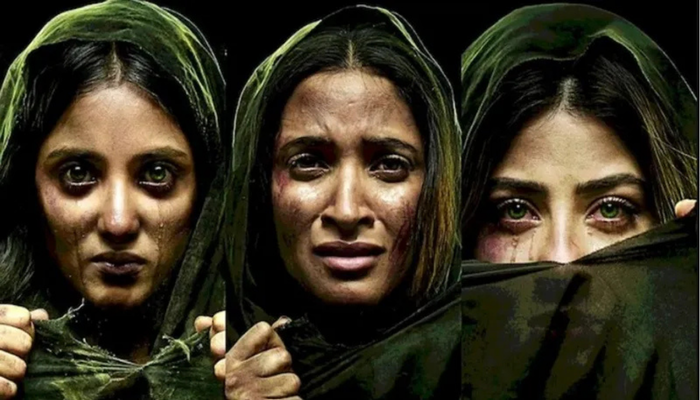
The media reports about ‘Love Jihad’ may often seem exaggerated to some of us. Some might think that the right wing has unnecessarily hyped this term and wonder how someone could brainwash innocent Hindu girls. Some amongst us go on to blame our girls for being defiant and getting out of control. Moreover, people with a ‘secular’ mindset view Love Jihad as any other crime, having nothing to do with religion.
Those holding such views and struggling with the conflict between their Hindu identity and secular views absolutely need to watch The Kerala Story 2. The film won’t make you a staunch Hindu, but it will certainly teach you how to live as a ‘Hindu’ in a secular society.
The movie features the stories of three girls: Surekha, Neha, and Divya. Through their stories, the movie tries to explain how Hindu girls are emotionally and socially manipulated because of their Hindu identity. It shows how some Hindu girls are targeted and strategically betrayed by their lovers and pushed into the abyss. Their recovery from the abyss depends entirely on their fates.
Neha’s Story: Trust, Deceit, and Prostitution
Neha is a talented athlete. She comes from a Dalit family. Her father dreams that his daughter will bring glory to the country. The trophies adorning the walls of their home bear testimony to her hard work. Meanwhile, a young man named Faizan enters her life, posing as Raju. He approaches Neha by claiming to be a Hindu, wearing a sacred thread, a tilak on his forehead, and visiting temples, to win Neha’s trust.
Faizan does not directly incite her against her family, but gradually distances her emotionally from them. He convinces her that her family won’t allow their marriage. However, if she marries him, he will get her trained by the best coach her father has ever been able to provide.
To Neha, who dreams of playing at the national level, this seems like a huge opportunity. Without informing her family, she marries Faizan and moves to Agra with him. For some time, Faizan continues to pretend to be Raju, but later the truth ultimately comes out.
After learning the truth about Faizan, Neha is shattered, and she considers returning to her family, but Faizan still manages to entice her and performs Nikah with her after converting her to Islam. Afterwards, a maulana sexually exploits Neha for 40 days in the name of purifying her, and then, different men rape her every day. Later on, Faizan, after completing the target of converting a Dalit girl to Islam, is seen taking ₹6 lakh from Islamic fundamentalists.
Not once did he pay attention to Neha, whom he trapped by first gaining her trust, saying things like, “Don’t you trust me, baby?” He starts planning to trap a Brahmin girl and get ₹12 lakh next time. He tells his brother not to hit Neha in the face while raping her, because customers will complain.
Surekha’s story and the shattering of liberal illusions
Surekha’s story highlights the prevalence of love jihad in the South, where Muslim men target girls from educated and modern families through Love Jihad. Surekha is one such girl. Her mother is religious, but her father considers himself liberal and secular. As a result, he doesn’t provide her with a basic understanding of religion. He believes everyone has the freedom to live their own lives.
Raised with this teaching, Surekha falls in love with a journalist named Salim. In this case, Salim doesn’t hide his identity, but he takes advantage of Surekha’s liberal views. For him, Surekha is a part of his long-term goal of Ghazwa-e-Hind, which is to transform India into an Islamic country by 2047.
Initially, he presents himself as extremely liberal and progressive to Surekha. He dismisses matters of religion as insignificant. Surekha is deeply impressed by his thinking. She dismisses Love Jihad cases like that of Shraddha Walker as WhatsApp forwards. When her parents try to stop her, she explains that there are 200 million Muslims in the country, and not all are the same.
But over time, Surekha begins to see through Salim’s liberal facade, when he suddenly starts calling her a ‘kafir’ and pressuring her to convert to Islam. Surekha tries to convince herself for a long time, but ultimately concludes that she should have been Hindu, not secular. She realises that she should have listened to her mother, sought her father’s advice, and learned about religion.
The scene in the film where Surekha is forced to eat beef by holding her mouth is not a work of fiction. There are numerous cases where victims of Love Jihad have shared their experiences of how they were forced to convert to Islam and eat beef, and when they refused, beef was forced into their mouths.
Divya’s Story: Social Media and Love Jihad
Divya is a 16-year-old minor who wants to become famous on social media. Her parents support her dreams and allow her to learn dance to religious songs, and give her freedom.
One day, she meets Rashid, who is different from both Faizan and Salim. Unlike Faizan, Rashid doesn’t hide his identity from Divya, nor does he put on a liberal facade like Salim. From the beginning, Rashid reveals his true identity and ensnares Divya in a love trap.
Rashid here uses Divya’s obsession with social media fame to distance her from her family. He helps her make social media reels and gradually incites her against her own family and traditions. Rashid tells Divya that there is no freedom in Hinduism. He says that if she marries him, he will shoot more glamorous reels featuring her.
Divya’s family tries to reason with her, but the gullible teenager listens to no one but Rashid. She even insults her loving father by saying, “I’ll can earn money equal to your one month’s salary from one reel.”
Gradually, Divya begins to push boundaries to advance in the world of glamour. She considers being with her parents a bondage. And finally, one day, Rashid succeeds in his dark plans. He manages to get Divya to leave her house. He converts her to Islam and marries her. Then, he begins to ruin her life.
After marrying Rashid, the young teenager is not even able to touch her mobile phone, let alone make dance reels. That’s when she realises what actual bondage looks like. She decides to tell everything to her parents and expose Rashid. She does so, but Rashid finds out about this. Subsequently, Divya goes through what most Love Jihad victims go through. She is brutally murdered, and her body is chopped into pieces.
Not just three stories, but different patterns of love jihad
The stories of Neha, Surekha, and Divya are not mere fictional depictions. If you read newspapers or follow the news, this movie will remind you of the various names like Alka, Priya, Soni, and Priyanka who were victims of Love Jihad. You will clearly see the pattern by which Hindu women from all walks of life are targeted and trapped.
It is a vicious pattern where the Hindu girls are lured into a love trap using lies, tempting promises, and a fake marriage place, before they are forced to accept Islam. The Hindu girls are then pushed into prostitution, and finally, they are abandoned in such a condition that by the end, they are not even able to tell their story.
Some scenes in the movie may disturb parents, but the discomfort will be much less after watching the movie than the pain of losing their daughters, seeing them suffocate in a Hijab/Burqa or watching their severed body parts.
The movie is a must-watch to develop a deeper understanding of how to protect Hindu daughters from heretical elements. It must be watched to help you decide whether you want to live under the illusion of secularism or accept the reality of being a Hindu.
It is your discretion to criticise or praise the film
Finally, it must be noted that many films are released on the silver screen by big producers, but Kamakhya Narayan Singh, the director of the Kerala Story 2 and Vipul Amritlal Shah, its producer, have shown the courage to expose the atrocities being committed on Hindu daughters.
One can criticise the movie on technical aspects, but the task of finding faults with the movie should best be left to those who reject the harsh reality of Love Jihad.
After enduring the heart-wrenching visuals in the movie, the visuals of the bulldozer action and police batons being charged with the song Har Har Shambhu playing in the background may bring slight relief.
(This article is a translation of the original article published at OpIndia Hindi.)