After 8 lion cub deaths in Gir, swift government intervention brings situation under control: Here is the whole story and what wildlife experts say
The Gujarat government has said that the situation surrounding the recent deaths of lion cubs in and around the Gir forest is now under control. The deaths had raised concerns among wildlife experts and conservationists, as the cubs were suspected to have been affected by a possible Babesia infection. After reviewing the situation, Gujarat Forest Minister Arjun Modhwadia said that the Forest Department acted quickly and has been closely monitoring the health of lions in the region. According to him, no new lion deaths linked to infection have been reported in the last three days, and the situation is currently stable. He also appealed to residents and livestock owners in the Gir region to cooperate in efforts to protect the lions. Chief Minister Bhupendra Patel had also taken note of the matter earlier and held a review meeting to assess the situation. How the incident started During the past week, several lion cub deaths were reported from different parts of the Gir, including the Gir Gadhada area in Gir-Somnath district and the Babra Kot area of Amreli district. The Forest Department initially suspected that the deaths could be linked to Babesia infection. Following the reports, special surveillance was launched in sensitive areas, including Gir East and Gir West, to monitor lion populations closely. Officials said a total of 8 lion cub deaths were recorded. As a precaution, authorities focused on lions living within a radius of about 10 kilometres from the affected areas. Around 22 lions were quarantined, and senior forest officials were sent to the locations to oversee the response. Samples collected from the dead cubs were sent to the Gujarat Biotechnology Research Centre (GBRC) for testing. However, the final laboratory report is still awaited, and the exact cause of death has not yet been officially confirmed. What is Babesia? Babesia is a protozoan parasite that spreads through ticks. It attacks the red blood cells of animals and is often compared to malaria because of the way it affects the body. Animals infected with Babesia may suffer from fever, anaemia, weakness, tiredness and other health problems. While Babesia remains the main focus of the investigation, some early reports had also mentioned the possibility of other infections, including Canine Distemper Virus (CDV). However, forest officials are currently examining Babesia as the primary suspected cause. Measures taken by the forest department To stop any possible spread of infection, the Forest Department launched a large-scale de-ticking drive across the affected areas of Gir. Teams of veterinarians and frontline forest staff have been continuously monitoring the health of lions. The Lion Hospital at Sasan was also placed on high alert. Rescue vehicles, cages, traps, tranquillizer guns and other emergency equipment were kept ready to ensure quick treatment if any lion showed signs of illness. Emergency protocols were also activated at the hospital. Experts says no emergency at present, but concern is necessary for the future Wildlife scientist Yadavendradev V. Jhala said that Babesia is not a new disease in Gir and has existed for years among cattle, wild animals and lions at low levels. According to him, nature generally maintains a balance between such diseases and animal populations. He said that a few deaths among a lion population of nearly 1,000 should not be viewed as an immediate crisis. However, he cautioned that diseases such as rabies or Canine Distemper Virus (CDV) could pose a much bigger threat in the future, especially because they are often spread by stray dogs. Jhala also stressed the need to establish separate and unrelated populations of Asiatic lions outside Gir. He said keeping the entire population concentrated in one region increases the risk to the species if a major disease outbreak or natural disaster occurs. Gujarat remains the only home of the Asiatic lions According to the 2025 lion census, Gujarat is home to 891 Asiatic lions. The Gir forest and surrounding areas remain the world’s only natural habitat for the species. Because of the importance of this population, forest officials and wildlife experts continue to closely monitor the health of lions and remain alert to any signs of disease in the region.
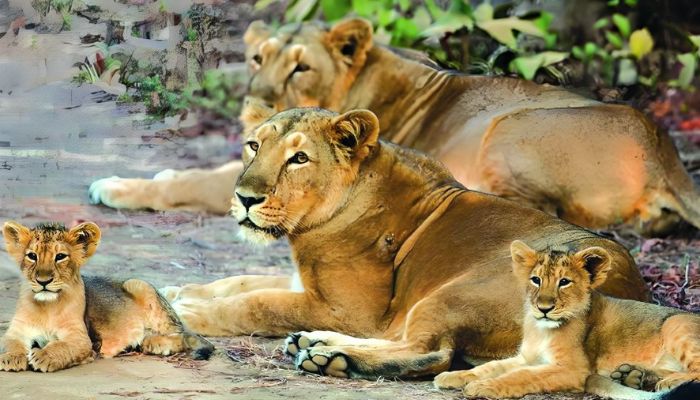
The Gujarat government has said that the situation surrounding the recent deaths of lion cubs in and around the Gir forest is now under control. The deaths had raised concerns among wildlife experts and conservationists, as the cubs were suspected to have been affected by a possible Babesia infection.
After reviewing the situation, Gujarat Forest Minister Arjun Modhwadia said that the Forest Department acted quickly and has been closely monitoring the health of lions in the region. According to him, no new lion deaths linked to infection have been reported in the last three days, and the situation is currently stable. He also appealed to residents and livestock owners in the Gir region to cooperate in efforts to protect the lions.
Chief Minister Bhupendra Patel had also taken note of the matter earlier and held a review meeting to assess the situation.
How the incident started
During the past week, several lion cub deaths were reported from different parts of the Gir, including the Gir Gadhada area in Gir-Somnath district and the Babra Kot area of Amreli district.
The Forest Department initially suspected that the deaths could be linked to Babesia infection. Following the reports, special surveillance was launched in sensitive areas, including Gir East and Gir West, to monitor lion populations closely.
Officials said a total of 8 lion cub deaths were recorded. As a precaution, authorities focused on lions living within a radius of about 10 kilometres from the affected areas. Around 22 lions were quarantined, and senior forest officials were sent to the locations to oversee the response.
Samples collected from the dead cubs were sent to the Gujarat Biotechnology Research Centre (GBRC) for testing. However, the final laboratory report is still awaited, and the exact cause of death has not yet been officially confirmed.
What is Babesia?
Babesia is a protozoan parasite that spreads through ticks. It attacks the red blood cells of animals and is often compared to malaria because of the way it affects the body.
Animals infected with Babesia may suffer from fever, anaemia, weakness, tiredness and other health problems.
While Babesia remains the main focus of the investigation, some early reports had also mentioned the possibility of other infections, including Canine Distemper Virus (CDV). However, forest officials are currently examining Babesia as the primary suspected cause.
Measures taken by the forest department
To stop any possible spread of infection, the Forest Department launched a large-scale de-ticking drive across the affected areas of Gir.
Teams of veterinarians and frontline forest staff have been continuously monitoring the health of lions. The Lion Hospital at Sasan was also placed on high alert.
Rescue vehicles, cages, traps, tranquillizer guns and other emergency equipment were kept ready to ensure quick treatment if any lion showed signs of illness. Emergency protocols were also activated at the hospital.
Experts says no emergency at present, but concern is necessary for the future
Wildlife scientist Yadavendradev V. Jhala said that Babesia is not a new disease in Gir and has existed for years among cattle, wild animals and lions at low levels. According to him, nature generally maintains a balance between such diseases and animal populations.
He said that a few deaths among a lion population of nearly 1,000 should not be viewed as an immediate crisis. However, he cautioned that diseases such as rabies or Canine Distemper Virus (CDV) could pose a much bigger threat in the future, especially because they are often spread by stray dogs.
Jhala also stressed the need to establish separate and unrelated populations of Asiatic lions outside Gir. He said keeping the entire population concentrated in one region increases the risk to the species if a major disease outbreak or natural disaster occurs.
Gujarat remains the only home of the Asiatic lions
According to the 2025 lion census, Gujarat is home to 891 Asiatic lions. The Gir forest and surrounding areas remain the world’s only natural habitat for the species.
Because of the importance of this population, forest officials and wildlife experts continue to closely monitor the health of lions and remain alert to any signs of disease in the region.